Connect with us

Politics

The Rhythm of Change: African Women, the Drum, and the Future of Music

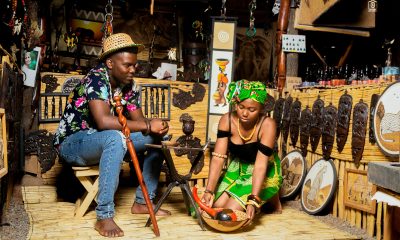
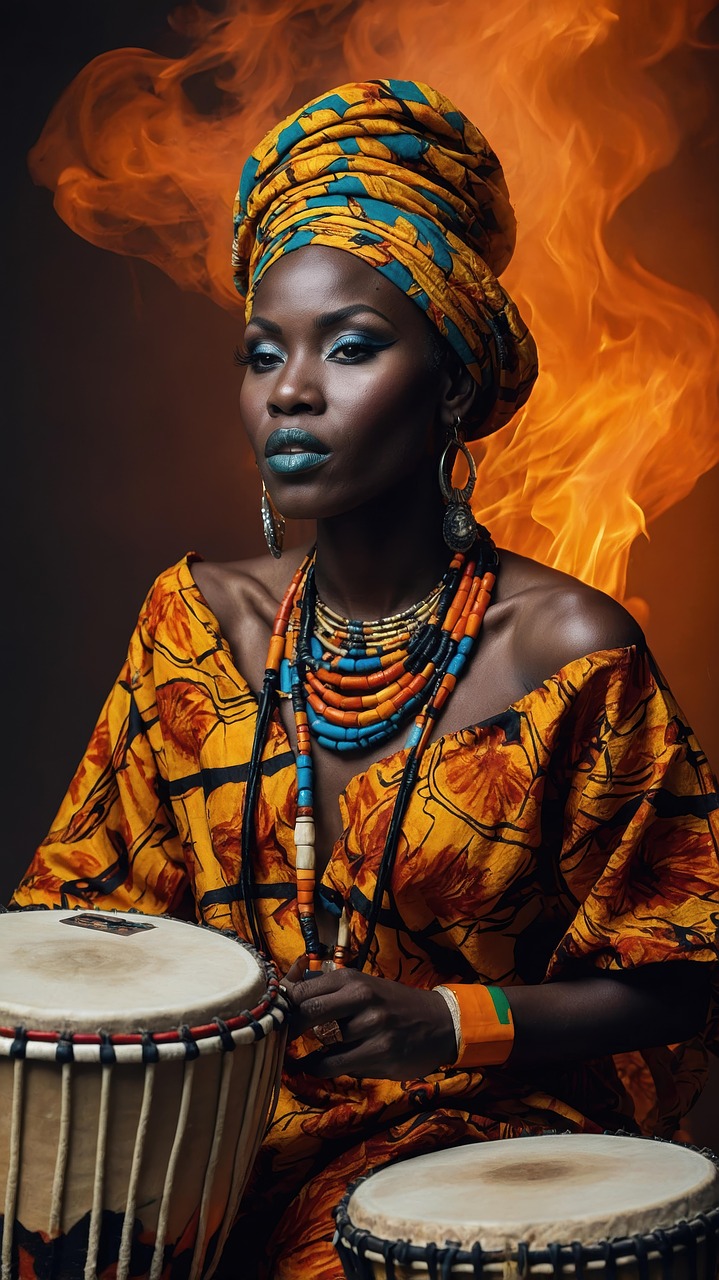
She sits proudly beside an African drum, her hands resting gently upon an instrument that has echoed through villages, kingdoms, and generations. For centuries, the drum has carried Africa’s heartbeat. Today, with women increasingly embracing traditional percussion, it tells a new story—one of inclusion, cultural continuity, and the evolving role of women in preserving Africa’s musical heritage.

Published

on

african woman, woman on fire, black women drumming, djembe drum, african head scarf, portrait, woman, scarf, african, model, cute, people
Photo: Shutterstock

Few symbols are as deeply connected to Africa as the drum. Long before written records preserved history, the sound of drums carried messages across forests, welcomed visitors, celebrated harvests, honoured ancestors, marked royal ceremonies, and accompanied weddings, festivals, and community gatherings. The drum has always been more than a musical instrument—it is the heartbeat of African civilisation.

In the photograph, an African woman sits confidently beside a traditional drum. Her presence immediately challenges expectations. In many African societies, particularly in earlier generations, drumming was often regarded as the responsibility of men. Men traditionally served as master drummers during ceremonies, cultural festivals, and religious celebrations, while women frequently expressed musical talent through singing, dancing, clapping, and other forms of artistic participation.

Today, however, the story is changing.

Across Africa, more women are learning traditional drumming, performing on international stages, teaching music in schools, preserving indigenous rhythms, and inspiring younger generations to embrace their cultural heritage. The image of a woman with a drum therefore represents both continuity and progress. It demonstrates that tradition is not static but capable of evolving while remaining rooted in its cultural foundations.

The drum itself is one of Africa’s oldest instruments. Crafted from carefully selected wood and animal hide, each drum is designed to produce a unique sound. Different communities have developed distinctive drumming traditions, rhythms, and performance styles that reflect their languages, ceremonies, and histories. In many cultures, experienced drummers are regarded not only as musicians but also as historians, storytellers, and custodians of communal memory.

Music has always been central to African life. It accompanies births, initiations, marriages, harvest celebrations, religious ceremonies, community meetings, and national commemorations. Through rhythm and song, African societies have preserved history, expressed joy and sorrow, strengthened social bonds, and passed values from one generation to another.

The woman seated with the drum reminds us that African culture belongs to everyone. While acknowledging that men have historically dominated many drumming traditions, the growing participation of women enriches rather than diminishes this heritage. Their involvement broadens opportunities for cultural preservation while encouraging younger girls to see themselves as active participants in Africa’s artistic future.

Migration has carried African music far beyond the continent.

From jazz and blues to samba, reggae, Afrobeat, Afrobeats, gospel, salsa, hip-hop, and countless other musical traditions, African rhythms have profoundly shaped global music. As Africans migrated across continents—sometimes voluntarily and, tragically, sometimes through forced displacement during the transatlantic slave trade—they carried with them rhythms, melodies, and musical traditions that became the foundation of many of the world’s most influential genres.

Today, African musicians continue to captivate global audiences. Female percussionists, singers, composers, and producers are contributing to this remarkable cultural exchange, proving that African music thrives through diversity, creativity, and collaboration.

The drum also symbolises communication. Before telephones and modern technology, drums were used in some societies to signal important events, announce ceremonies, or communicate across long distances. Their rhythms united communities, creating a shared sense of identity and belonging. In many ways, music continues to perform that role today, connecting people across languages, cultures, and national borders.

The world has much to learn from this image.

The first lesson is that culture grows stronger when it includes everyone. Preserving tradition does not require excluding women or limiting participation. Instead, cultural heritage flourishes when each generation contributes its talents while respecting the wisdom of those who came before.

The second lesson is that diversity strengthens creativity. When women and men both participate in preserving musical traditions, new perspectives emerge, enriching artistic expression without erasing history.

The third lesson is that music is one of migration’s greatest gifts. Every rhythm that crosses a border carries a story of people, place, and identity. African music demonstrates how migration can connect cultures, inspire innovation, and build mutual understanding across the world.

Finally, the drum reminds us that every society needs people who preserve its memory. Whether played by a man or a woman, the drum continues to tell Africa’s story—one beat at a time.

Reframing Africa’s migration story means recognising that migrants carry more than skills and knowledge. They carry songs, rhythms, dances, languages, and traditions that enrich the communities they join. African music has become one of the continent’s most powerful ambassadors, uniting audiences across continents while celebrating the richness of African identity.

The woman seated beside the drum is therefore more than a musician. She represents a generation that honours the past while embracing the future. She demonstrates that preserving culture is a shared responsibility and that talent knows no gender.

Every beat carries history. Every rhythm builds community. Every performance keeps a tradition alive.

Africa’s migration story is also a musical story. Wherever Africans travel, the rhythm of the drum travels with them—bringing people together, celebrating diversity, and reminding the world that the heartbeat of Africa belongs to all who are willing to listen.

Continue Reading
Click to comment

Leave a Reply

Your email address will not be published. Required fields are marked *

Politics

Faith on the Move: Migration and the Shaping of Africa’s Future

Migration has always carried more than people across borders—it carries faith, culture, identity, and hope. Across Africa, Islam has travelled with merchants, scholars, pilgrims, and migrants for centuries, shaping communities while adapting to new realities. Understanding the relationship between migration and religion reveals that human mobility is not only an economic or political phenomenon but also a profoundly spiritual journey that continues to redefine Africa and its place in the world.
Published

on

By

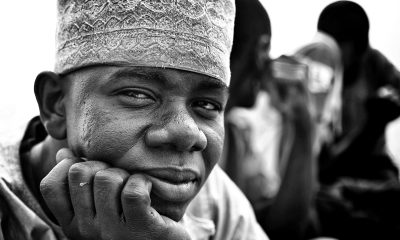
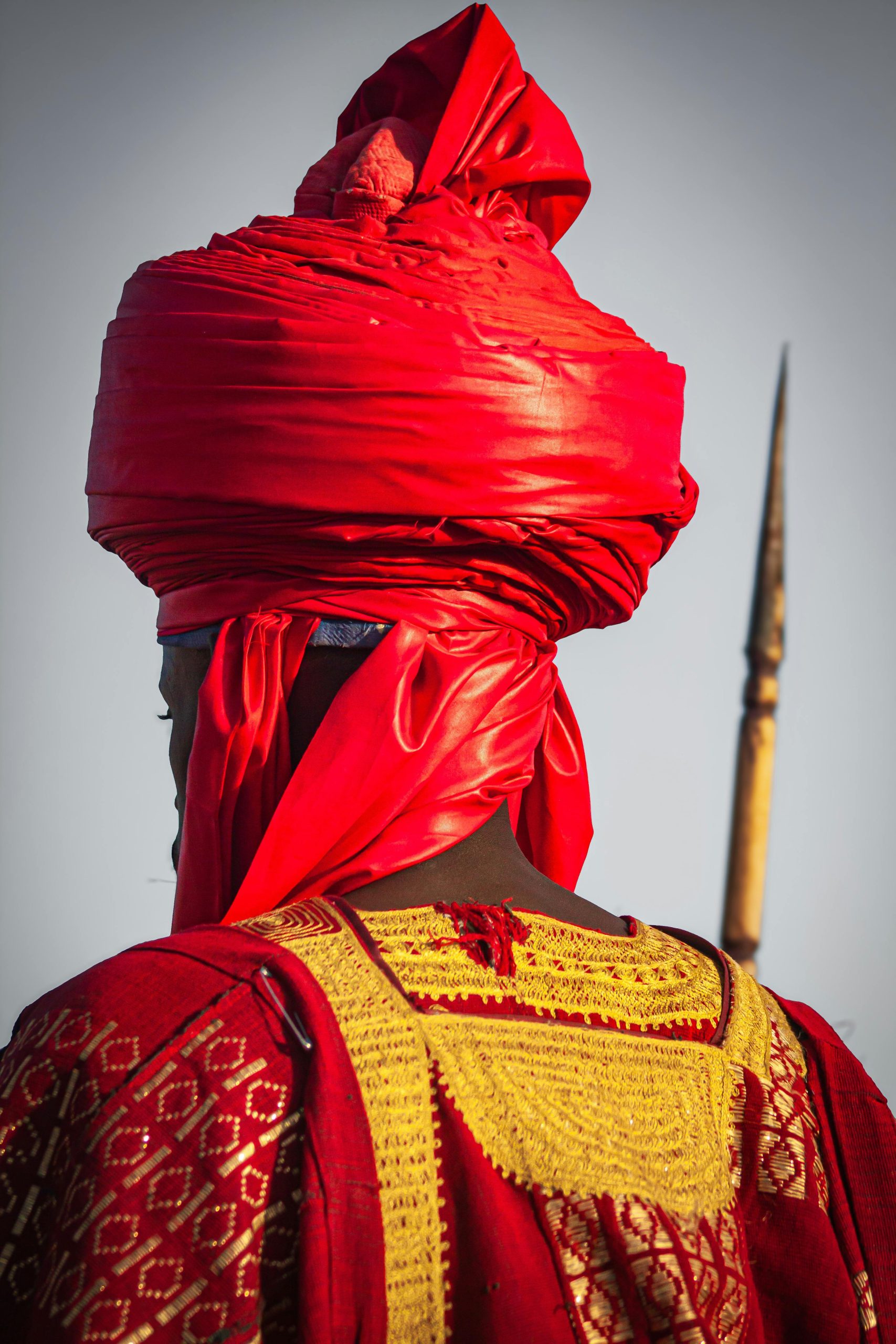
Man in traditional African attire with a striking red turban, symbolizing cultural heritage.
Photo: Shutterstock

Faith on the Move: Migration and the Shaping of Africa’s Future

Migration and religion have been inseparable throughout human history. Long before the establishment of modern nation-states, people moved in search of safety, opportunity, trade, education, and spiritual fulfilment. As they travelled, they carried more than their possessions—they carried their beliefs, traditions, languages, and values. In Africa, few religions illustrate this relationship more clearly than Islam, whose growth across the continent has been closely intertwined with centuries of migration and mobility.

Contrary to common assumptions, Islam did not spread throughout much of Africa primarily through conquest. Instead, its expansion was largely facilitated by the movement of merchants, scholars, pilgrims, and travelling communities. Beginning in the seventh century, Muslim traders crossed the Sahara Desert, linking North Africa with the kingdoms of West Africa through flourishing trans-Saharan trade routes. Along the eastern coast, Arab and Persian merchants established commercial and cultural connections with local communities, contributing to the development of the Swahili civilisation. These interactions fostered not only economic exchange but also the gradual spread of Islamic beliefs, education, architecture, and systems of governance.

Migration became a bridge between cultures. Islamic learning centres such as Timbuktu, Kano, Agadez, and Zanzibar emerged as important destinations for scholars and students from across Africa and beyond. These centres demonstrate that migration has historically been a vehicle for knowledge transfer and intellectual development rather than merely a response to hardship.

Today, migration continues to shape the religious landscape of Africa. Internal migration from rural villages to rapidly growing cities has transformed urban religious life. Mosques are established in expanding neighbourhoods, Islamic schools serve new communities, and faith-based organisations provide education, healthcare, humanitarian assistance, and social support to migrants adapting to unfamiliar environments. Religion often becomes a source of identity, stability, and community for people navigating the uncertainties of migration.

International migration has similarly extended Africa’s Islamic traditions beyond the continent. African Muslims living in Europe, North America, the Middle East, and Asia contribute to increasingly diverse Muslim communities while maintaining strong ties with their countries of origin through remittances, charitable giving, educational initiatives, and cultural exchange. These transnational connections illustrate how migration strengthens rather than weakens many religious communities.

At the same time, migration presents significant challenges. In many societies, Muslim migrants encounter discrimination, prejudice, restrictive immigration policies, and stereotypes that conflate religious identity with security concerns or extremism. Such portrayals overlook the overwhelming majority of African Muslims who migrate peacefully in pursuit of education, employment, entrepreneurship, family reunification, or refuge from conflict. They also obscure the many positive contributions Muslim migrants make to their host societies in fields such as medicine, education, engineering, business, public service, and academia.

Within Africa itself, migration has also been shaped by conflict and displacement in regions affected by political instability, violent extremism, and climate change. Millions have been forced to move across borders or within their own countries. Faith-based organisations, including many Islamic humanitarian institutions, frequently play essential roles in providing food, shelter, healthcare, education, and psychosocial support to displaced populations. Their work highlights the important contribution of religious institutions to humanitarian responses across the continent.

Religion, however, should not be viewed solely as a response to migration. It also shapes migrants’ decisions, resilience, and aspirations. For many African Muslims, faith provides ethical guidance, emotional strength, and a sense of belonging throughout the migration journey. Mosques often become spaces where newcomers find friendship, employment opportunities, legal advice, and practical support, easing integration into new communities while preserving cultural identity.

The relationship between Islam and migration in Africa therefore challenges simplistic narratives that portray migration only through the lenses of crisis, border control, or security. It reminds us that migration is also about the circulation of ideas, education, commerce, compassion, and spiritual traditions. The movement of people has enriched African societies for centuries and continues to connect the continent to an increasingly interconnected world.

Reframing Africa’s migration story requires acknowledging this deeper historical reality. Migration is not merely the movement of labour or populations; it is the movement of civilisation itself. Through migration, Islam has contributed to Africa’s intellectual traditions, commercial networks, artistic heritage, and social institutions, while African Muslims have enriched communities far beyond the continent’s borders.

As Africa continues to experience rapid demographic growth, urbanisation, and increasing mobility, the intersection of migration and religion will remain central to understanding the continent’s future. By recognising the historical and contemporary contributions of faith communities—particularly Islam—we move beyond stereotypes and towards a more balanced understanding of migration as a force for resilience, dialogue, cultural exchange, and human development.

In the end, every migrant carries more than luggage. They carry beliefs, memories, traditions, and hope. Their journeys remind us that migration is not only about crossing borders—it is also about carrying faith across generations, communities, and continents.

Continue Reading

Politics

The Basket She Carries

She carries more than a basket. She carries generations of heritage, the weight of economic realities, and the hope of a better future. Through her story, we begin to reframe Africa’s migration story—from one defined by hardship to one shaped by resilience, dignity, and possibility.
Published

on

By

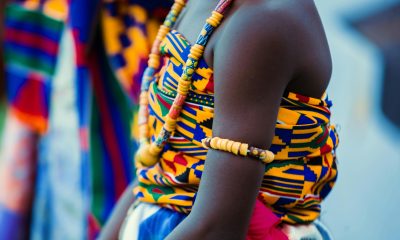
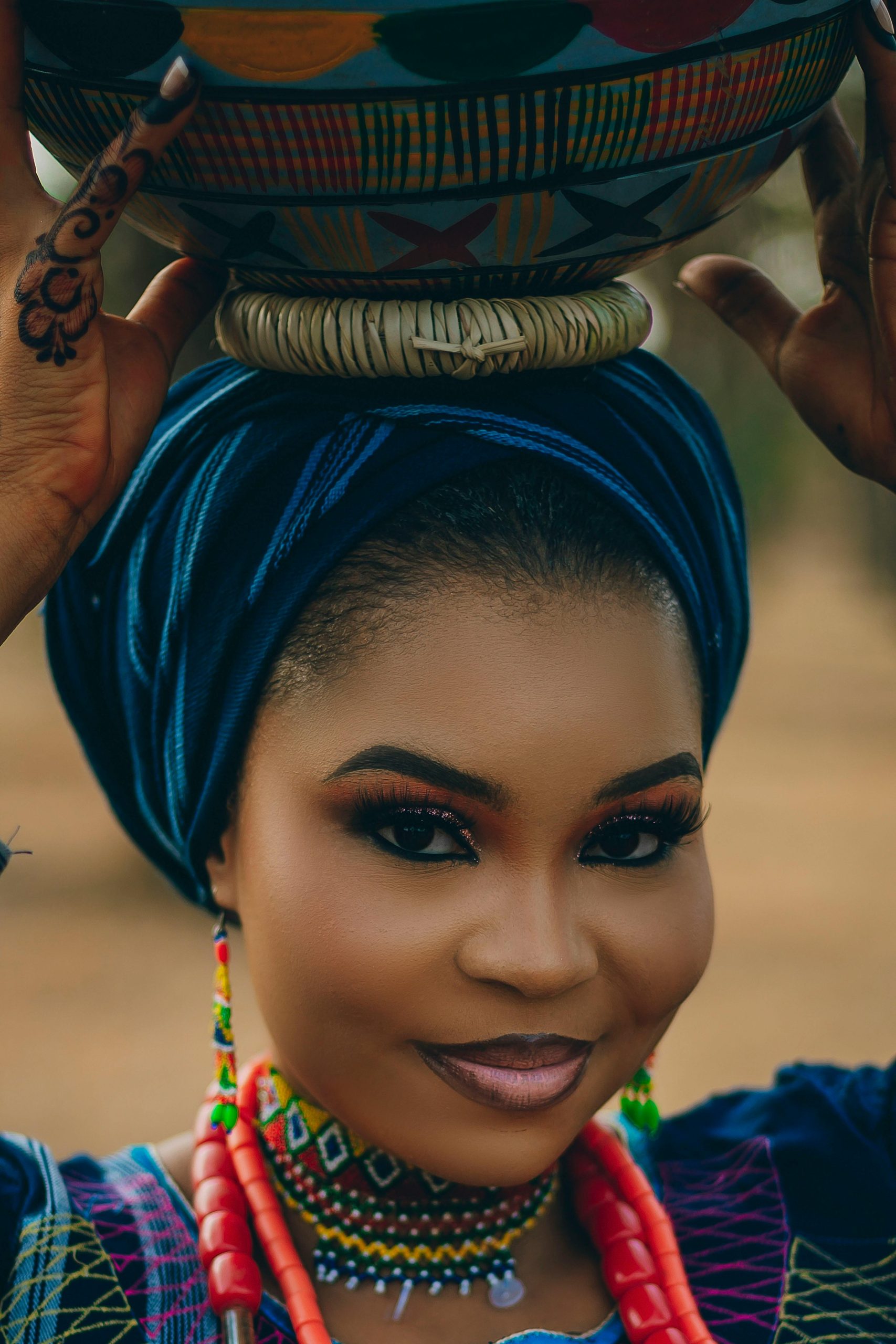
Portrait of a woman in vibrant traditional Nigerian attire balancing a pot on her head.
Photo: Shutterstock

The Basket She Carries

She walks with quiet confidence along a dusty village path. Around her neck rests a string of colourful beads—red, blue, white, and amber—each one carrying a story of ancestry, identity, and belonging. Balanced gracefully on her head is a woven basket, handcrafted by generations before her. To an unfamiliar observer, she may seem like a symbol of Africa’s past. In reality, she represents Africa’s present—and its future.

The basket she carries is more than a container. It holds the harvest of her labour, the hopes of her family, and the resilience of her community. Like millions of African women, she rises before dawn, tending fields, running small businesses, caring for children, and sustaining local economies. Across the continent, women remain the backbone of agriculture, informal trade, and family life, often contributing significantly to household incomes while facing limited access to land, finance, healthcare, education, and decision-making opportunities.

The beads around her neck tell another story. In many African cultures, beads signify identity, heritage, womanhood, and community. They are reminders that Africa possesses rich histories and vibrant cultures that have endured despite centuries of colonialism, conflict, and economic hardship. Yet these symbols of identity also travel far beyond the continent. African migrants carry their cultures with them—not only in beads and baskets, but in languages, music, cuisine, traditions, and values that enrich societies around the world.

For many, however, migration is not simply a choice; it is shaped by circumstance. Economic inequality, unemployment, climate change, political instability, insecurity, and limited opportunities compel many Africans to seek livelihoods elsewhere. The woman carrying the basket could easily become tomorrow’s migrant—crossing borders not because she wishes to abandon her home, but because she seeks education for her children, security for her family, or dignified work.

Too often, global conversations portray African migration through the narrow lenses of crisis, irregular movement, or humanitarian emergencies. Such narratives overlook the millions of African migrants who contribute positively to host societies as entrepreneurs, healthcare workers, academics, innovators, students, artists, and skilled professionals. They also overlook the families and communities left behind, whose lives are sustained through remittances, knowledge exchange, investment, and enduring social ties.

The basket, therefore, becomes a powerful metaphor. It represents the burdens that many Africans carry, but also the opportunities they create. It reminds us that migration is not merely the movement of people across borders; it is the movement of skills, ideas, cultures, aspirations, and hope. Migration can be both a response to structural challenges and a catalyst for development when supported by sound policies and inclusive institutions.

The woman with the beads and the basket invites us to see Africa differently. She is neither a victim nor a stereotype. She is a farmer, an entrepreneur, a mother, a cultural ambassador, and perhaps a future migrant whose journey will connect villages to cities and continents to one another. Her story reflects the complexity of African migration—deeply rooted in place, yet open to the world.

To reframe Africa’s migration story is to begin with her. It is to recognise that behind every migration statistic is a human being carrying not only a basket of necessities but also a lifetime of dreams, resilience, identity, and possibility. In understanding her journey, we begin to understand Africa itself: a continent whose greatest resource is not simply what it exports, but the people who carry its stories wherever they go.

Continue Reading

Politics

Hands That Built a Future: Ageing, Memory, and Africa’s Migration Story

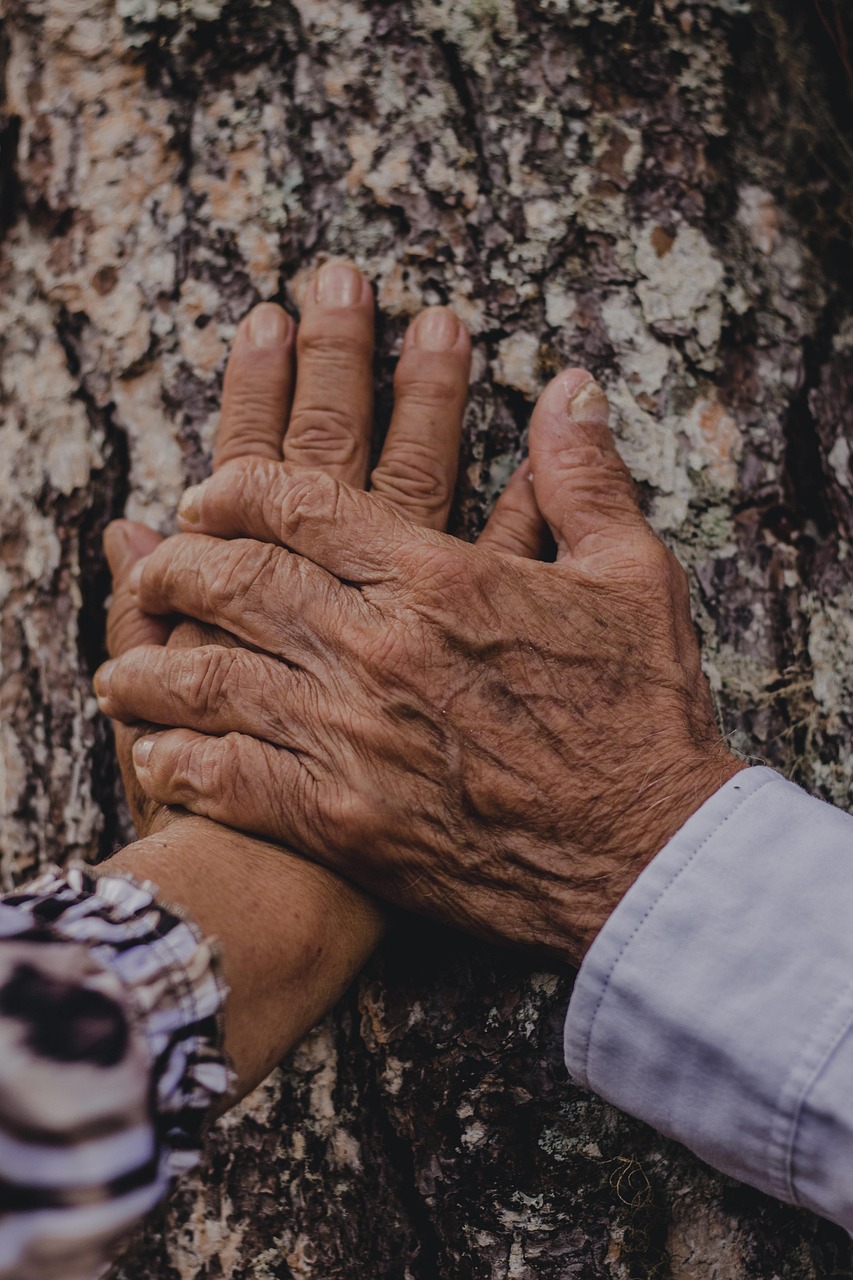
Two weathered hands, marked by wrinkles and the passage of time, tell a story no words can fully capture. They are the hands that planted fields, raised children, built homes, and nurtured communities. As Africa’s younger generations migrate in search of opportunity, these hands remind us that every journey forward is built upon the sacrifices of those who stayed behind.
Published

on

By

hand, texture, love, couple, romance, history, romantic, love, love, love, love, love
Photo: Shutterstock

A photograph of two elderly hands resting gently together is one of the most powerful images of the human experience. The wrinkles etched into the skin are not merely signs of ageing; they are records of a lifetime. Every line speaks of years spent working the land, preparing meals, raising children, comforting loved ones, and contributing to the life of a family and a community.

In Africa, old age has traditionally been associated with wisdom, honour, and respect. Elders have long served as custodians of history, culture, language, and tradition. They preserve oral histories, settle disputes, teach values, and pass knowledge from one generation to the next. Their hands have shaped not only families but entire communities.

The hands in the photograph tell a story of labour. They may have planted crops under the hot sun, woven baskets, repaired fishing nets, built homes from mud and timber, cared for livestock, or traded in local markets. They are hands that have worked not for recognition but for survival and the hope of giving the next generation a better life.

These hands also tell the story of migration.

Across Africa, millions of young people leave villages and towns for cities or foreign countries in search of education, employment, business opportunities, and security. They depart carrying dreams for themselves and their families. Yet every departure also leaves someone behind—a mother, a father, a grandparent, or an ageing relative whose life continues in the place called home.

Migration therefore creates two journeys. One belongs to those who leave. The other belongs to those who remain.

For many older parents, migration is a source of both pride and longing. They celebrate the achievements of children who become doctors, teachers, engineers, entrepreneurs, academics, and skilled professionals abroad. At the same time, they often miss the simple joys of everyday companionship—the shared meal, the family gathering, the laughter of grandchildren, or the comforting presence of loved ones.

The wrinkles on elderly hands remind us that time does not stand still. While migrants build careers and lives elsewhere, parents and grandparents continue to age. Many families experience the emotional challenge of caring across borders, relying on phone calls, video conversations, and occasional visits to maintain close relationships despite the distance.

Yet migration also tells a story of gratitude. Across Africa, remittances sent home by migrants help pay medical bills, improve housing, support farming activities, educate younger siblings, and provide financial security for ageing parents. In many communities, migration has become a means through which adult children honour the sacrifices made by previous generations.

The image of two ageing hands also teaches an important lesson about intergenerational responsibility. Development is not measured only by economic growth or technological advancement. It is also measured by how societies care for their elderly. As African populations gradually age, governments, communities, and families face growing responsibilities to ensure that older people live with dignity, healthcare, financial security, and social inclusion.

There is another message hidden within these hands. They remind us that migration is not solely about movement across borders. It is also about the transfer of values. The resilience, discipline, generosity, and work ethic that many migrants carry into new societies were often first learned from parents and grandparents. The older generation continues to shape the future long after their working years have ended.

The photograph also challenges us to rethink success. A successful migrant is not only someone who builds a prosperous career abroad but also someone who remains connected to family, culture, and community. Migration should strengthen relationships rather than weaken them. Technology, regular visits, financial support, and emotional connection all help preserve the bonds between generations.

Reframing Africa’s migration story means recognising the people who are rarely visible in migration statistics. Behind every graduate studying overseas, every entrepreneur opening a business abroad, and every professional working in another country are ageing hands that once held theirs while teaching them to walk, to work, and to dream.

Those hands may now move more slowly, but their influence remains immeasurable. They are the foundation upon which every new journey is built.

Every wrinkle tells the story of sacrifice. Every scar reflects perseverance. Every gentle touch carries decades of love, wisdom, and resilience.

Continue Reading

Trending

Copyright © 2026 Mygration Magazine is a multidimensional publishing and knowledge platform documenting African migrant excellence globally.