Connect with us

Essays

The Young of Monkeys: Lessons for African Migration and Human Adaptation

The lives of young monkeys offer a powerful reflection on African migration, revealing how movement, learning, and survival are shaped by strong social bonds, adaptability, and the continuous search for safety and belonging


Published

on

ape, mandrill, africa, baboon, animal, wildlife, botswana, safari, south africa, nature, mammal, primate
Photo: Shutterstock

In the forests, savannas, and mountain regions of Africa, young monkeys grow within highly social and mobile communities. Their lives are shaped by constant movement, close family bonds, and the need to adapt quickly to changing environments. Observing the behaviour of monkey offspring offers surprising insights into the broader dynamics of migration, survival, and community in the African context.

From an early age, young monkeys learn by watching and following the group. They do not navigate the world alone; instead, they depend on collective movement for safety, food, and learning. This reflects an important parallel with human migration, where individuals and families often move together or rely on social networks to survive transitions across regions and borders. Migration, like primate movement, is rarely an isolated act—it is embedded in relationships, trust, and shared responsibility.

Another striking feature is adaptability. Young monkeys quickly adjust to new terrains, shifting food sources, and social hierarchies within their troop. Similarly, migrants in Africa and beyond must often adapt to unfamiliar cities, languages, labour markets, and cultural systems. The ability to learn, adjust, and persist becomes essential for survival and integration. In both cases, flexibility is not optional; it is a condition of life.

The social structure of monkey communities also highlights the importance of protection and mentorship. Older members guide and safeguard the young, ensuring that knowledge of the environment is transmitted across generations. This mirrors the role of families, diaspora networks, and community organisations in human migration, where support systems help newcomers navigate uncertainty and build stability in new places.

Yet, the existence of young monkeys in constant movement also reminds us that migration is not always about distance but about continuity. Even when groups shift locations, they maintain identity, cohesion, and memory. For African migration studies, this challenges narrow views of migration as rupture. Instead, it encourages us to see mobility as a form of continuity—where culture, identity, and belonging travel with people.

From the lives of monkey offspring, we learn that survival depends on connection, learning, and adaptability. These lessons extend into human migration, where movement across spaces is shaped not only by necessity but also by the enduring strength of social bonds and the ability to thrive in change.

In this way, the young of monkeys become more than a natural phenomenon—they become a mirror reflecting the dynamics of African mobility, reminding us that migration is deeply rooted in the principles of community, resilience, and shared survival.

Continue Reading
Click to comment

Leave a Reply

Your email address will not be published. Required fields are marked *

Essays

Wings Across Borders: Migration, Resilience, and the Search for Belonging

Like birds crossing borders without barriers, migration reflects humanity’s enduring search for safety, opportunity, and belonging
Published

on

By

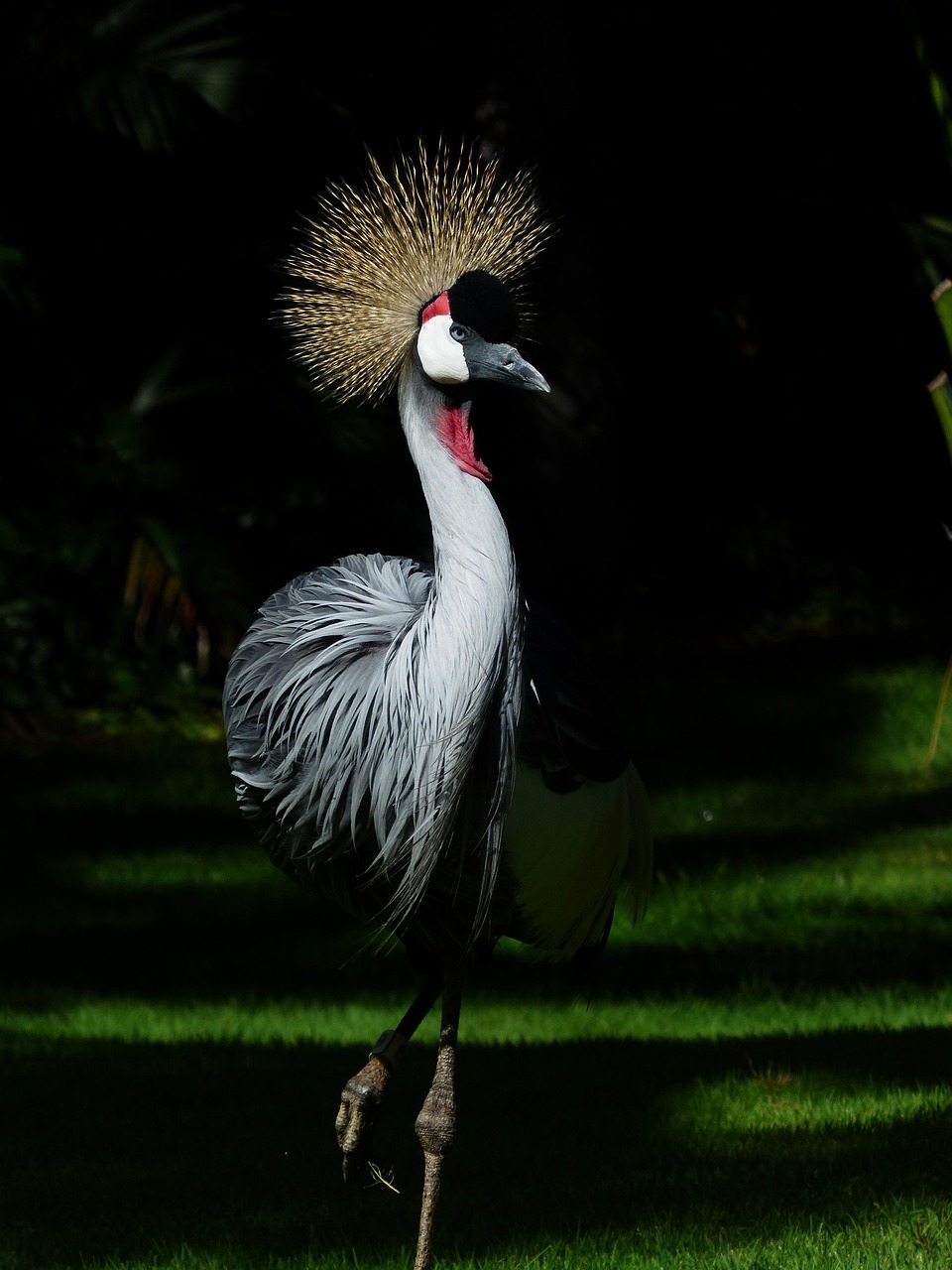
grey crowned crane, bird, animal, crane, african crowned crane, golden crested crane, golden-crowned crane, east african crane, east african crowned crane, eastern crowned crane, south african crane, balearica regulorum, gruidae, wildlife, feathers, plumage, fauna, wilderness, nature, birdwatching, portrait, bird, crane, crane, crane, crane, crane
Photo: Shutterstock

Birds have long symbolised freedom, movement, and resilience. Across continents, they travel vast distances in search of food, safety, and suitable environments for survival. Their journeys remind us that movement is a natural part of life and an essential strategy for adaptation and growth.

Human migration shares many of these characteristics. Across Africa and the world, people move for diverse reasons, including education, employment, family reunification, security, and new opportunities. Like birds navigating changing seasons, migrants often face challenges and uncertainties, yet they continue to contribute to the social, cultural, and economic development of both their countries of origin and destination.

The image of a bird in flight therefore represents more than mobility; it reflects hope, determination, and the pursuit of a better future. It reminds us that migration is not merely about crossing borders but about connecting communities, exchanging ideas, and building bridges across cultures.

\\\”At Mygration Magazine, we explore these journeys through research, policy discussions, lived experiences, and innovative solutions, helping to deepen understanding of migration’s role in shaping Africa’s present and future.\\\”

As Africa continues to experience rapid demographic, economic, and environmental change, migration will remain an important strategy for individuals and families seeking opportunities and security. Understanding these dynamics requires informed dialogue, evidence-based policies, and a commitment to social justice. Through thoughtful engagement with migration issues, we can create pathways that maximize the benefits of mobility while protecting the dignity and rights of all migrants.

Like birds whose flight paths connect distant places, migration connects people, communities, and nations. These connections remind us that our futures are increasingly intertwined and that mobility, when supported by inclusive policies and mutual understanding, can be a powerful force for development, cooperation, and shared prosperity.

Continue Reading

Essays

Across the Waters: Canoes, Courage, and Africa’s Migration Story

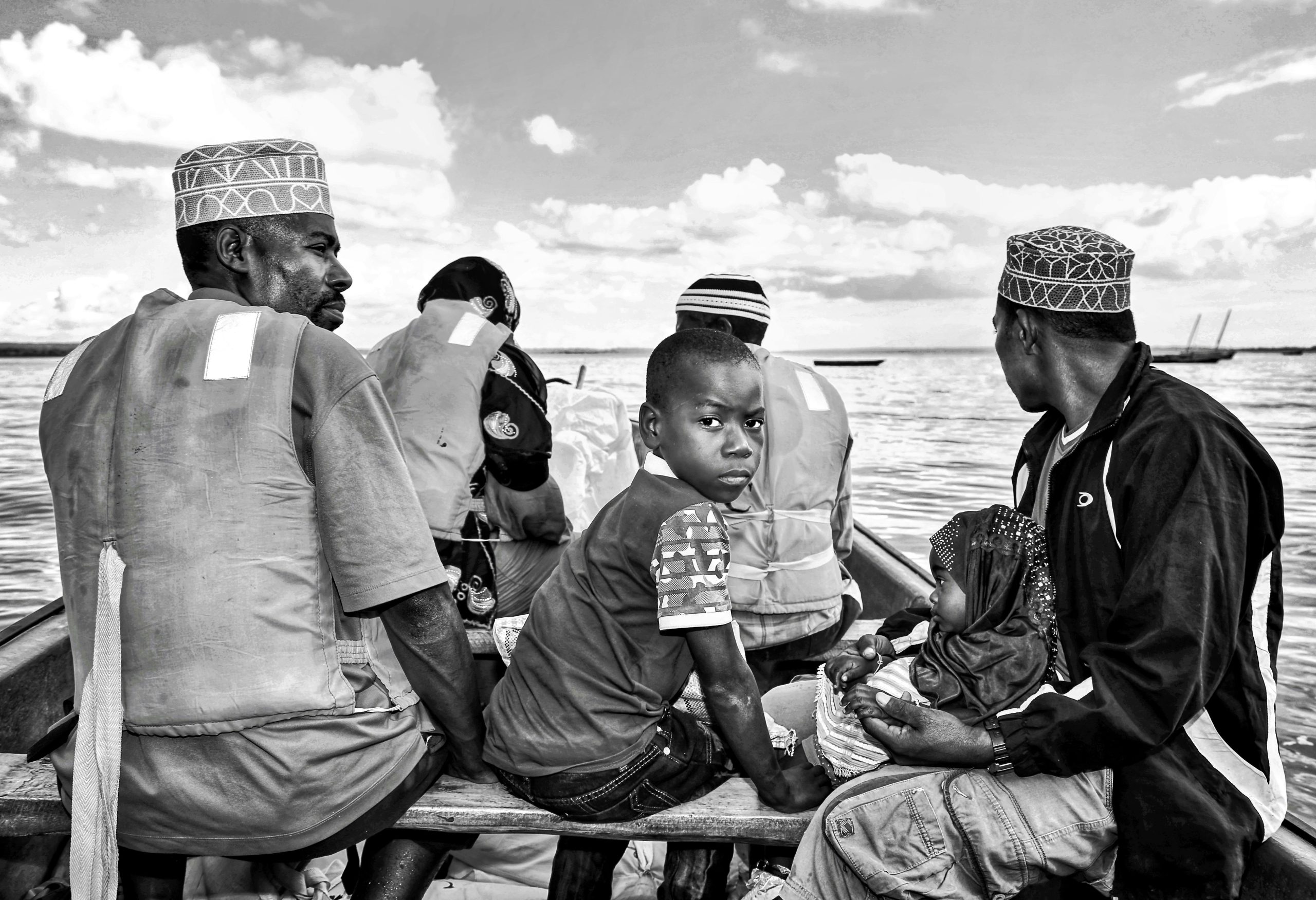
Long before roads, railways, and airports connected Africa, rivers, lakes, and coastlines served as the continent’s first highways. A canoe carrying young men across the water is more than a means of transport—it is a symbol of courage, survival, trade, and the enduring human desire to seek opportunity. Africa’s migration story has always been written not only on land, but also across its waters.
Published

on

By

Black and white photo of people on a boat in Zanzibar, Tanzania.
Photo: Shutterstock

A narrow wooden canoe glides silently across the water. Inside are young men, their paddles moving in rhythm as they navigate a river, lake, or coastal lagoon. To many, it is a simple scene of daily life. Yet beneath its simplicity lies a powerful story about Africa’s history, its people, and the enduring role of migration in shaping communities across the continent.

For thousands of years, water has connected rather than divided African societies. Before modern highways and bridges, rivers such as the Niger, Nile, Congo, and Zambezi, together with the great lakes and Atlantic and Indian Ocean coastlines, formed natural transportation networks. Canoes enabled people to travel, trade, fish, visit neighbouring communities, and establish settlements. Waterways became the lifelines of commerce and communication.

The canoe represents one of humanity’s earliest technologies. Carved from a single tree trunk or constructed from locally available materials, it reflects African ingenuity and adaptation to the natural environment. Communities living along rivers and coastlines developed sophisticated knowledge of currents, weather, tides, and navigation that allowed them to travel safely over long distances. These skills were passed from one generation to another, becoming an important part of cultural identity.

The image of young men paddling together also symbolises cooperation. A canoe rarely moves efficiently through the efforts of one individual. Each paddler contributes to the journey, relying on trust, coordination, and shared purpose. This spirit of collective effort reflects a broader African philosophy that communities thrive through mutual support rather than individual achievement alone.

Historically, waterways facilitated migration throughout Africa. Families moved in search of fertile land, fishermen followed seasonal waters, traders established new markets, and communities relocated in response to environmental change or conflict. These journeys connected distant cultures, encouraged the exchange of goods and ideas, and contributed to the growth of kingdoms and trading centres across the continent.

The canoe also tells a story of economic resilience. For countless communities, rivers and lakes remain sources of food, employment, and transportation. Fishing, agriculture, tourism, and local commerce continue to depend on waterways. The young men paddling across the water may be fishermen supplying local markets, traders transporting goods, students travelling to school, or workers commuting to neighbouring villages. Their journey reflects the everyday mobility that sustains local economies.

Migration, however, is not always driven by opportunity alone. Across Africa, changing climates, floods, droughts, declining fish stocks, and economic pressures have altered traditional livelihoods. Some young people leave their riverside communities to seek education or employment in cities, while others migrate across borders in search of new opportunities. The canoe therefore becomes a metaphor for transition—a passage from one stage of life to another.

At the same time, Africa’s waterways carry more difficult memories. Rivers and coastlines have witnessed both prosperity and tragedy, including the forced displacement of millions during the transatlantic slave trade. Acknowledging this history reminds us that movement across water has not always been voluntary. Yet it also underscores the resilience of African communities, whose descendants have preserved languages, traditions, music, and cultural identities across the globe.

Today, African migrants continue to navigate new journeys. While some travel by air or road, the motivations remain familiar: education, employment, entrepreneurship, family, safety, and hope for a better future. Their experiences remind us that migration has always been part of Africa’s story. It is neither an anomaly nor a crisis but a continuing expression of human aspiration and adaptation.

The canoe offers another lesson. It moves forward because those within it share a common direction. Likewise, successful migration depends on cooperation between migrants, communities, governments, and institutions. Policies that promote safe, orderly, and regular migration allow mobility to contribute to development while protecting the dignity and rights of those who move.

Reframing Africa’s migration story requires us to look beyond images of hardship and recognise the deeper history of movement on the continent. The canoe is not simply a vessel crossing water; it is a symbol of exploration, enterprise, resilience, and community. It reminds us that Africans have long been navigators—not only of rivers and lakes but also of changing social, economic, and cultural landscapes.

The young men paddling across the water carry more than nets or supplies. They carry ambition, responsibility, and the hopes of their families. Their journey reflects the determination that has defined African mobility for centuries—a determination to adapt, to connect, and to build a better future.

Every stroke of the paddle tells a story. Every crossing links communities. Every canoe reminds us that Africa has never stood still. Its history has always been one of movement, resilience, and discovery. To understand Africa’s migration story is to recognise that long before modern borders, its people were already crossing rivers, connecting cultures, and shaping the continent’s remarkable history.

Continue Reading

Essays

Where Waters Welcome Wings: Africa’s Natural Beauty and the Story of Migration

Across Africa’s rivers, lakes, wetlands, and coastlines, birds gather, rest, and continue their remarkable journeys across continents. These peaceful landscapes remind us that migration is one of nature’s oldest rhythms. In Africa, where people and wildlife have long moved with the seasons, the beauty of nature tells a deeper story of connection, resilience, and belonging.
Published

on

By

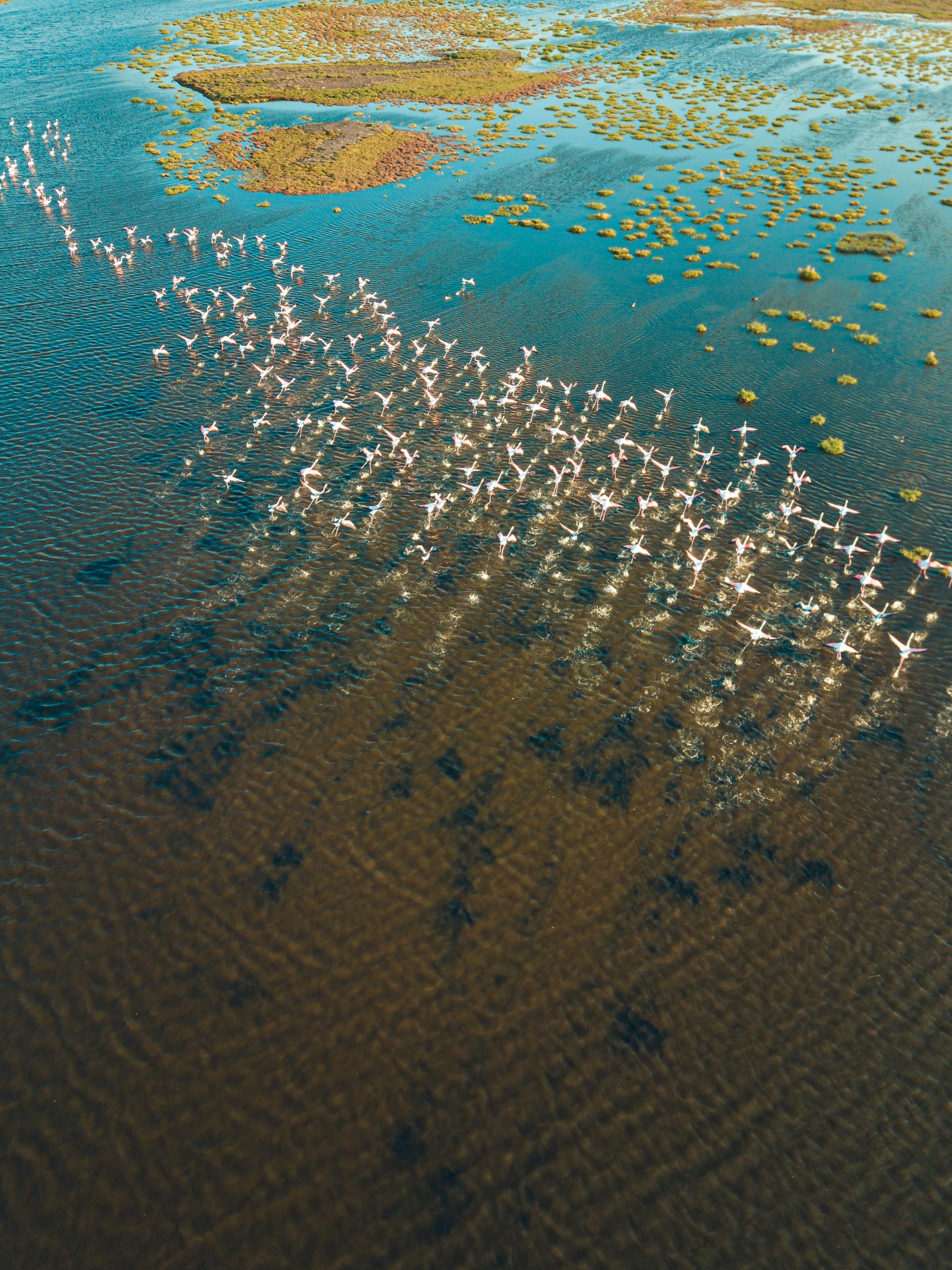
A breathtaking aerial shot of flamingos wading in the wetlands of Kayseri, Türkiye.
Photo: Shutterstock

As dawn breaks over an African wetland, the first rays of sunlight dance across the still water. Birds glide gracefully through the morning sky before settling along the shoreline. Some have travelled thousands of kilometres from Europe, Asia, or other parts of Africa, while others call these waters home throughout the year. Around them, fish ripple beneath the surface, reeds sway gently in the breeze, and trees provide shelter for countless forms of life. It is a scene of remarkable beauty—but it is also a story about migration.

Africa is home to some of the world’s most spectacular natural landscapes. From the Okavango Delta in Botswana and the wetlands of the Niger Delta to the shores of Lake Victoria and the Nile River, water has shaped ecosystems, civilizations, and human settlements for thousands of years. These landscapes sustain an extraordinary diversity of wildlife while supporting the livelihoods of millions of people.

Water is the lifeblood of migration. Every year, millions of birds migrate across continents, following seasonal changes in climate and food availability. Africa serves as both a destination and a refuge for many migratory species. Wetlands, rivers, lakes, and coastal estuaries provide places where birds can rest, feed, breed, and recover before continuing their journeys. These annual migrations remind us that movement is one of nature’s most enduring survival strategies.

The beauty of these landscapes also reflects Africa’s ecological richness. The continent contains vast forests, deserts, mountains, savannahs, rivers, and coastlines that together support an incredible variety of plants and animals. These natural environments are not isolated from human life; they are deeply woven into African cultures, economies, and histories. Communities have long depended on rivers for fishing, farming, transportation, trade, and spiritual traditions.

Nature teaches an important lesson about migration: movement is natural. Birds do not migrate because they reject their homes. They migrate because survival, growth, and renewal often require movement. When the seasons change, they adapt. When conditions improve, many return. Their journeys are cyclical, purposeful, and essential to the balance of ecosystems.

Human migration often follows similar patterns. Across Africa, people move in search of education, employment, security, family reunification, and better opportunities. Some migrate temporarily and return home with new skills and experiences. Others establish lives elsewhere while maintaining strong ties with their communities of origin. Like migratory birds, they remain connected to the places that first shaped them.

The gathering of birds around water also symbolises the importance of shared spaces. Wetlands and rivers welcome many species regardless of where they began their journeys. In much the same way, migration invites societies to become places of encounter where cultures, languages, and ideas meet. Diversity strengthens communities when it is embraced with openness and mutual respect.

Africa’s natural beauty also challenges prevailing narratives about the continent. Too often, global attention focuses on conflict, poverty, or humanitarian crises, overlooking Africa’s extraordinary landscapes and environmental heritage. Yet these ecosystems are among the world’s greatest natural treasures. They attract scientists, conservationists, photographers, tourists, and birdwatchers from around the globe, contributing to local economies and fostering international cooperation.

At the same time, these beautiful environments face growing pressures. Climate change, pollution, deforestation, wetland degradation, and unsustainable development threaten both wildlife and the communities that depend on healthy ecosystems. As water sources diminish or weather patterns become less predictable, people may also be compelled to migrate in search of more secure livelihoods. Protecting nature is therefore not only an environmental responsibility but also an investment in reducing displacement and strengthening resilience.

The image of birds resting peacefully beside African waters offers hope. It reminds us that migration is not solely a human challenge to be managed but a universal phenomenon that has shaped life on Earth for millennia. Nature demonstrates that movement, adaptation, and coexistence are essential elements of survival.

Reframing Africa’s migration story requires us to recognise these deeper connections. Migration is not only about borders and policies; it is also about landscapes that sustain life, communities that welcome newcomers, and environments that make journeys possible. The rivers, lakes, and wetlands of Africa have long connected people and wildlife, creating pathways of exchange rather than barriers of separation.

As birds rise once more into the sky, continuing journeys that span continents, they leave behind a powerful message. Movement can create connection. Diversity can strengthen communities. Home can be both a place of origin and a place of return.

Africa’s waters remind us that beauty lies not only in the landscape itself but in the lives it sustains. Every bird that lands on its shores, every river that nourishes a village, and every traveller who pauses beside its waters tells a story of hope, resilience, and renewal.

Continue Reading

Trending

Copyright © 2026 Mygration Magazine is a multidimensional publishing and knowledge platform documenting African migrant excellence globally.