
Essays
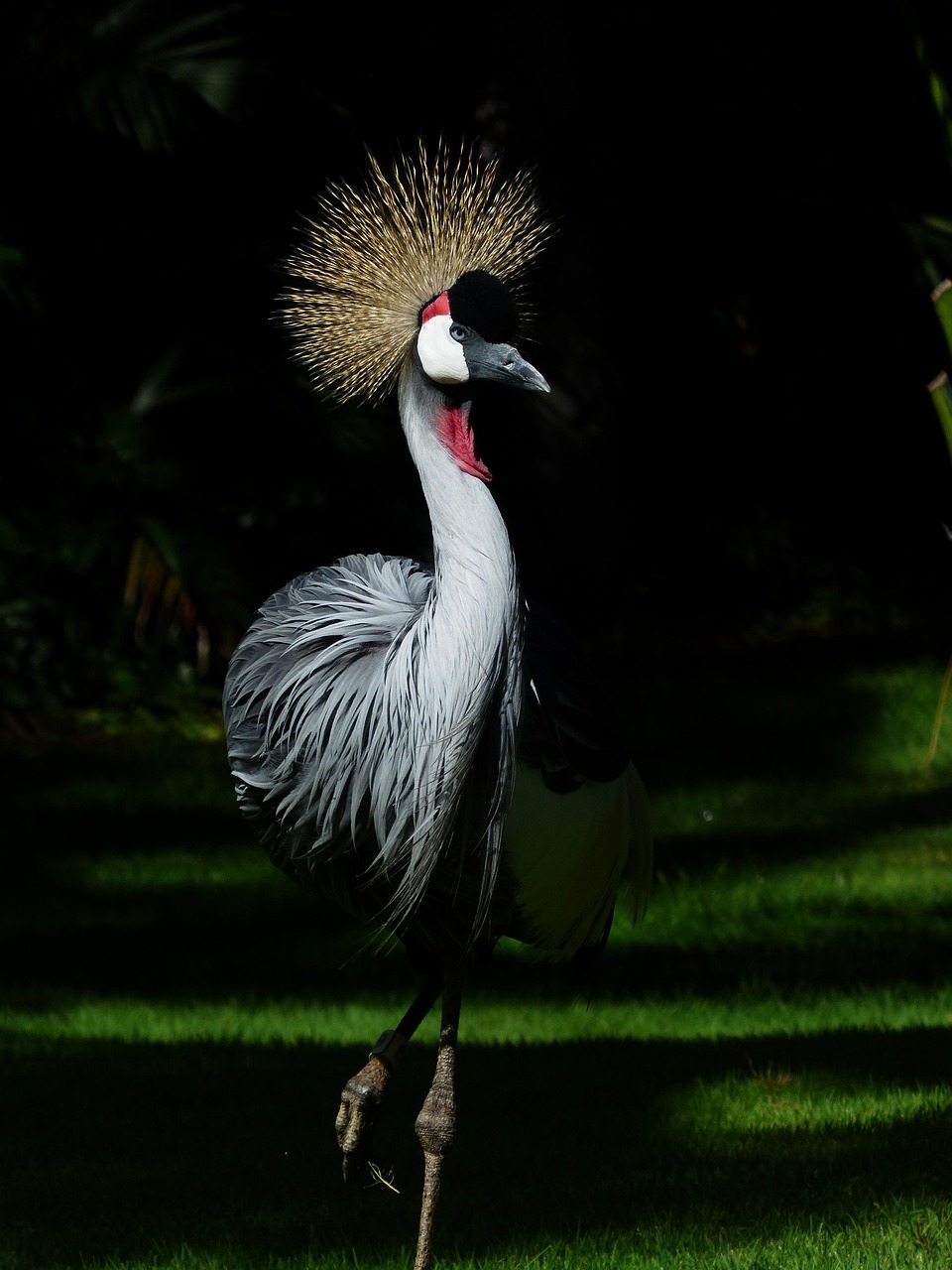
Wings Across Borders: Migration, Resilience, and the Search for Belonging
Like birds crossing borders without barriers, migration reflects humanity’s enduring search for safety, opportunity, and belonging


Essays
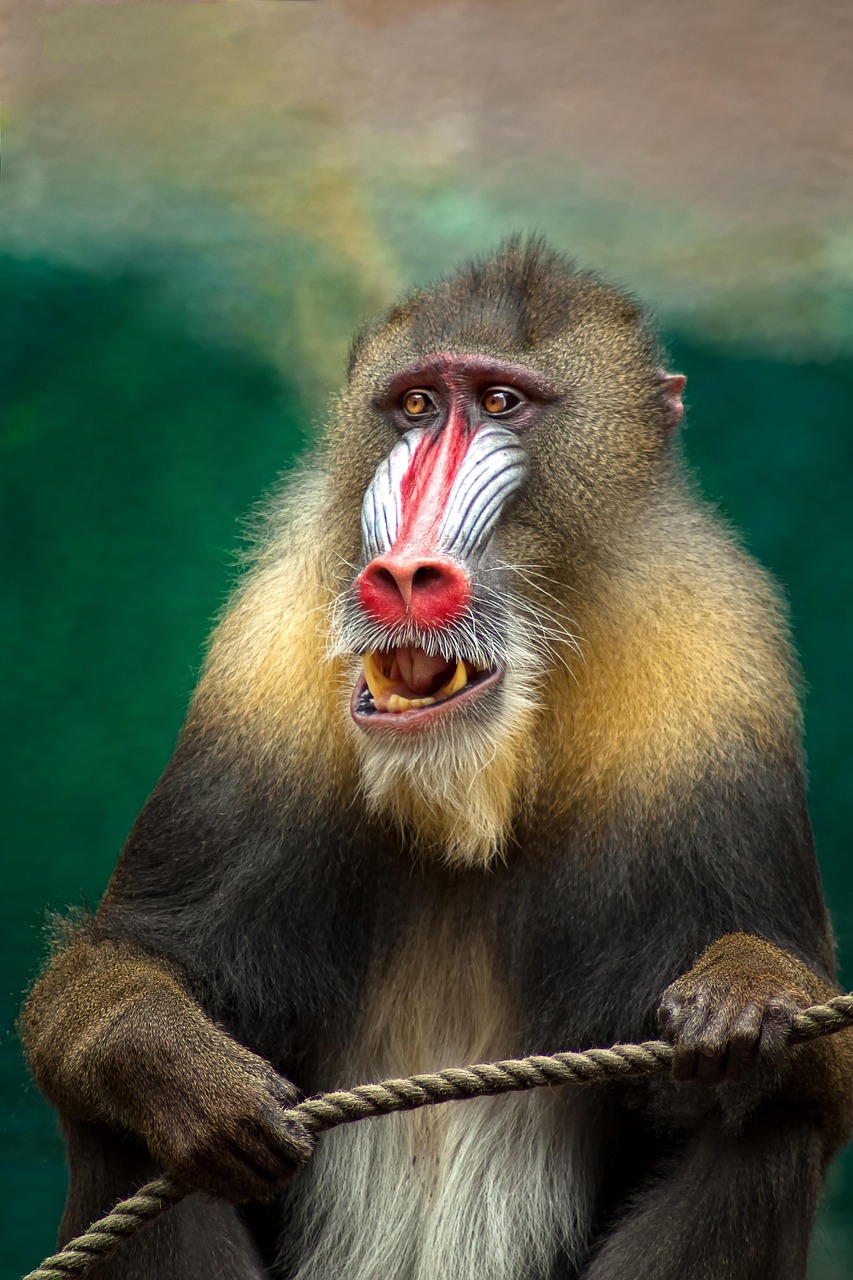
The Young of Monkeys: Lessons for African Migration and Human Adaptation
The lives of young monkeys offer a powerful reflection on African migration, revealing how movement, learning, and survival are shaped by strong social bonds, adaptability, and the continuous search for safety and belonging
Essays
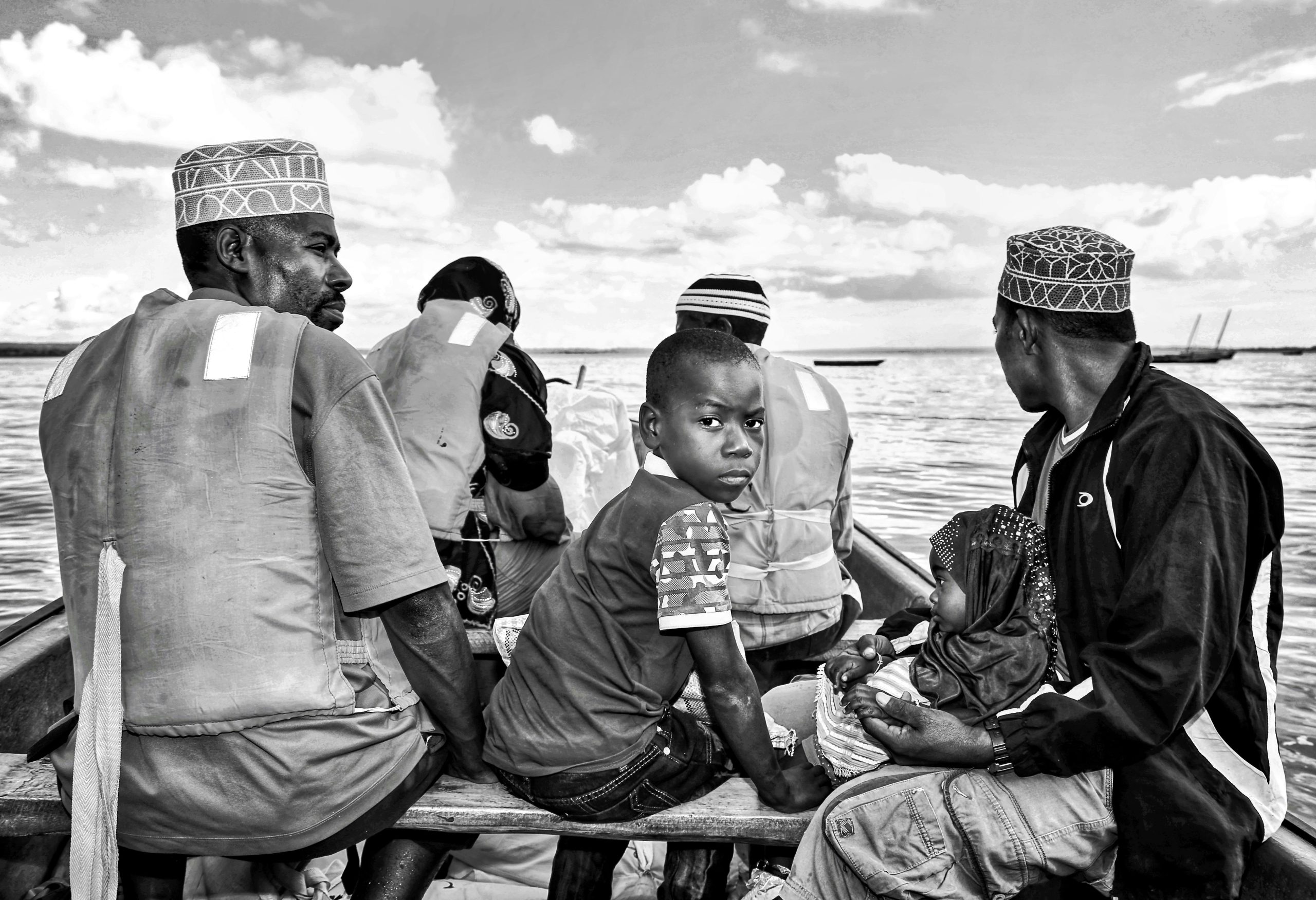
Across the Waters: Canoes, Courage, and Africa’s Migration Story
Long before roads, railways, and airports connected Africa, rivers, lakes, and coastlines served as the continent’s first highways. A canoe carrying young men across the water is more than a means of transport—it is a symbol of courage, survival, trade, and the enduring human desire to seek opportunity. Africa’s migration story has always been written not only on land, but also across its waters.
Essays
Where Waters Welcome Wings: Africa’s Natural Beauty and the Story of Migration
Across Africa’s rivers, lakes, wetlands, and coastlines, birds gather, rest, and continue their remarkable journeys across continents. These peaceful landscapes remind us that migration is one of nature’s oldest rhythms. In Africa, where people and wildlife have long moved with the seasons, the beauty of nature tells a deeper story of connection, resilience, and belonging.
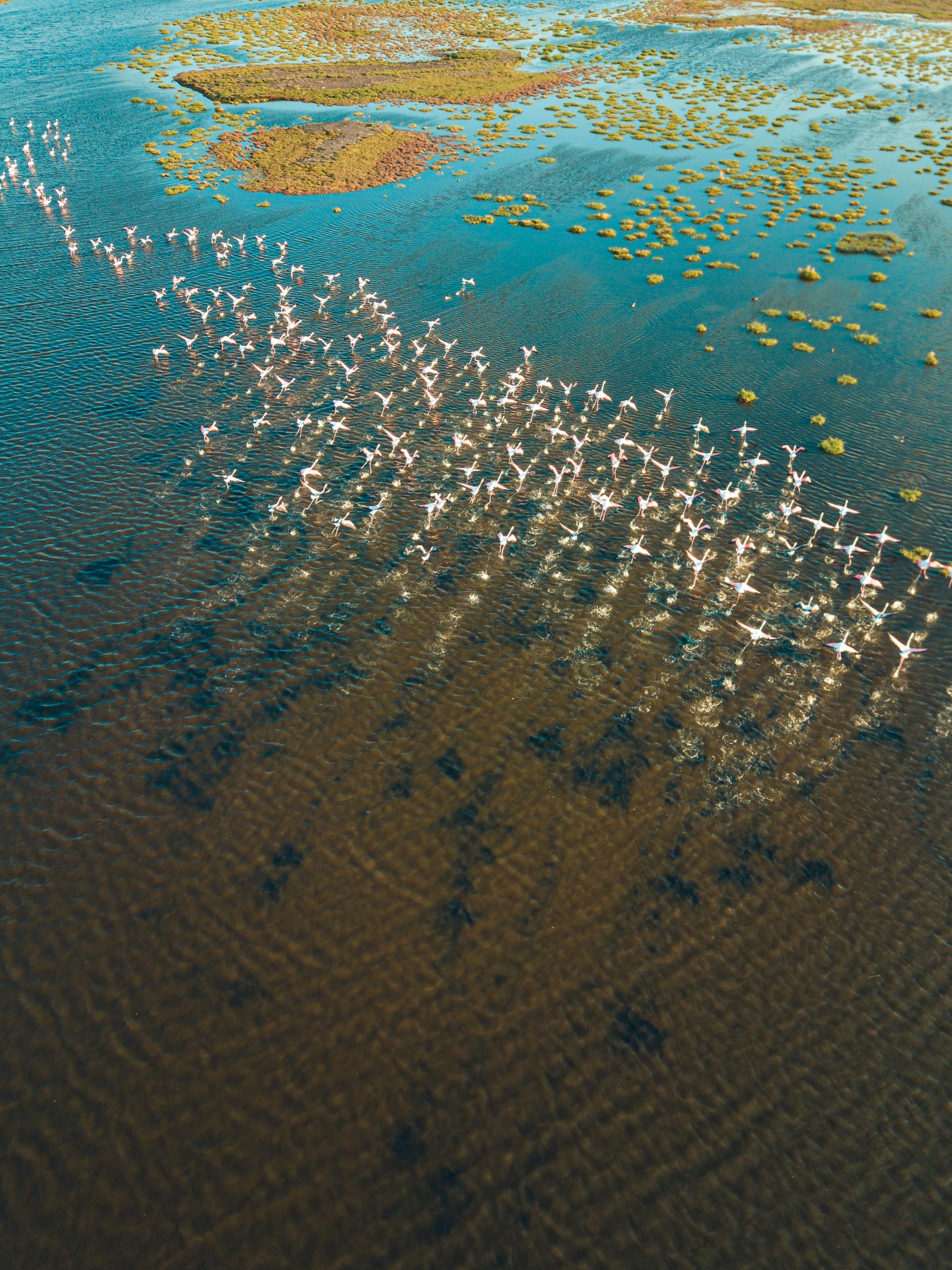
As dawn breaks over an African wetland, the first rays of sunlight dance across the still water. Birds glide gracefully through the morning sky before settling along the shoreline. Some have travelled thousands of kilometres from Europe, Asia, or other parts of Africa, while others call these waters home throughout the year. Around them, fish ripple beneath the surface, reeds sway gently in the breeze, and trees provide shelter for countless forms of life. It is a scene of remarkable beauty—but it is also a story about migration.
Africa is home to some of the world’s most spectacular natural landscapes. From the Okavango Delta in Botswana and the wetlands of the Niger Delta to the shores of Lake Victoria and the Nile River, water has shaped ecosystems, civilizations, and human settlements for thousands of years. These landscapes sustain an extraordinary diversity of wildlife while supporting the livelihoods of millions of people.
Water is the lifeblood of migration. Every year, millions of birds migrate across continents, following seasonal changes in climate and food availability. Africa serves as both a destination and a refuge for many migratory species. Wetlands, rivers, lakes, and coastal estuaries provide places where birds can rest, feed, breed, and recover before continuing their journeys. These annual migrations remind us that movement is one of nature’s most enduring survival strategies.
The beauty of these landscapes also reflects Africa’s ecological richness. The continent contains vast forests, deserts, mountains, savannahs, rivers, and coastlines that together support an incredible variety of plants and animals. These natural environments are not isolated from human life; they are deeply woven into African cultures, economies, and histories. Communities have long depended on rivers for fishing, farming, transportation, trade, and spiritual traditions.
Nature teaches an important lesson about migration: movement is natural. Birds do not migrate because they reject their homes. They migrate because survival, growth, and renewal often require movement. When the seasons change, they adapt. When conditions improve, many return. Their journeys are cyclical, purposeful, and essential to the balance of ecosystems.
Human migration often follows similar patterns. Across Africa, people move in search of education, employment, security, family reunification, and better opportunities. Some migrate temporarily and return home with new skills and experiences. Others establish lives elsewhere while maintaining strong ties with their communities of origin. Like migratory birds, they remain connected to the places that first shaped them.
The gathering of birds around water also symbolises the importance of shared spaces. Wetlands and rivers welcome many species regardless of where they began their journeys. In much the same way, migration invites societies to become places of encounter where cultures, languages, and ideas meet. Diversity strengthens communities when it is embraced with openness and mutual respect.
Africa’s natural beauty also challenges prevailing narratives about the continent. Too often, global attention focuses on conflict, poverty, or humanitarian crises, overlooking Africa’s extraordinary landscapes and environmental heritage. Yet these ecosystems are among the world’s greatest natural treasures. They attract scientists, conservationists, photographers, tourists, and birdwatchers from around the globe, contributing to local economies and fostering international cooperation.
At the same time, these beautiful environments face growing pressures. Climate change, pollution, deforestation, wetland degradation, and unsustainable development threaten both wildlife and the communities that depend on healthy ecosystems. As water sources diminish or weather patterns become less predictable, people may also be compelled to migrate in search of more secure livelihoods. Protecting nature is therefore not only an environmental responsibility but also an investment in reducing displacement and strengthening resilience.
The image of birds resting peacefully beside African waters offers hope. It reminds us that migration is not solely a human challenge to be managed but a universal phenomenon that has shaped life on Earth for millennia. Nature demonstrates that movement, adaptation, and coexistence are essential elements of survival.
Reframing Africa’s migration story requires us to recognise these deeper connections. Migration is not only about borders and policies; it is also about landscapes that sustain life, communities that welcome newcomers, and environments that make journeys possible. The rivers, lakes, and wetlands of Africa have long connected people and wildlife, creating pathways of exchange rather than barriers of separation.
As birds rise once more into the sky, continuing journeys that span continents, they leave behind a powerful message. Movement can create connection. Diversity can strengthen communities. Home can be both a place of origin and a place of return.
Africa’s waters remind us that beauty lies not only in the landscape itself but in the lives it sustains. Every bird that lands on its shores, every river that nourishes a village, and every traveller who pauses beside its waters tells a story of hope, resilience, and renewal.


Wings Across Borders: Migration, Resilience, and the Search for Belonging

Weaving Futures: African Women, Tradition, and the Threads of Migration

The Young of Monkeys: Lessons for African Migration and Human Adaptation

-
 Stories4 months ago
Lines of Identity: The Story Behind African Tribal Mark
-

 Culture4 months ago
Knowledge Without Borders: African Scholar Migration in a Changing World
-

 Stories4 months ago
The Heart of Community: Zambia’s Traditional Marketplace and the Spirit of Enterprise
-
 Culture4 months ago
The Wisdom of the Elders: African Proverbs, Parables, and the Art of Guiding the Next Generation
-
 News4 months ago
Woven with Pride: Ghana’s Kente Cloth, Beads, and the Story of Cultural Identity
-
 Culture4 months ago
The Mammoth’s Legacy: What an Extinct Giant Teaches Us About Africa and Migration
-
 Culture4 months ago
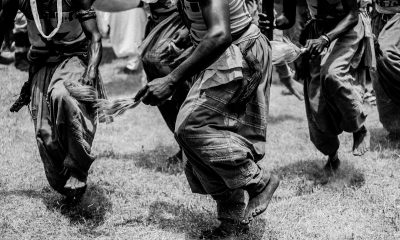
When Africa Dances: Rhythm, Identity, and the Journey of a People
-

 Awards4 months ago
Carved Beauty: The African Woman in Sculpture and the Story of Heritage