Connect with us

Culture

The Wisdom of the Elders: African Proverbs, Parables, and the Art of Guiding the Next Generation

An African elder rarely begins advice with a direct answer. Instead, a story is told, a proverb is shared, or a parable is spoken. Through these timeless words, generations have learned patience, humility, courage, and wisdom. In Africa, advice is not merely given—it is carefully planted like a seed, allowing each generation to discover its meaning.


Published

on

An elderly African man sits beneath the shade of a large tree while a group of younger people listens attentively. He speaks calmly, occasionally smiling as he shares a short story about a hunter, a lion, or a farmer planting seeds before the rainy season. The young listeners know he is not merely telling a story. Hidden within his words is advice that will guide them long after the conversation has ended.

Across Africa, elders have long been regarded as custodians of wisdom. Their role extends beyond age; it is built upon years of experience, observation, and service to the community. In many African societies, growing older is associated not only with advancing in years but with accumulating insight that can be shared with future generations.

One of the most distinctive features of African wisdom is the use of proverbs and parables. Rather than giving direct instructions, elders often communicate through stories, metaphors, and symbolic expressions. A simple tale about trees, rivers, birds, or animals may contain profound lessons about leadership, family, friendship, honesty, patience, or perseverance.

This style of teaching reflects a belief that wisdom should not simply be handed to someone. Instead, it should be discovered through reflection. A proverb encourages the listener to think deeply, to discuss its meaning with others, and to apply it to different situations in life. In this way, learning becomes an active process rather than passive instruction.

African proverbs are among the continent’s richest intellectual treasures.

A Yoruba proverb says, “The child who washes his hands well may eat with elders.” It teaches that character, discipline, and good conduct—not age alone—earn respect and opportunity.

An Akan proverb from Ghana reminds us, “Wisdom is like a baobab tree; no one person can embrace it.” It suggests that knowledge is too vast for any individual to possess completely and that learning requires humility and cooperation.

Among the Igbo, one saying notes that “A person who asks questions never loses the way.” It encourages curiosity and reminds young people that seeking guidance is a sign of wisdom rather than weakness.

Although the wording differs across cultures, the message is remarkably consistent: wisdom grows through experience, humility, and community.

Parables also play an important role. An elder may describe two brothers who planted crops differently or tell the story of a traveller who ignored advice before crossing a river. Such stories rarely mention the listener directly, yet everyone understands the lesson. This indirect approach allows people to receive correction with dignity rather than embarrassment.

Respect for elders is another important feature of many African societies. Young people are encouraged to listen carefully, not because elders are always right, but because experience provides valuable perspective. At the same time, wise elders understand that each generation faces new realities. Good advice therefore combines timeless values with an awareness that society continues to change.

Migration has carried this tradition across the world.

African families living in Europe, North America, Asia, Australia, and elsewhere continue to pass on proverbs, stories, and family histories to younger generations. Grandparents tell stories over video calls. Parents repeat sayings they learned in childhood. Cultural organisations host storytelling events where young people discover the wisdom of their ancestors. In this way, migration has not silenced Africa’s oral traditions; it has given them new audiences.

Yet migration has also created challenges. Younger generations growing up far from their ancestral homes may not always understand traditional languages or cultural references. This makes preserving oral traditions even more important. Recording proverbs, documenting stories, and encouraging intergenerational conversations help ensure that this heritage is not lost.

The world has much to learn from Africa’s tradition of storytelling.

The first lesson is that wisdom grows through experience. Knowledge is not measured only by academic qualifications but also by a lifetime of learning, service, and reflection.

The second lesson is that stories often teach more effectively than commands. A well-chosen parable encourages people to think, question, and remember.

The third lesson is the importance of intergenerational dialogue. Healthy societies create opportunities for young and old to learn from one another. Elders share experience, while younger people contribute fresh ideas and new perspectives.

Finally, African proverbs remind us that character is as important as achievement. Success without integrity is incomplete. True wisdom combines knowledge with humility, compassion, and responsibility.

Reframing Africa’s migration story means recognising that Africa exports more than professionals, entrepreneurs, athletes, and artists. It also shares a rich intellectual tradition rooted in oral history, storytelling, and moral reflection. Every proverb carried across borders is a reminder that culture lives not only in monuments and museums but also in the words people speak to one another.

The elder beneath the tree is more than a storyteller. He is a guardian of memory, a teacher of values, and a bridge between generations. His stories preserve lessons that remain relevant in a rapidly changing world.

Every proverb carries a lifetime of experience. Every parable plants a seed of wisdom. Every conversation between an elder and a young person strengthens the future.

To reframe Africa’s migration story is to recognise that one of Africa’s greatest gifts to the world is its wisdom. Through proverbs, parables, and storytelling, African elders remind us that while technology may change how we live, timeless values—respect, integrity, humility, and compassion—remain the foundation upon which every generation builds its future.

Continue Reading
Click to comment

Leave a Reply

Your email address will not be published. Required fields are marked *

Culture

Knowledge Without Borders: African Scholar Migration in a Changing World

African scholars have always crossed borders in pursuit of knowledge, opportunity, and collaboration. Yet behind every academic journey lies a complex story of ambition, sacrifice, unequal opportunities, and the enduring hope of contributing to Africa’s development. Reframing African scholar migration means moving beyond the language of “brain drain” to recognise the transformative potential of knowledge mobility.
Published

on

By

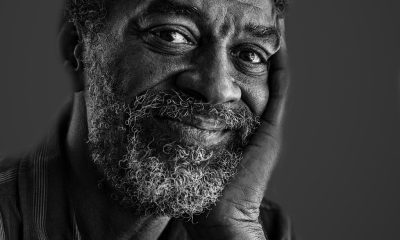
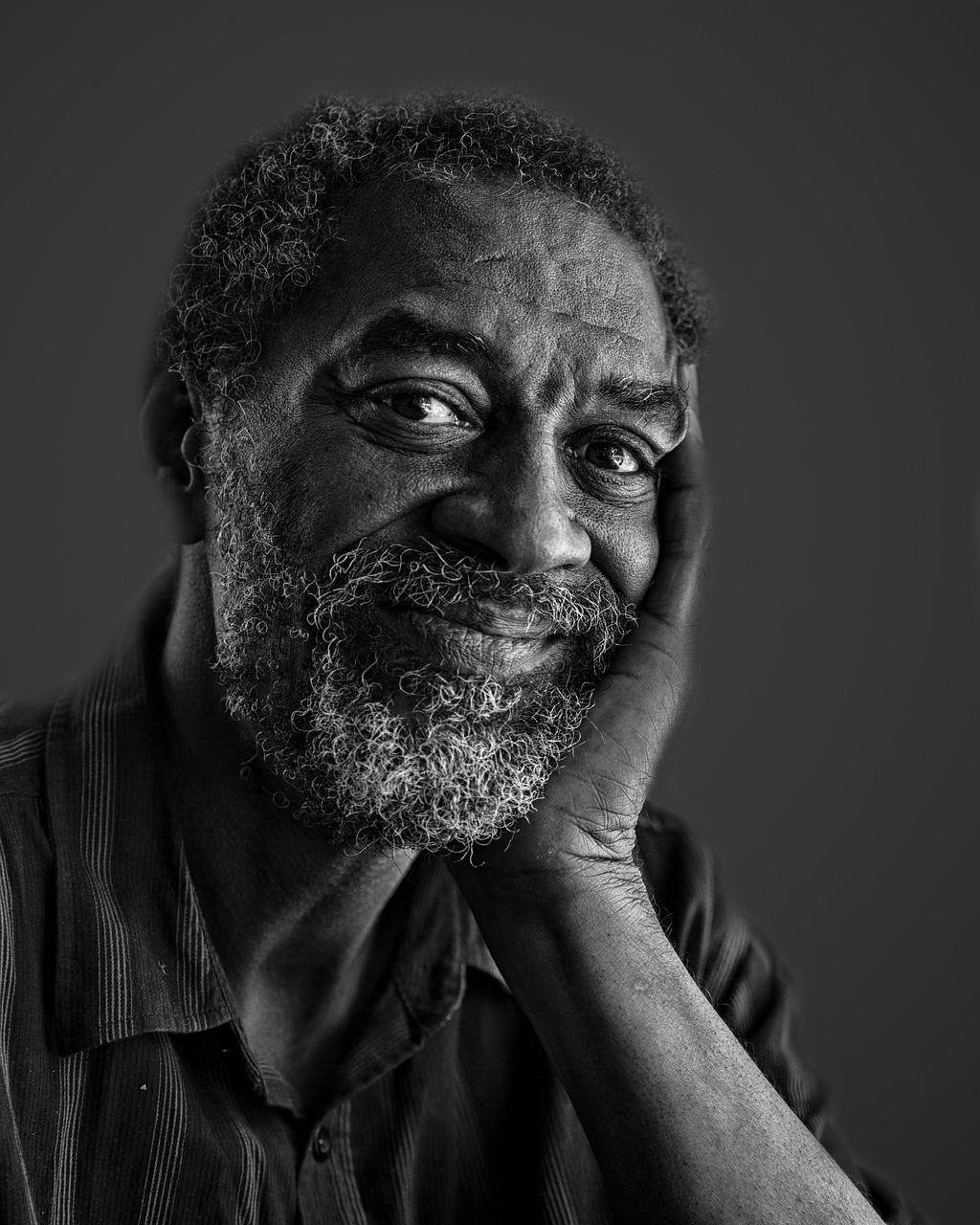
man, black, portrait, male, black man, african man, bearded man, old, elderly, smiling, happy, adult, face, cheerful, monochrome, black and white, grandfather, grandparents, grandpa, man, man, man, black, portrait, portrait, portrait, portrait, portrait, black man, black man, black man, black and white, black and white
Photo: Shutterstock

Knowledge Without Borders: African Scholar Migration in a Changing World

The pursuit of knowledge has never respected national borders. For centuries, scholars have travelled across continents in search of learning, collaboration, and intellectual discovery. From the ancient libraries of Timbuktu to today’s leading universities in Europe, North America, Asia, and Australia, African scholars have long participated in the global exchange of ideas. Their journeys reflect not only personal ambition but also the broader realities of inequality, opportunity, and development that continue to shape Africa’s place in the global knowledge economy.

Academic migration is often portrayed through the narrow lens of “brain drain”—the departure of highly educated professionals from developing countries to wealthier nations. While this narrative captures legitimate concerns about the loss of skilled professionals, it oversimplifies a far more complex phenomenon. African scholar migration is not merely a story of departure; it is also a story of connection, collaboration, innovation, and the circulation of knowledge.

Each year, thousands of African academics, researchers, doctoral students, and postdoctoral fellows relocate to universities around the world. Many are drawn by access to advanced research facilities, competitive funding opportunities, stronger academic networks, and environments that support scientific inquiry. For some, migration provides opportunities unavailable at home, including specialised laboratories, world-class libraries, interdisciplinary collaboration, and stable research funding.

Yet these opportunities often emerge against a backdrop of persistent challenges within African higher education systems. Limited research funding, ageing infrastructure, heavy teaching loads, bureaucratic constraints, inadequate postgraduate supervision capacity, and political instability continue to affect many universities across the continent. In some contexts, scholars also contend with restrictions on academic freedom, making international mobility an attractive or necessary pathway for intellectual growth.

The decision to migrate is therefore rarely a rejection of Africa. More often, it is a search for conditions that allow scholars to realise their full potential. Many retain deep professional and emotional ties to their home countries, maintaining research collaborations, supervising students, publishing jointly with African colleagues, and contributing to policy development and institutional capacity-building from abroad.

The growing African academic diaspora represents one of the continent’s most valuable yet underutilised resources. Across the world’s leading universities and research institutions, African scholars are making significant contributions in medicine, engineering, artificial intelligence, climate science, economics, public health, education, migration studies, agriculture, and countless other fields. Their work advances global knowledge while simultaneously creating opportunities to strengthen research capacity within Africa.

Digital technologies have transformed how scholarly migration is understood. Knowledge no longer moves only through permanent relocation. Virtual supervision, international research networks, online conferences, collaborative publications, and joint grant applications have enabled scholars to contribute across borders without necessarily returning permanently. These forms of transnational engagement demonstrate that academic mobility can generate mutual benefits for both origin and destination countries.

Despite these opportunities, African scholars continue to face important challenges abroad. Many encounter barriers to career progression, difficulties in obtaining research funding, restrictive immigration policies, visa uncertainties, and the under-recognition of qualifications and expertise. Others experience subtle forms of discrimination, underrepresentation in leadership positions, or unequal access to international research partnerships. Such obstacles remind us that academic excellence alone does not always guarantee equal opportunity within global higher education.

Women scholars often experience additional challenges. Balancing academic careers with family responsibilities, navigating gender inequalities, and overcoming structural barriers to leadership remain significant concerns both within Africa and internationally. Supporting the mobility and advancement of African women scholars is therefore essential to building more inclusive knowledge systems.

The conversation must also move beyond the outdated binary of “brain drain” versus “brain gain.” Increasingly, researchers speak of brain circulation, knowledge mobility, and global scientific collaboration. These concepts recognise that scholars frequently move between countries throughout their careers, creating networks that facilitate innovation, technology transfer, policy learning, and institutional partnerships. Rather than representing a permanent loss, migration can become a mechanism through which expertise flows back to the continent in multiple forms.

Governments, universities, and international organisations all have important roles to play. Investing in research infrastructure, expanding doctoral education, strengthening research funding, protecting academic freedom, supporting international collaboration, and engaging the African academic diaspora are essential strategies for building globally competitive universities. Equally important is creating environments in which talented scholars choose to remain, return, or maintain active partnerships with institutions across Africa.

Reframing African scholar migration requires recognising scholars not as symbols of loss but as ambassadors of knowledge. Whether they teach in Lagos, Nairobi, Pretoria, London, Toronto, Melbourne, or Doha, African academics continue to shape ideas that influence societies far beyond national borders. Their contributions demonstrate that intellectual capital is not diminished by movement; it is often strengthened through exchange.

The future of Africa’s development will depend not only on retaining talent but also on connecting talent across continents. Universities, governments, and research institutions must therefore embrace mobility as an opportunity for partnership rather than viewing migration solely as a challenge to be managed.

Every African scholar who crosses a border carries more than a passport and a curriculum vitae. They carry the intellectual traditions of a continent, the aspirations of future generations, and the possibility of building bridges between Africa and the world. Their journeys remind us that knowledge grows through movement, collaboration, and shared purpose.

In reframing Africa’s migration story, the migration of scholars stands as one of the continent’s greatest opportunities—not because its brightest minds leave, but because wherever they go, they continue to illuminate pathways for Africa’s future.

Continue Reading

Culture

The Mammoth’s Legacy: What an Extinct Giant Teaches Us About Africa and Migration

Neque porro quisquam est, qui dolorem ipsum quia dolor sit amet, consectetur, adipisci velit, sed quia non numquam.

Published

on

By

african buffalo, animal, wildlife, cape buffalo, nature, mammal, bull, bovine, horns, head, closeup, portrait
Photo: Shutterstock

The woolly mammoth is one of the most recognisable animals in Earth’s history. Towering above the frozen plains of the Ice Age with its curved tusks and thick coat of fur, it has become a symbol of survival in harsh environments. Yet despite its remarkable ability to adapt, the mammoth eventually disappeared from the planet. Its story raises timeless questions about resilience, environmental change, and the movement of species—questions that also resonate deeply with Africa’s migration story.

Although mammoths never inhabited Africa, their existence reminds us that migration is far older than human civilisation. Throughout Earth’s history, animals have moved in response to changing climates, shifting landscapes, food availability, and environmental pressures. Migration is one of nature’s oldest survival strategies. Long before passports, borders, or nations existed, life itself depended on movement.

Africa occupies a unique place in this story. Widely recognised as the cradle of humankind, the continent is where modern humans first emerged before gradually dispersing across the globe. Tens of thousands of years ago, our ancestors left Africa in search of new environments and opportunities, eventually populating every continent. In many ways, humanity’s earliest migration mirrors the ecological movements seen throughout the natural world.

The mammoth’s extinction also reminds us that adaptation is not guaranteed. Scientists generally agree that a combination of climate change and human hunting contributed to the mammoth’s disappearance. As temperatures warmed at the end of the last Ice Age, the grasslands on which mammoths depended gradually disappeared. Their changing environment became increasingly difficult to navigate, reducing their chances of survival.

Today’s world presents similar challenges, though in different forms. Climate change, environmental degradation, desertification, floods, and drought increasingly influence patterns of human migration across Africa. Communities dependent on agriculture and livestock often find their livelihoods threatened by changing rainfall patterns and declining natural resources. As opportunities diminish, migration becomes not merely an economic decision but a strategy for survival.

The mammoth also illustrates another important lesson: movement is a sign of adaptation, not weakness. In public debates, migration is sometimes portrayed as a failure or crisis. Yet throughout nature, movement is often the very mechanism through which species endure changing conditions. Birds migrate seasonally, wildebeest traverse the Serengeti in search of grazing land, and marine species follow shifting ocean currents. Mobility is fundamental to life itself.

Human migration follows similar principles. Africans move within their countries, across the continent, and around the world for education, employment, entrepreneurship, safety, family reunification, and professional development. While some migration is driven by hardship, much of it reflects aspiration, innovation, and the pursuit of opportunity. To reduce migration solely to images of crisis overlooks its role in expanding knowledge, strengthening economies, and fostering cultural exchange.

The mammoth’s story also highlights the importance of resilience. Although the species eventually became extinct, it survived dramatic environmental changes for hundreds of thousands of years. Human societies possess an even greater capacity for adaptation because they innovate, cooperate, and create institutions capable of responding to change. Investments in education, science, technology, sustainable agriculture, and inclusive governance can strengthen resilience and reduce forced migration while enabling people to move safely and productively when they choose.

Perhaps the greatest lesson the mammoth offers Africa is the importance of preparing for the future rather than resisting change. Environmental transformation cannot always be prevented, but societies can develop policies that support adaptation, protect vulnerable communities, and create opportunities for sustainable livelihoods. Migration should therefore be understood not only as a challenge to manage but also as a resource to harness for development.

Reframing Africa’s migration story requires recognising that movement has always been part of the human experience. From the earliest migrations out of Africa to today’s global networks of students, entrepreneurs, researchers, healthcare professionals, and skilled workers, mobility has shaped civilisation itself. Africa’s future will not be defined by whether its people move, but by whether movement creates opportunities for shared prosperity.

The mammoth no longer walks the Earth, but its legacy endures as a reminder that survival belongs to those who adapt wisely to change. Africa’s greatest strength lies not simply in its natural resources or its growing population, but in the resilience, creativity, and mobility of its people. Like nature itself, Africa’s story is one of movement—and within that movement lies the possibility of renewal, innovation, and hope.

Continue Reading

Culture

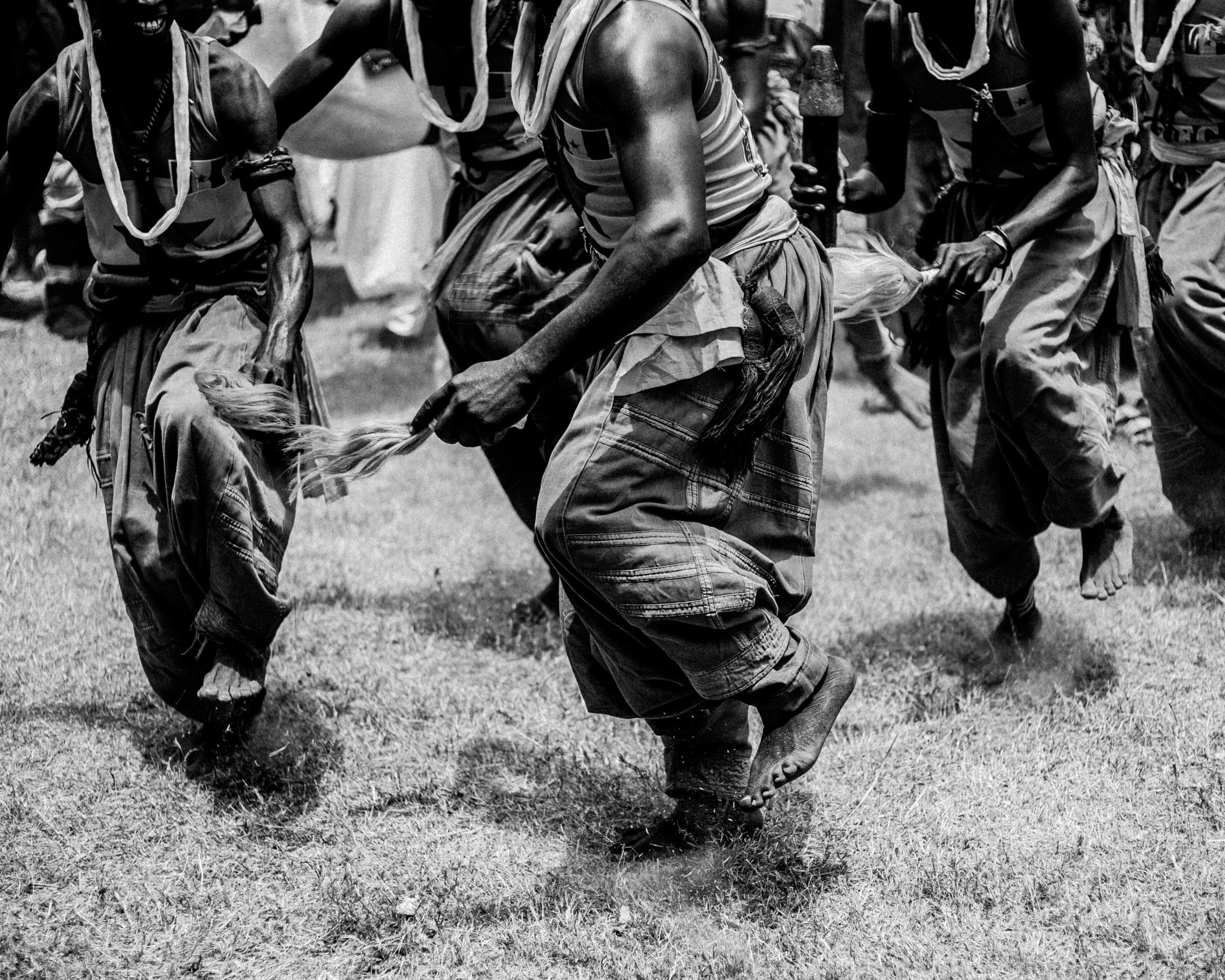
When Africa Dances: Rhythm, Identity, and the Journey of a People

The women dance in unison, their movements echoing the heartbeat of generations. Every step, every drumbeat, and every song tells a story of identity, resilience, and belonging. African dance is more than performance—it is a living language that has travelled with migrants across continents, preserving culture while building new communities far from home.

Published

on

By

Black and white photo of a traditional dance ceremony outdoors in Ilorin, Nigeria.
Photo: Shutterstock

As the drums begin to sound, the dancers move with confidence and purpose. Their feet strike the earth in rhythm, their hands tell silent stories, and their colourful garments sway with every graceful step. To many observers, African dance is a vibrant cultural performance. To Africans themselves, it is often much more—a language of memory, identity, community, and celebration that has endured across generations.

Across the continent, dance occupies a central place in everyday life. It accompanies births and naming ceremonies, weddings, harvest festivals, religious observances, rites of passage, royal celebrations, and community gatherings. While styles differ from one culture to another, African dance shares a common purpose: it brings people together. Every movement reflects a relationship—with family, ancestors, community, nature, and the rhythms of daily life.

Unlike many performance traditions that separate artists from audiences, African cultural dance is deeply participatory. The boundary between performer and spectator is often blurred as communities clap, sing, drum, and join the celebration. Dance becomes a shared experience that strengthens social bonds and reinforces collective identity.

The women captured in this moment of dance represent more than artistic expression. They embody the resilience of African communities and the enduring strength of cultural traditions. Their synchronized movements reflect cooperation, mutual support, and the belief that individual success is inseparable from the well-being of the community. In many African societies, women are custodians of culture, passing songs, dances, stories, languages, and traditions from one generation to the next.

Migration has carried these traditions far beyond the African continent. Whether through historical movements, voluntary migration, education, trade, or the African diaspora, music and dance have travelled wherever Africans have settled. Today, African rhythms resonate in churches in London, festivals in Toronto, community centres in Johannesburg, cultural celebrations in São Paulo, and university campuses in New York. Dance has become one of Africa’s most recognisable cultural ambassadors.

For migrants, dance often serves as a bridge between the homeland and a new environment. It creates spaces where families reconnect with their heritage, where children born abroad learn about their cultural roots, and where communities preserve traditions despite geographical distance. In these moments, dance becomes an expression of belonging—a reminder that identity is not left behind when crossing borders.

African dance also tells a different story about migration. Too often, migration is discussed only through the language of borders, crises, displacement, or economic hardship. Yet migration also carries culture, creativity, innovation, and joy. When African migrants perform traditional dances at international festivals or community events, they contribute to cultural diversity and foster mutual understanding. They challenge stereotypes by presenting Africa as a continent of rich artistic traditions, creativity, and human connection.

The rhythmic dialogue between drums and dancers symbolises another important lesson about migration: adaptation without losing identity. African dance has evolved as it has encountered new cultures, incorporating contemporary influences while preserving its distinctive character. This mirrors the experience of many African migrants who adapt to new societies without abandoning the languages, customs, and values that define them.

The image of women dancing together also reflects the importance of unity. Across Africa’s remarkable diversity of more than fifty countries and thousands of ethnic groups, dance demonstrates that diversity can coexist with shared purpose. Different rhythms, costumes, and traditions contribute to a broader African cultural heritage that is celebrated both on the continent and across the diaspora.

In an increasingly interconnected world, cultural heritage has become a form of soft power. African music and dance now influence global entertainment, fashion, education, tourism, and creative industries. From Afrobeats to traditional drumming ensembles, African artistic expressions continue to shape international culture while creating economic opportunities for artists, entrepreneurs, and cultural institutions.

Reframing Africa’s migration story requires recognising these cultural dimensions of mobility. Migration is not only the movement of workers, students, refugees, or professionals; it is also the movement of songs, dances, languages, values, and traditions that enrich societies wherever they take root. Every performance becomes an act of cultural preservation and a celebration of Africa’s enduring contribution to the world.

The women dancing to the rhythm of African drums remind us that culture travels with people. Their movements carry centuries of history, honour the wisdom of ancestors, and inspire future generations. They dance not simply for entertainment but for remembrance, identity, and hope.

In every beat of the drum and every graceful step lies a profound truth: Africa’s greatest export is not merely its natural resources or its markets—it is its people and the rich cultural heritage they carry across the world. Wherever Africans migrate, their rhythm continues to unite communities, bridge cultures, and tell a story that deserves to be heard.

Reframing Africa’s migration story begins not only with the movement of people but also with the movement of culture. And when Africa dances, the world listens.

Continue Reading

Trending

Copyright © 2026 Mygration Magazine is a multidimensional publishing and knowledge platform documenting African migrant excellence globally.