
Awards
The African Chessboard: Strategy, Heritage, and the Art of Thinking Ahead
On a beautifully handcrafted soapstone chessboard from Kenya, every move tells a story. The carved kings, queens, warriors, and pawns represent more than a game—they reflect patience, strategy, leadership, and the timeless African tradition of thoughtful decision-making. Like migration itself, chess reminds us that every journey begins with a single move.








Awards
Between Two Worlds: An African Youth, Tradition, and the Journey of Migration
Seated outside a modest home, a young African man wears traditional attire paired with a Western-style cap and polished shoes. His appearance tells a story far greater than fashion. It reflects a generation that honours its heritage while embracing a changing world, revealing that migration is not only about crossing borders—it is also about the blending of cultures, identities, and aspirations.
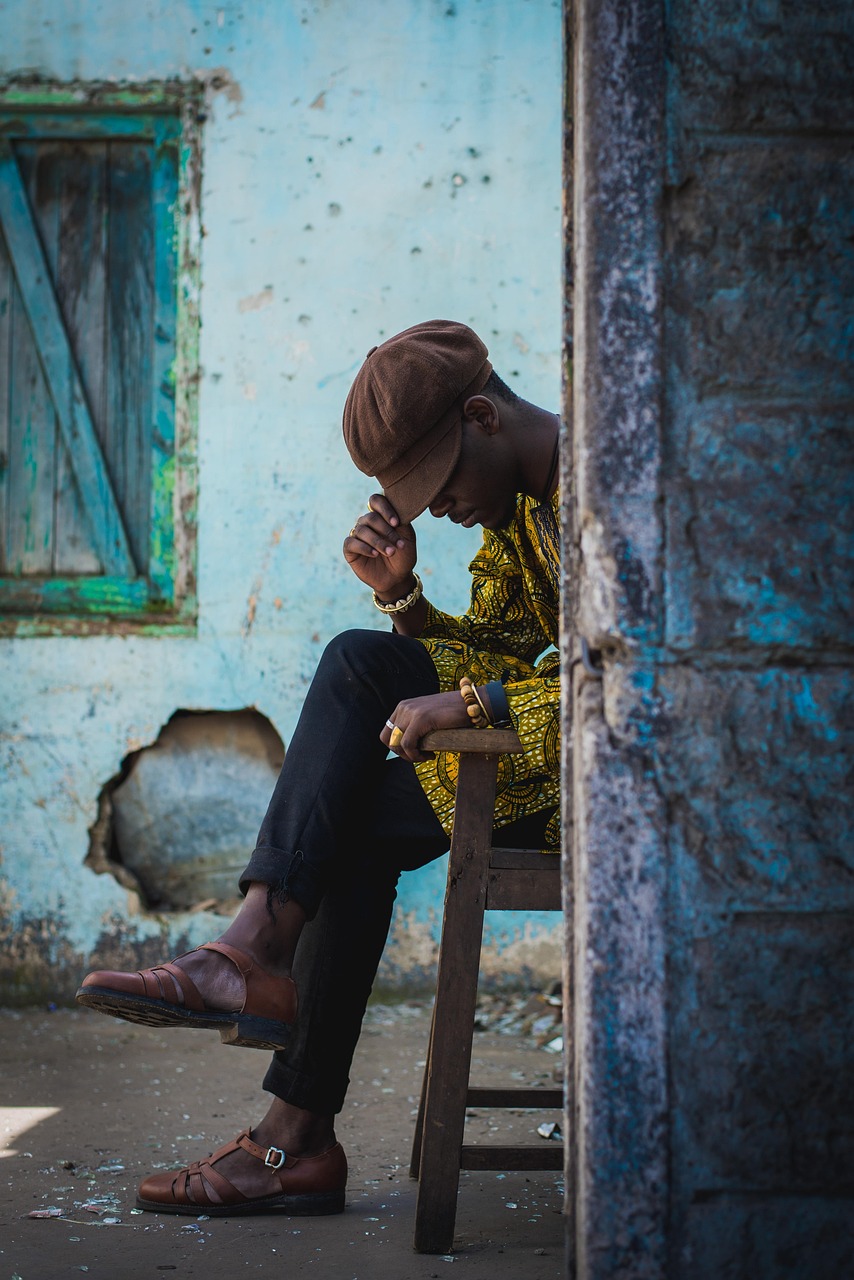
He sits quietly outside his family home, his posture relaxed yet confident. The walls behind him speak of home, community, and generations of family history. He is dressed in traditional African clothing, carefully tailored and proudly worn, reflecting the customs and heritage of his people. Yet his Western-style cap and polished shoes add a different dimension to his appearance. Together, they create an image that tells the story of modern Africa.
At first glance, the combination of traditional and Western clothing may seem like a simple fashion choice. In reality, it represents one of the defining characteristics of contemporary African society: the ability to embrace change without abandoning identity. Across the continent, millions of young Africans navigate two worlds simultaneously. They celebrate their cultural heritage while participating in an increasingly globalised society shaped by education, technology, international media, and migration.
His traditional attire reflects where he comes from. It honours his family, community, language, and history. African clothing has long communicated identity, social status, cultural pride, and belonging. Whether it is an embroidered Agbada, a Kaftan, a Dashiki, a Kente cloth, or garments unique to other African cultures, traditional dress carries stories that connect individuals to generations before them.
The Western cap and shoes tell another story. They symbolise openness to new ideas, education, mobility, and participation in a global economy. Across Africa, Western influences have become part of everyday life—not as replacements for African culture, but as additions to it. Many young Africans confidently combine traditional and contemporary styles, creating identities that are both local and global.
This blending of cultures mirrors the experience of migration itself. Migration rarely requires people to abandon who they are. Instead, it often invites them to adapt while preserving their values and traditions. African migrants living abroad frequently continue to wear traditional clothing during weddings, religious celebrations, cultural festivals, and family gatherings, while embracing aspects of life in their new countries. Identity becomes layered rather than divided.
The young man’s pose outside his home is equally significant. Home is more than a physical structure; it represents belonging, memory, and community. For many African migrants, leaving home is one of the most difficult aspects of migration. Yet home often remains present through language, food, music, clothing, traditions, and regular communication with family. Migration may change where people live, but it does not erase where they come from.
His image also reflects the aspirations of Africa’s youthful population. The continent is home to one of the world’s youngest populations, many of whom seek education, employment, entrepreneurship, and opportunities beyond their immediate communities. Some will remain in their hometowns, contributing to local development. Others will migrate to cities or across international borders in pursuit of their ambitions. Wherever they go, they carry with them both tradition and modernity.
The photograph challenges a common misconception that African identity and globalisation are incompatible. On the contrary, Africa has always absorbed influences from different cultures while preserving its own distinctive heritage. Trade, religion, education, technology, and migration have enriched African societies for centuries. Cultural exchange is not a recent phenomenon; it is part of the continent’s long history.
The young man’s appearance also speaks to confidence. He is not choosing between being African and being global. He is demonstrating that the two identities can coexist. This confidence is increasingly evident among African professionals, students, artists, entrepreneurs, and scholars who succeed internationally while remaining deeply connected to their cultural roots.
Migration reinforces this reality. African migrants contribute to their host societies through innovation, business, science, education, healthcare, and the arts, while simultaneously investing in their countries of origin through remittances, philanthropy, research collaborations, and community development. They become cultural ambassadors, showing that identity can travel without being lost.
Reframing Africa’s migration story requires us to move beyond outdated narratives that portray migration as a choice between tradition and modernity. The young man seated outside his home reminds us that Africa’s future will be shaped by individuals who confidently bridge both worlds. They are rooted in their heritage while engaging with global opportunities. They preserve culture while embracing innovation.
His traditional clothing honours the past. His Western cap and shoes acknowledge the present. Together, they point towards the future—a future in which African identity is neither confined by geography nor diminished by migration.
Every thread of his clothing tells a story of heritage. Every modern accessory speaks of adaptation. Together, they reveal one of Africa’s greatest strengths: the ability to remain firmly rooted while reaching confidently towards the world.
Awards
Carved by Culture: African Art and the Journey of Migration
Every African sculpture, woven basket, painted canvas, beadwork, and carved mask tells a story that extends beyond beauty. These works of art preserve memory, identity, and history while travelling with people across borders. As Africans migrate around the world, their art becomes more than cultural expression—it becomes a bridge connecting continents, generations, and communities.
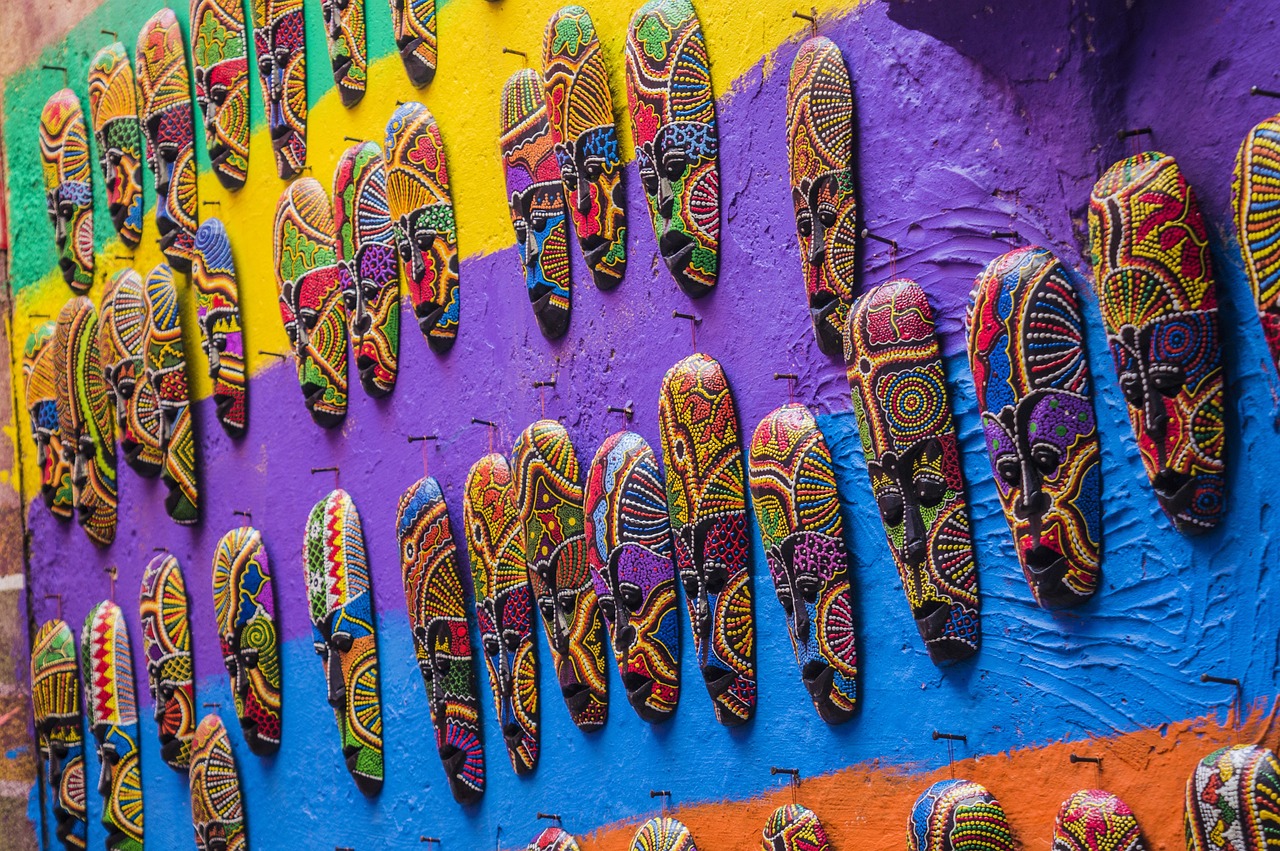
Africa is a continent of extraordinary artistic diversity. From intricate wood carvings in West Africa and colourful beadwork in Southern Africa to bronze sculptures in Nigeria, woven baskets in East Africa, vibrant textiles in Ghana, and ancient rock paintings in the Sahara, African art reflects thousands of years of creativity, innovation, and cultural expression. Far more than decoration, these artistic traditions tell the story of a continent whose history has always been shaped by movement, exchange, and human imagination.
For centuries, African artists have transformed ordinary materials into extraordinary works of beauty. Wood, clay, stone, bronze, leather, raffia, beads, shells, ivory, and woven grasses have all been used to create objects that communicate history, spirituality, leadership, community, and identity. Every carving, every woven pattern, and every painted design carries meanings understood within the communities that produced them.
African art is often inseparable from everyday life. Masks are worn during festivals and ceremonies. Sculptures honour ancestors or community leaders. Beadwork marks important stages of life such as birth, marriage, and adulthood. Pottery stores food and water while reflecting artistic skill. Woven baskets serve practical purposes yet also demonstrate remarkable craftsmanship. In Africa, art is not confined to galleries—it lives within communities.
Migration has played an important role in shaping these artistic traditions. Throughout history, merchants, artisans, travellers, and craftspeople carried artistic techniques across kingdoms, trade routes, and regions. Ideas spread through commerce, pilgrimage, marriage, and cultural exchange. As communities interacted, artistic styles evolved while retaining their distinctive cultural identities.
Today, African migration continues this tradition of cultural exchange. Whether in London, Toronto, Paris, Johannesburg, Dubai, or New York, African artists bring their creativity to global audiences. Their paintings, sculptures, fashion, music, photography, and textiles challenge outdated stereotypes by presenting Africa as a continent of innovation, sophistication, and artistic excellence.
Art also becomes a powerful link between migrants and home. A carved wooden sculpture displayed in a living room abroad, a Kente cloth worn during a graduation ceremony, or a beaded necklace passed from one generation to another serves as a reminder of family, heritage, and identity. These objects carry emotional significance far beyond their material value. They become symbols of belonging in unfamiliar places.
The growing global appreciation of African art demonstrates that migration enriches both the countries people leave and those they enter. African artists contribute to museums, galleries, universities, cultural festivals, and creative industries around the world. Their work stimulates dialogue, encourages cross-cultural understanding, and expands appreciation for Africa’s diverse cultural heritage.
At the same time, African art tells stories that have too often been overlooked. Some artworks reflect the legacy of ancient kingdoms, while others commemorate struggles against colonialism, celebrate independence, or address contemporary issues such as urbanisation, climate change, inequality, and migration itself. Through visual expression, artists document experiences that statistics alone cannot capture.
The movement of African art also raises important questions about cultural heritage. Many historic African artefacts remain in museums outside the continent, having been removed during the colonial era. Growing conversations about restitution and repatriation reflect a broader recognition that cultural heritage is deeply connected to identity, memory, and justice. These discussions remind us that migration is not only about the movement of people but also about the movement of culture and history.
For many young Africans, art has become a pathway to economic opportunity. Creative industries generate employment, encourage entrepreneurship, promote tourism, and strengthen local economies. Painters, sculptors, fashion designers, photographers, filmmakers, and digital artists increasingly use their talents to build businesses while sharing African stories with the world. In this way, artistic expression contributes directly to development.
Reframing Africa’s migration story requires recognising that migration carries creativity as well as people. Every artist who crosses a border takes with them the colours, symbols, stories, and traditions of their homeland. Their work invites audiences to see Africa not through the lens of crisis or conflict but through the richness of its cultures, its history, and its imagination.
African art teaches us that identity is not fixed to one place. It travels with people, adapts to new environments, and continues to evolve while remaining rooted in tradition. Just as a carved sculpture preserves the memory of its maker, every migrant carries cultural knowledge that enriches the communities they join.
Every brushstroke tells a story. Every woven basket preserves a tradition. Every sculpture reflects generations of wisdom. Together, they remind us that Africa’s greatest masterpieces are not only found in museums—they are found in the lives, journeys, and creativity of its people.
Awards
The First Gaze: African Motherhood and the Legacy of Love
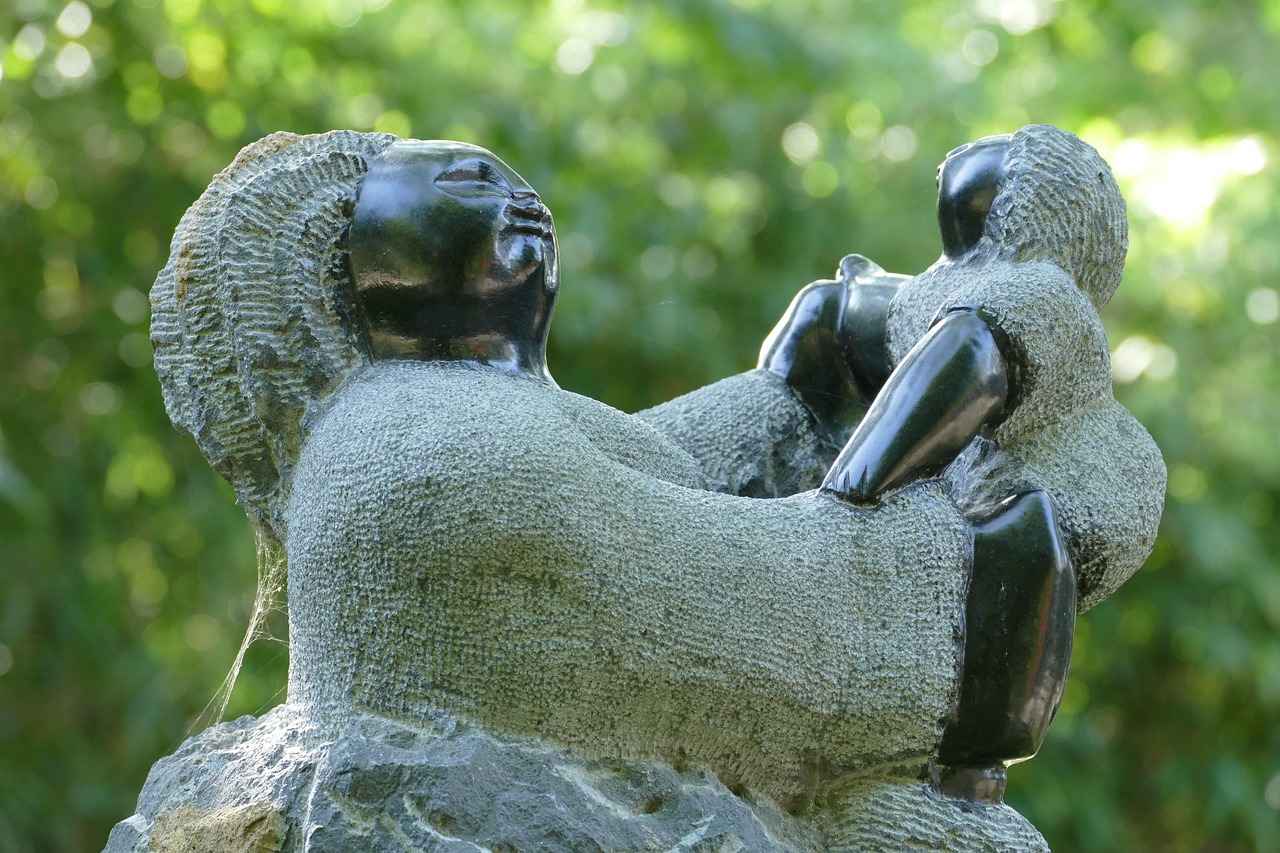
An African mother cradles her baby, their eyes locked in a moment of quiet understanding. No words are spoken, yet everything is communicated—love, protection, hope, and belonging. This simple exchange reminds us that the strength of Africa begins not in its cities or institutions, but in the embrace of mothers who nurture the next generation with courage, wisdom, and unwavering devotion.


Wings Across Borders: Migration, Resilience, and the Search for Belonging

Weaving Futures: African Women, Tradition, and the Threads of Migration

The Young of Monkeys: Lessons for African Migration and Human Adaptation

-
 Stories4 months ago
Lines of Identity: The Story Behind African Tribal Mark
-

 Culture4 months ago
Knowledge Without Borders: African Scholar Migration in a Changing World
-
 Stories4 months ago
The Heart of Community: Zambia’s Traditional Marketplace and the Spirit of Enterprise
-
 Culture4 months ago
The Wisdom of the Elders: African Proverbs, Parables, and the Art of Guiding the Next Generation
-
 News4 months ago
Woven with Pride: Ghana’s Kente Cloth, Beads, and the Story of Cultural Identity
-

 Culture4 months ago
The Mammoth’s Legacy: What an Extinct Giant Teaches Us About Africa and Migration
-
 Culture4 months ago
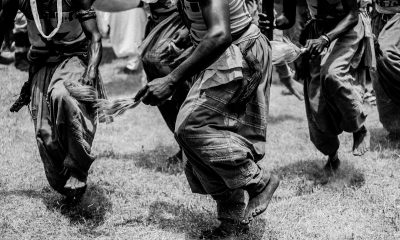
When Africa Dances: Rhythm, Identity, and the Journey of a People
-

 Awards4 months ago
Carved Beauty: The African Woman in Sculpture and the Story of Heritage