
Stories
Weaving Futures: African Women, Tradition, and the Threads of Migration
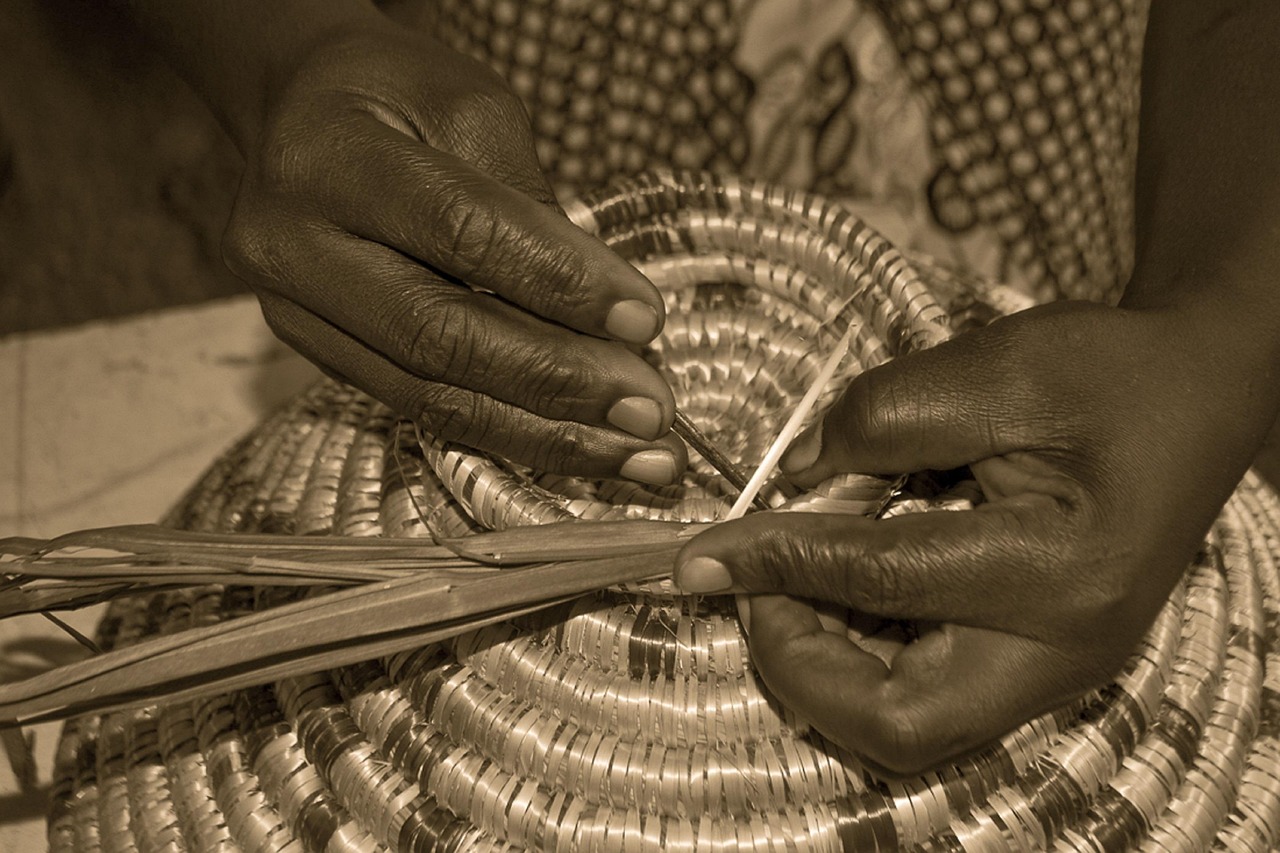
This story celebrates African women basket weavers, whose craft preserves cultural heritage while sustaining livelihoods and connecting communities through creativity and resilience


Stories
Mygration Magazine operates as a multidimensional publishing and knowledge platform
Mygration is where African migrant stories are documented with dignity, depth, and global relevance

Mygration Magazine is an independent, bi-annual publication and intellectual platform dedicated to documenting, amplifying, and celebrating the lived experiences and contributions of African migrants worldwide.
Our mission is to advance narrative justice by shifting how African migration is represented—from reductionist statistics and deficit-based framing to rich, human-centred stories of resilience, creativity, leadership, and global impact.
We are committed to producing high-quality, research-informed storytelling that reclaims African migrant identities as agents of knowledge, culture, innovation, and transformation.
Through writing, dialogue, and public engagement, Mygration Magazine seeks to reposition African migrants not as marginal figures of global systems, but as central contributors to global society.
Stories
Dreams for Sale: The Beach Vendor and Africa’s Entrepreneurial Migration Story
Along Africa’s coastlines, a young man walks barefoot across the sand carrying colourful kites and balloons. To many visitors, he is simply a beach vendor. Yet behind every sale is a story of resilience, entrepreneurship, and the determination to create opportunity where few formal jobs exist. His journey reminds us that Africa’s migration story often begins not at an international border, but with the everyday struggle to build a livelihood at home.
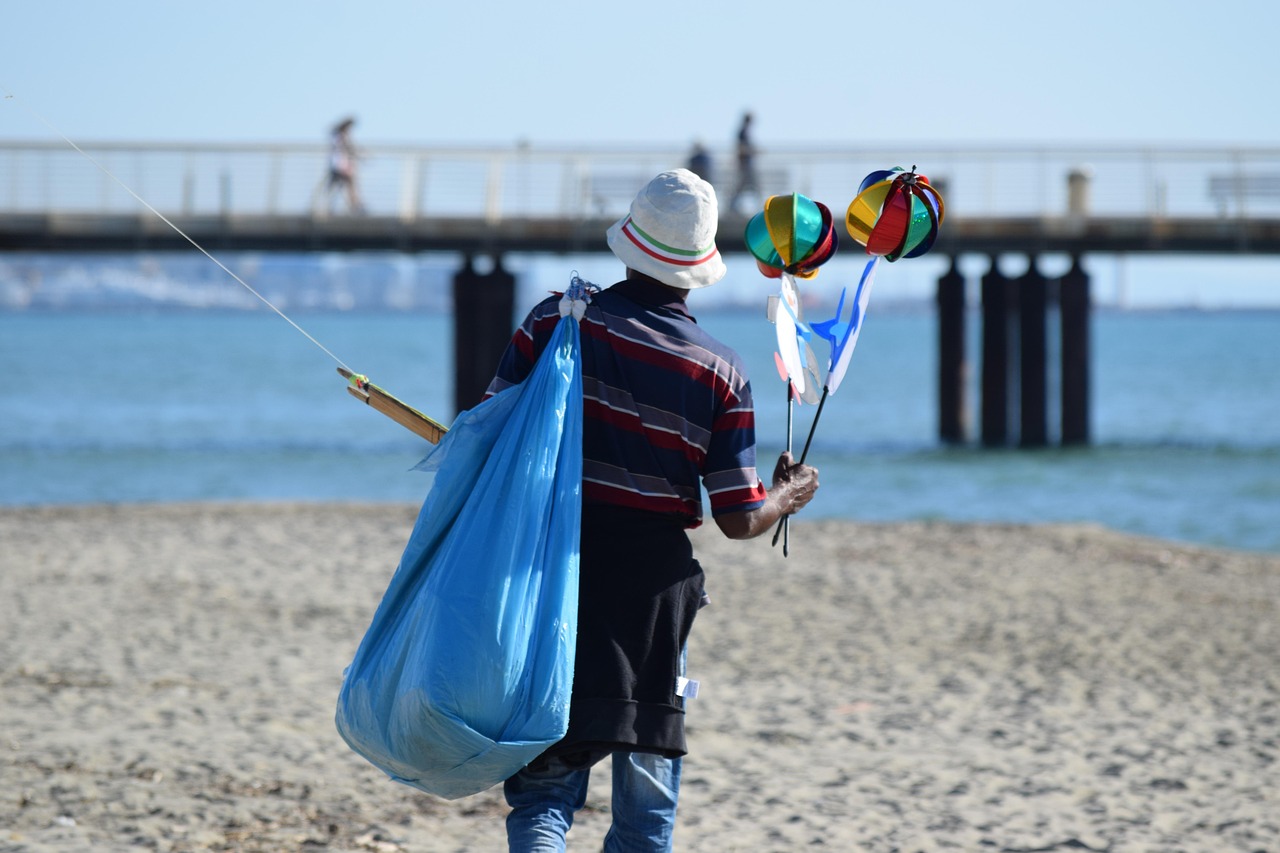
As families enjoy the sunshine and children play by the sea, a young African man walks patiently along the beach carrying brightly coloured kites and balloons. He smiles warmly as he approaches visitors, hoping that someone will stop, admire his products, and make a purchase. To some, he is simply another street vendor. To others, he represents one of Africa’s greatest strengths—its entrepreneurial spirit.
Across the continent, millions of Africans earn their living through small-scale enterprise. Whether selling handcrafted goods, fresh produce, clothing, toys, food, or household items, informal entrepreneurs play a vital role in local economies. In many African countries, the informal sector provides employment for people who may not have access to stable jobs in the formal economy. For countless families, entrepreneurship is not merely a career choice; it is a pathway to survival.
The beach vendor is an entrepreneur in every sense of the word. He invests his limited resources in products, identifies customers, manages risk, negotiates prices, and competes in a dynamic marketplace. Every kite and balloon he carries represents hope that today’s earnings will pay school fees, support ageing parents, provide food for his children, or finance a larger business tomorrow.
His story also reflects the realities facing many young Africans. The continent has one of the world’s youngest populations, with millions entering the labour market each year. While this demographic profile offers tremendous potential for innovation and economic growth, many countries struggle to create enough formal employment opportunities. As a result, young people increasingly rely on self-employment and micro-enterprises to generate income and support their families.
Yet entrepreneurship in Africa is often misunderstood. Too frequently, informal business is viewed as evidence of economic failure. In reality, it also demonstrates creativity, adaptability, and resilience. Beach vendors, market traders, artisans, and street entrepreneurs fill important gaps in local economies, bringing products and services directly to customers while creating livelihoods in challenging environments.
The beach itself becomes a meeting place between local enterprise and global mobility. Tourists arrive from different countries carrying their own stories, while local entrepreneurs engage with people from around the world every day. These encounters foster cultural exchange alongside economic activity. A simple conversation over the purchase of a kite or balloon can become a moment of mutual understanding between people from different cultures.
The vendor’s journey also reveals an important connection between entrepreneurship and migration. Many African migrants first developed their entrepreneurial skills in local markets before expanding their businesses across borders. Others migrate because they hope to access larger markets, more stable economies, or greater opportunities to grow their enterprises. The decision to migrate is often shaped not only by unemployment but also by the desire to transform small businesses into sustainable livelihoods.
Remittances sent home by migrant entrepreneurs frequently support families, finance education, invest in property, and create new businesses in local communities. In this way, migration and entrepreneurship reinforce one another. Movement across borders becomes an extension of the entrepreneurial journey rather than a departure from it.
However, the story also highlights broader structural challenges. Limited access to finance, inadequate business infrastructure, inconsistent regulations, and insufficient social protection continue to constrain many small entrepreneurs across Africa. Despite their determination, countless vendors operate without formal business registration, affordable credit, or opportunities to expand their enterprises. Addressing these barriers is essential if Africa is to fully harness the entrepreneurial potential of its young population.
The young man selling kites and balloons reminds us that migration should not always be understood as an escape from failure. For many, it represents the next stage in an entrepreneurial journey already begun at home. Given access to capital, training, markets, and supportive policies, today’s beach vendor may become tomorrow’s successful exporter, retailer, tourism operator, or business owner.
Reframing Africa’s migration story requires recognising these everyday entrepreneurs as agents of development rather than symbols of poverty. Their resilience demonstrates that Africa’s future will be shaped not only by governments and multinational corporations but also by millions of ordinary people who create opportunity through determination, innovation, and hard work.
Every balloon he carries represents hope. Every kite symbolises aspiration, rising above the wind through balance and perseverance. Like the kites he sells, Africa’s young entrepreneurs dream of soaring higher, despite the challenges they face. Some will build their futures in their home communities; others will carry their ambitions across borders.
Their stories deserve to be told because they reveal a different face of African migration—one driven not solely by necessity, but by enterprise, ambition, and the universal desire to build a better life. In every sale made on a sunny beach lies a quiet reminder that Africa’s greatest resource is not only its landscapes or natural wealth, but the resilience and ingenuity of its people.
Stories
Looking Beyond the Horizon: A Young African Man’s Dream
His eyes are fixed on the horizon, his expression calm yet determined. He is not simply looking into the distance—he is looking towards possibility. In that single moment, he represents millions of young Africans whose dreams reach beyond their present circumstances, reminding us that migration begins not with movement, but with hope.

He stands quietly, his face turned upward, his eyes focused on something beyond the camera’s view. There is confidence in his posture and determination in his expression. He appears to be searching—not for what is immediately before him, but for what lies ahead. His gaze captures one of the most powerful forces shaping Africa today: hope.
Across the African continent, millions of young people wake each day with aspirations that extend beyond the boundaries of their villages, towns, and cities. They dream of earning university degrees, starting successful businesses, developing new technologies, creating works of art, discovering scientific breakthroughs, and providing better lives for their families. Their hopes are not extraordinary; they are universal. What makes their stories remarkable is the resilience with which they pursue these dreams despite significant challenges.
The young man in the photograph symbolises this generation of possibility. His upward gaze reflects ambition rather than uncertainty. It reminds us that before anyone migrates, they first imagine a different future. Migration is born not at an airport or a border crossing, but in the quiet moments when individuals decide that tomorrow can be better than today.
Africa is home to the world’s youngest population. This demographic strength represents one of the continent’s greatest opportunities. Young Africans are increasingly driving innovation in technology, agriculture, finance, education, healthcare, renewable energy, and the creative industries. They are entrepreneurs, researchers, engineers, teachers, artists, and community leaders whose ideas are transforming their societies.
Yet many also face difficult realities. High youth unemployment, unequal access to quality education, limited economic opportunities, conflict in some regions, and the impacts of climate change continue to shape the decisions of many young people. For some, migration becomes a pathway to higher education, professional development, or entrepreneurship. For others, it is a response to circumstances beyond their control.
The young man’s expression reminds us that migration should not be understood only through the language of crisis. More often, it is driven by aspiration. Students travel to pursue world-class education. Professionals seek opportunities to develop their expertise. Entrepreneurs expand into new markets. Researchers collaborate with international colleagues. These journeys contribute not only to personal success but also to the exchange of knowledge, investment, and innovation between countries.
His photograph also tells a story about identity. Although he looks toward the future, he remains rooted in Africa. Migration does not erase where people come from. African migrants continue to carry their languages, cultures, traditions, values, and experiences wherever they settle. They remain connected to their communities through remittances, mentoring, investment, philanthropy, and the sharing of skills and ideas.
Looking upward also reflects resilience. Every meaningful journey involves uncertainty. There are applications that may be rejected, visas that may be delayed, businesses that may fail, and opportunities that may not materialise immediately. Yet hope enables people to persevere. It transforms obstacles into motivation and setbacks into opportunities for growth.
The image also challenges stereotypes about African youth. Too often, global narratives portray young Africans primarily as recipients of aid or victims of circumstance. This photograph presents a different perspective. It reveals a generation defined by ambition, creativity, intelligence, and determination. It reminds us that Africa’s greatest resource is not beneath its soil but within its people.
Migration therefore becomes part of a larger story of human potential. When young Africans gain access to education, safe mobility pathways, meaningful employment, and supportive policies, they become powerful contributors to both their home countries and the societies in which they live and work. Their journeys demonstrate that migration can strengthen development through knowledge exchange, innovation, entrepreneurship, and global partnerships.
At the same time, the photograph encourages reflection on the responsibilities of governments, universities, businesses, and communities. Young people should not feel that hope exists only beyond their borders. Creating opportunities at home—through quality education, investment, research, entrepreneurship, and good governance—ensures that migration becomes a matter of choice rather than necessity.
The young man’s gaze reminds us that the future is not something to wait for; it is something to build. Whether his path leads him to another city, another country, or back to his own community after studying abroad, his greatest asset is not the destination itself but the vision that inspires the journey.
Every generation has looked towards the horizon with dreams of a better life. Today’s young Africans are no different. They carry with them the resilience of those who came before them and the confidence to shape a different tomorrow.
His eyes are fixed on the future. His feet remain firmly planted in Africa.
To reframe Africa’s migration story is to recognise that behind every journey is a young person with a dream—not simply to leave, but to learn, to grow, to contribute, and to create a future that benefits both Africa and the wider world.


Wings Across Borders: Migration, Resilience, and the Search for Belonging

Weaving Futures: African Women, Tradition, and the Threads of Migration

The Young of Monkeys: Lessons for African Migration and Human Adaptation

-
 Stories4 months ago
Lines of Identity: The Story Behind African Tribal Mark
-

 Culture4 months ago
Knowledge Without Borders: African Scholar Migration in a Changing World
-

 Stories4 months ago
The Heart of Community: Zambia’s Traditional Marketplace and the Spirit of Enterprise
-
 Culture4 months ago
The Wisdom of the Elders: African Proverbs, Parables, and the Art of Guiding the Next Generation
-

 News4 months ago
Woven with Pride: Ghana’s Kente Cloth, Beads, and the Story of Cultural Identity
-

 Culture4 months ago
The Mammoth’s Legacy: What an Extinct Giant Teaches Us About Africa and Migration
-

 Culture4 months ago
When Africa Dances: Rhythm, Identity, and the Journey of a People
-

 Awards4 months ago
Carved Beauty: The African Woman in Sculpture and the Story of Heritage