
Politics
Hands That Built a Future: Ageing, Memory, and Africa’s Migration Story
Two weathered hands, marked by wrinkles and the passage of time, tell a story no words can fully capture. They are the hands that planted fields, raised children, built homes, and nurtured communities. As Africa’s younger generations migrate in search of opportunity, these hands remind us that every journey forward is built upon the sacrifices of those who stayed behind.

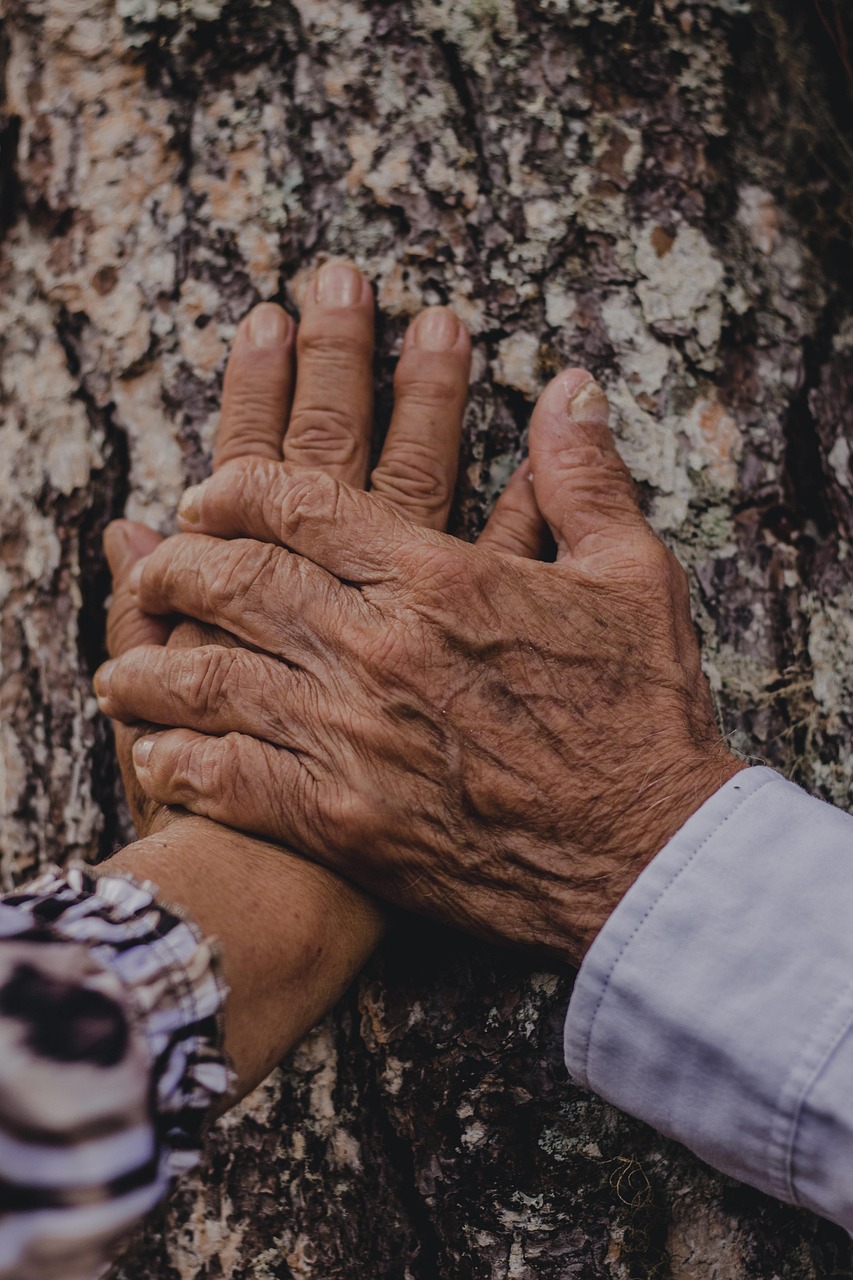
A photograph of two elderly hands resting gently together is one of the most powerful images of the human experience. The wrinkles etched into the skin are not merely signs of ageing; they are records of a lifetime. Every line speaks of years spent working the land, preparing meals, raising children, comforting loved ones, and contributing to the life of a family and a community.
In Africa, old age has traditionally been associated with wisdom, honour, and respect. Elders have long served as custodians of history, culture, language, and tradition. They preserve oral histories, settle disputes, teach values, and pass knowledge from one generation to the next. Their hands have shaped not only families but entire communities.
The hands in the photograph tell a story of labour. They may have planted crops under the hot sun, woven baskets, repaired fishing nets, built homes from mud and timber, cared for livestock, or traded in local markets. They are hands that have worked not for recognition but for survival and the hope of giving the next generation a better life.
These hands also tell the story of migration.
Across Africa, millions of young people leave villages and towns for cities or foreign countries in search of education, employment, business opportunities, and security. They depart carrying dreams for themselves and their families. Yet every departure also leaves someone behind—a mother, a father, a grandparent, or an ageing relative whose life continues in the place called home.
Migration therefore creates two journeys. One belongs to those who leave. The other belongs to those who remain.
For many older parents, migration is a source of both pride and longing. They celebrate the achievements of children who become doctors, teachers, engineers, entrepreneurs, academics, and skilled professionals abroad. At the same time, they often miss the simple joys of everyday companionship—the shared meal, the family gathering, the laughter of grandchildren, or the comforting presence of loved ones.
The wrinkles on elderly hands remind us that time does not stand still. While migrants build careers and lives elsewhere, parents and grandparents continue to age. Many families experience the emotional challenge of caring across borders, relying on phone calls, video conversations, and occasional visits to maintain close relationships despite the distance.
Yet migration also tells a story of gratitude. Across Africa, remittances sent home by migrants help pay medical bills, improve housing, support farming activities, educate younger siblings, and provide financial security for ageing parents. In many communities, migration has become a means through which adult children honour the sacrifices made by previous generations.
The image of two ageing hands also teaches an important lesson about intergenerational responsibility. Development is not measured only by economic growth or technological advancement. It is also measured by how societies care for their elderly. As African populations gradually age, governments, communities, and families face growing responsibilities to ensure that older people live with dignity, healthcare, financial security, and social inclusion.
There is another message hidden within these hands. They remind us that migration is not solely about movement across borders. It is also about the transfer of values. The resilience, discipline, generosity, and work ethic that many migrants carry into new societies were often first learned from parents and grandparents. The older generation continues to shape the future long after their working years have ended.
The photograph also challenges us to rethink success. A successful migrant is not only someone who builds a prosperous career abroad but also someone who remains connected to family, culture, and community. Migration should strengthen relationships rather than weaken them. Technology, regular visits, financial support, and emotional connection all help preserve the bonds between generations.
Reframing Africa’s migration story means recognising the people who are rarely visible in migration statistics. Behind every graduate studying overseas, every entrepreneur opening a business abroad, and every professional working in another country are ageing hands that once held theirs while teaching them to walk, to work, and to dream.
Those hands may now move more slowly, but their influence remains immeasurable. They are the foundation upon which every new journey is built.
Every wrinkle tells the story of sacrifice. Every scar reflects perseverance. Every gentle touch carries decades of love, wisdom, and resilience.

Politics
Faith on the Move: Migration and the Shaping of Africa’s Future
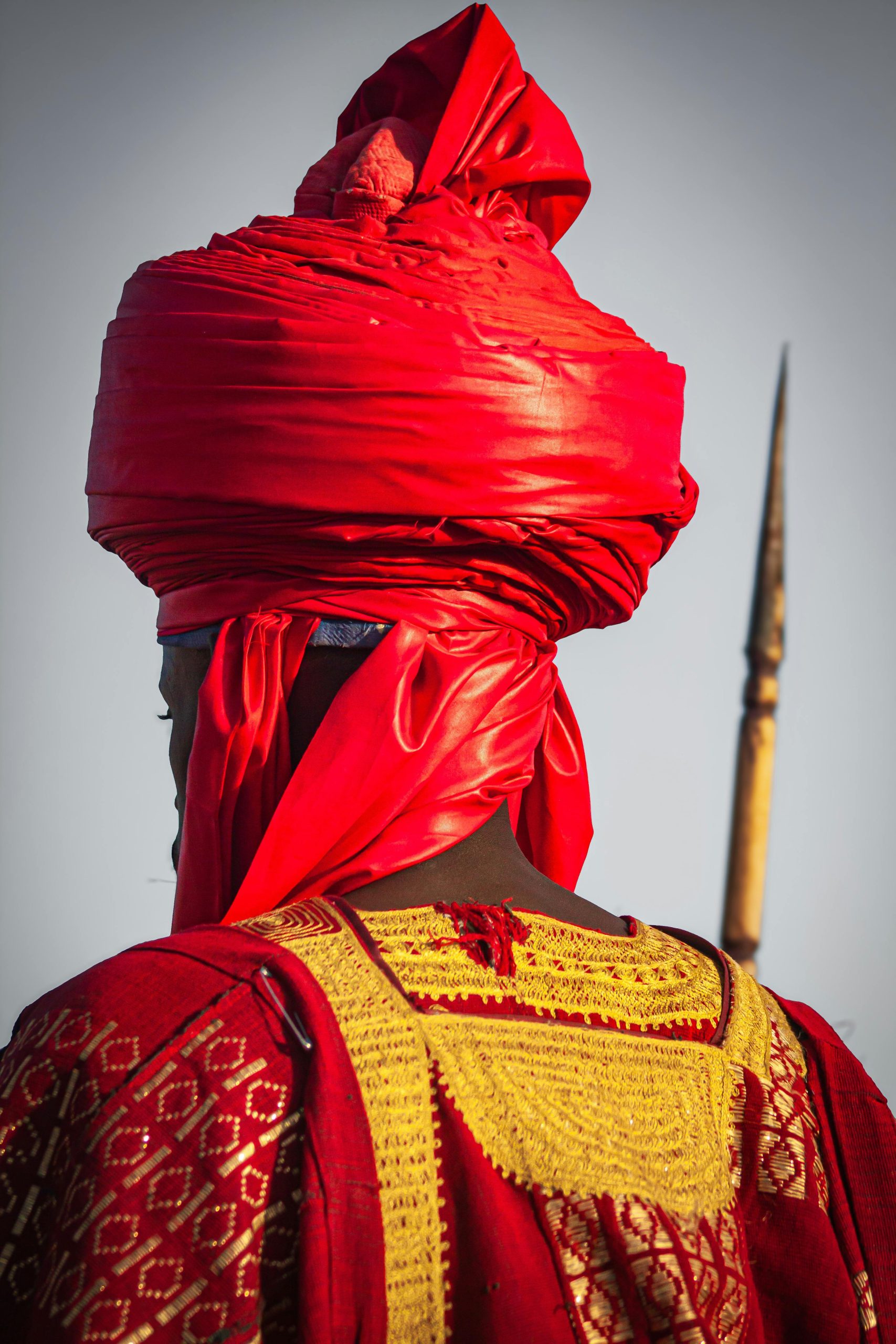
Migration has always carried more than people across borders—it carries faith, culture, identity, and hope. Across Africa, Islam has travelled with merchants, scholars, pilgrims, and migrants for centuries, shaping communities while adapting to new realities. Understanding the relationship between migration and religion reveals that human mobility is not only an economic or political phenomenon but also a profoundly spiritual journey that continues to redefine Africa and its place in the world.
Politics
The Basket She Carries
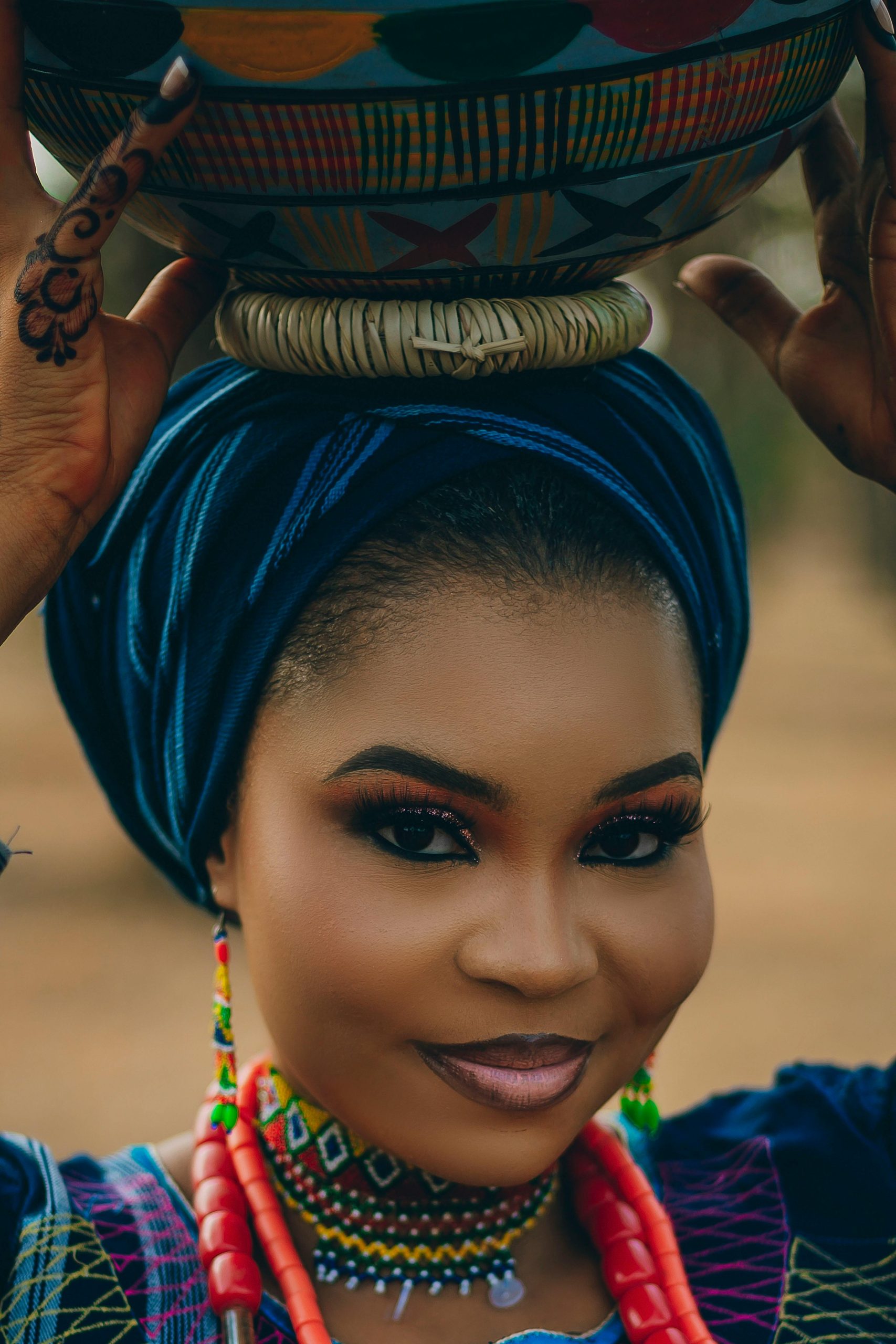
She carries more than a basket. She carries generations of heritage, the weight of economic realities, and the hope of a better future. Through her story, we begin to reframe Africa’s migration story—from one defined by hardship to one shaped by resilience, dignity, and possibility.
The Basket She Carries
She walks with quiet confidence along a dusty village path. Around her neck rests a string of colourful beads—red, blue, white, and amber—each one carrying a story of ancestry, identity, and belonging. Balanced gracefully on her head is a woven basket, handcrafted by generations before her. To an unfamiliar observer, she may seem like a symbol of Africa’s past. In reality, she represents Africa’s present—and its future.
The basket she carries is more than a container. It holds the harvest of her labour, the hopes of her family, and the resilience of her community. Like millions of African women, she rises before dawn, tending fields, running small businesses, caring for children, and sustaining local economies. Across the continent, women remain the backbone of agriculture, informal trade, and family life, often contributing significantly to household incomes while facing limited access to land, finance, healthcare, education, and decision-making opportunities.
The beads around her neck tell another story. In many African cultures, beads signify identity, heritage, womanhood, and community. They are reminders that Africa possesses rich histories and vibrant cultures that have endured despite centuries of colonialism, conflict, and economic hardship. Yet these symbols of identity also travel far beyond the continent. African migrants carry their cultures with them—not only in beads and baskets, but in languages, music, cuisine, traditions, and values that enrich societies around the world.
For many, however, migration is not simply a choice; it is shaped by circumstance. Economic inequality, unemployment, climate change, political instability, insecurity, and limited opportunities compel many Africans to seek livelihoods elsewhere. The woman carrying the basket could easily become tomorrow’s migrant—crossing borders not because she wishes to abandon her home, but because she seeks education for her children, security for her family, or dignified work.
Too often, global conversations portray African migration through the narrow lenses of crisis, irregular movement, or humanitarian emergencies. Such narratives overlook the millions of African migrants who contribute positively to host societies as entrepreneurs, healthcare workers, academics, innovators, students, artists, and skilled professionals. They also overlook the families and communities left behind, whose lives are sustained through remittances, knowledge exchange, investment, and enduring social ties.
The basket, therefore, becomes a powerful metaphor. It represents the burdens that many Africans carry, but also the opportunities they create. It reminds us that migration is not merely the movement of people across borders; it is the movement of skills, ideas, cultures, aspirations, and hope. Migration can be both a response to structural challenges and a catalyst for development when supported by sound policies and inclusive institutions.
The woman with the beads and the basket invites us to see Africa differently. She is neither a victim nor a stereotype. She is a farmer, an entrepreneur, a mother, a cultural ambassador, and perhaps a future migrant whose journey will connect villages to cities and continents to one another. Her story reflects the complexity of African migration—deeply rooted in place, yet open to the world.
To reframe Africa’s migration story is to begin with her. It is to recognise that behind every migration statistic is a human being carrying not only a basket of necessities but also a lifetime of dreams, resilience, identity, and possibility. In understanding her journey, we begin to understand Africa itself: a continent whose greatest resource is not simply what it exports, but the people who carry its stories wherever they go.
Politics
Adorned in Heritage: The Beauty of the African Woman and the Journey of Culture
Her beauty is not defined by fashion alone, but by the stories she wears. The beads around her neck, the earrings crafted by skilled hands, and the traditional garments that drape her with elegance are symbols of a rich cultural heritage. Wherever African women journey, they carry more than beauty—they carry the history, identity, and dignity of a continent.



Wings Across Borders: Migration, Resilience, and the Search for Belonging

Weaving Futures: African Women, Tradition, and the Threads of Migration

The Young of Monkeys: Lessons for African Migration and Human Adaptation

-
 Stories4 months ago
Lines of Identity: The Story Behind African Tribal Mark
-
 Culture4 months ago
Knowledge Without Borders: African Scholar Migration in a Changing World
-
 Stories4 months ago
The Heart of Community: Zambia’s Traditional Marketplace and the Spirit of Enterprise
-
 Culture4 months ago
The Wisdom of the Elders: African Proverbs, Parables, and the Art of Guiding the Next Generation
-
 News4 months ago
Woven with Pride: Ghana’s Kente Cloth, Beads, and the Story of Cultural Identity
-

 Culture4 months ago
The Mammoth’s Legacy: What an Extinct Giant Teaches Us About Africa and Migration
-
 Culture4 months ago
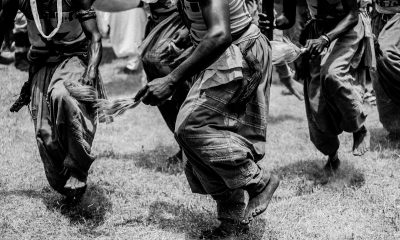
When Africa Dances: Rhythm, Identity, and the Journey of a People
-

 Awards4 months ago
Carved Beauty: The African Woman in Sculpture and the Story of Heritage