
News
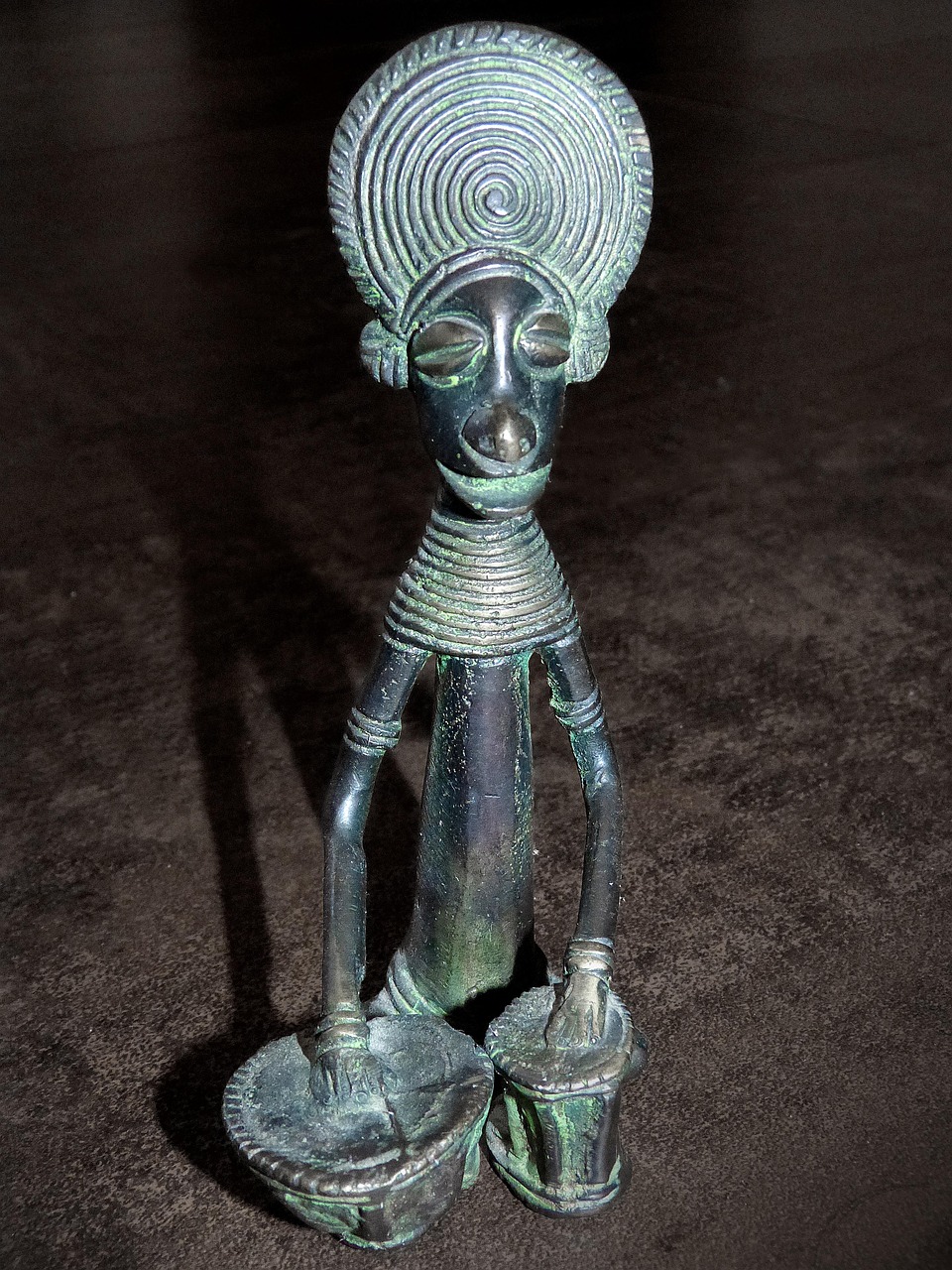
Carved in Time: African Figurines and the Stories They Tell
An African figurine is more than a carved piece of wood, bronze, clay, or stone. It is a storyteller without words, preserving centuries of history, belief, artistry, and identity. Every figure represents a people, a tradition, and a way of understanding the world, reminding us that Africa’s cultural heritage is among humanity’s greatest treasures.









News
Guardians of Tradition: Indigenous African Communities and the Story of Human Migration
To some, they appear untouched by modernity. Yet Africa’s Indigenous communities are not relics of the past—they are living custodians of knowledge, culture, and resilience. Their traditions remind us that the history of migration is not only about leaving home, but also about preserving identity while adapting to an ever-changing world.
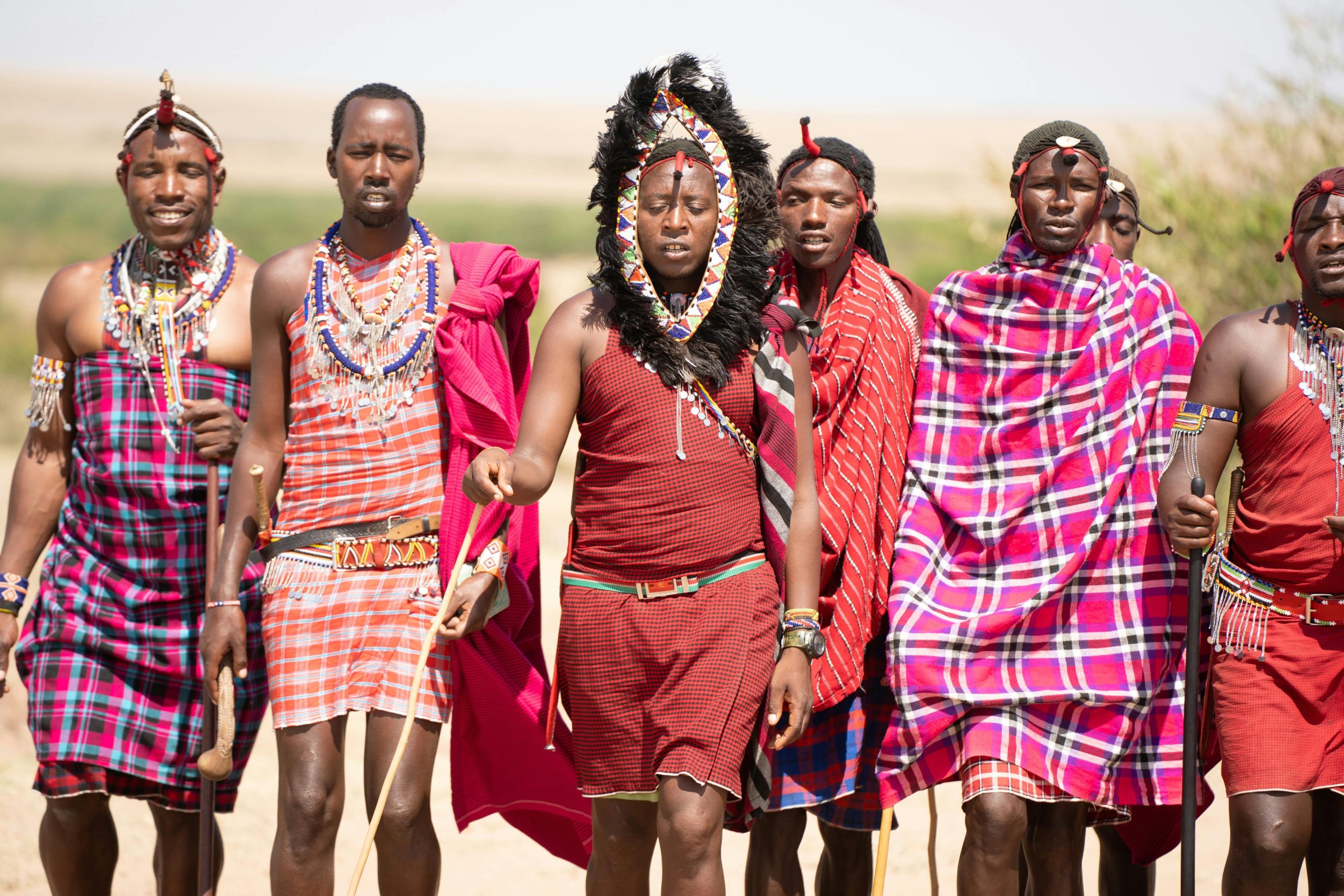
Across the forests, savannahs, deserts, and mountains of Africa live communities whose ways of life have been shaped over centuries by intimate relationships with nature. Their clothing, jewellery, body adornment, music, languages, and traditional knowledge reflect remarkable cultural diversity and demonstrate how human societies have adapted to different environments. Far from being frozen in time, these communities continue to preserve cultural traditions while navigating the challenges of an increasingly globalised world.
Many Indigenous African communities have historically lived close to the natural environment. Forests, rivers, grasslands, and deserts have provided food, medicine, shelter, and spiritual meaning. Hunting, gathering, pastoralism, fishing, and small-scale agriculture have sustained communities for generations. Their knowledge of wildlife, medicinal plants, seasonal changes, and ecological balance represents a sophisticated understanding of the environments in which they live.
Traditional clothing reflects this deep connection with place. Depending on climate and available materials, garments have been crafted from animal hides, woven fibres, bark cloth, leather, cotton, and locally produced textiles. Clothing is not merely functional; it often communicates age, marital status, social position, and cultural identity.
Women, in particular, have long played an important role in preserving cultural traditions through adornment. Necklaces of colourful beads, bracelets, anklets, earrings, and intricate hairstyles often carry symbolic meaning. In many societies, beadwork represents beauty, identity, family heritage, or important stages of life. The colours and patterns may communicate messages understood within the community, transforming jewellery into a visual language passed from one generation to another.
Body adornment has also been an important cultural practice. Ear piercing, lip ornaments, scarification, tattoos, and other forms of body decoration have been used in some African societies to mark adulthood, courage, social belonging, marriage, or spiritual beliefs. While these customs may appear unfamiliar to outsiders, they reflect complex cultural traditions and should be understood within their historical and social contexts rather than judged by contemporary standards.
The walking stick often carried by elders, pastoralists, or hunters represents more than a practical tool. It provides support during long journeys, assists in herding livestock, offers protection in the wilderness, and frequently symbolises wisdom, authority, or leadership within the community. Across many African cultures, such objects carry meanings that extend beyond their everyday use.
These communities also tell an important story about migration. Human history in Africa has always been characterised by movement. Communities migrated in response to changing climates, water availability, trade opportunities, conflict, and the search for fertile land. Some became pastoralists following seasonal grazing routes, while others settled in forests or along rivers where natural resources were abundant. Mobility was not a sign of instability but an effective strategy for survival and adaptation.
Anthropologists widely recognise Africa as the birthplace of modern humans. The earliest human migrations began on this continent before spreading across the globe. In this sense, every migration story ultimately traces its roots back to Africa. The cultural diversity visible among Africa’s Indigenous peoples reflects thousands of years of adaptation, interaction, and movement rather than isolation.
Today, many Indigenous communities face new challenges. Climate change, deforestation, land degradation, mining, infrastructure development, urbanisation, and changing economic opportunities continue to transform traditional ways of life. Younger generations increasingly move to towns and cities in search of education and employment while maintaining connections to their cultural heritage. Migration has become both an opportunity and a challenge as communities balance economic aspirations with the preservation of language, identity, and tradition.
These experiences challenge common misconceptions about migration. Migration does not necessarily erase culture. Instead, people often carry their traditions with them. Beadwork appears in diaspora communities. Traditional dances are performed at international festivals. Indigenous languages are spoken in homes thousands of kilometres from ancestral lands. Cultural identity evolves without disappearing.
The story of Africa’s Indigenous communities therefore invites us to reconsider how we understand both history and migration. Their knowledge of nature demonstrates sustainability long before the modern environmental movement. Their artistic traditions reveal sophisticated systems of communication and identity. Their histories remind us that movement and adaptation have always been central to human survival.
Reframing Africa’s migration story requires looking beyond stereotypes. The image of a woman adorned with beads or an elder carrying a carved walking stick should not be interpreted as evidence of a continent trapped in the past. Instead, these symbols represent continuity, resilience, and cultural confidence. They remind us that Africa’s greatest strength lies in its extraordinary diversity and its ability to preserve identity while embracing change.
Every bead tells a story. Every walking stick reflects a journey. Every traditional garment carries the memory of generations. Together, they remind us that Africa’s history is not simply the story of where its people have travelled, but of the rich cultures they have carried with them across landscapes, borders, and centuries.
News
Running Beyond Borders: Africa’s Marathon Champions and the Story of Excellence
As he races towards the finish line, every stride reflects years of discipline, sacrifice, and determination. Africa’s long-distance runners have transformed international athletics, proving that greatness is not defined by where one comes from but by the courage to pursue excellence. Their victories have become powerful symbols of African resilience, inspiring generations across the world.

The image of an African runner crossing the finish line is more than a celebration of athletic achievement. It tells the story of perseverance, discipline, and hope. Every kilometre completed represents years of training before sunrise, countless sacrifices, and an unwavering belief that excellence is possible. Across the world, African runners have become synonymous with endurance, determination, and sporting greatness.
Few regions have influenced international distance running as profoundly as Africa. Countries such as Kenya, Ethiopia, Uganda, Morocco, South Africa, Eritrea, and Tanzania have consistently produced world-class athletes who have dominated Olympic Games, World Athletics Championships, and major city marathons.
The achievements of African runners are remarkable. They have won countless Olympic medals, broken world records, and stood atop the podiums of the world’s most prestigious marathons, including those in Boston, London, Berlin, Chicago, New York, and Tokyo. These victories have inspired millions and demonstrated that Africa is not merely participating in world sport—it is helping define it.
The story behind this success extends beyond natural talent. While high-altitude environments in countries such as Kenya and Ethiopia are often mentioned as one factor, they tell only part of the story. Success is built through years of disciplined training, strong coaching, supportive communities, and an extraordinary commitment to hard work. Many young athletes train before dawn, balancing education, family responsibilities, and athletic ambition with remarkable determination.
Running has also become a pathway to opportunity. For many athletes, success in international competitions provides the means to support parents, educate siblings, establish businesses, and invest in their communities. Prize money and sponsorships have enabled many runners to build schools, health centres, roads, and community projects that benefit future generations. Their achievements therefore extend well beyond sport.
Migration has played an important role in this journey.
African athletes travel across continents to compete in international races, train with global teams, and share their expertise with athletes from other countries. Some establish coaching academies abroad, while others mentor young runners across Africa. Their movement illustrates that migration is not simply about changing residence—it is also about exchanging knowledge, building partnerships, and inspiring excellence.
African runners have also reshaped how the world sees the continent. Their victories challenge outdated stereotypes that too often portray Africa only through the lens of conflict or poverty. Instead, they present a different narrative—one of discipline, professionalism, achievement, and global leadership.
The marathon itself offers a powerful metaphor for migration.
Both are journeys that require endurance rather than speed. Success is rarely achieved overnight. Progress comes through careful preparation, resilience in the face of setbacks, and the determination to keep moving forward even when the path becomes difficult. Like a marathon runner who must remain focused over forty-two kilometres, migrants often navigate long journeys filled with uncertainty, sacrifice, and hope before reaching their goals.
There is another important lesson in the image of an African runner. Victory is never achieved alone. Behind every successful athlete stands a family that encouraged them, coaches who believed in them, communities that celebrated them, and nations that inspired them. Individual success often reflects collective support, reminding us that achievement grows strongest when people invest in one another.
The world has much to learn from Africa’s marathon champions.
The first lesson is discipline. Greatness is built through consistent effort, not momentary brilliance.
The second lesson is resilience. Every champion has experienced setbacks, injuries, disappointments, and defeats. Success belongs to those who continue despite adversity.
The third lesson is humility. Many African athletes remain deeply connected to their communities, remembering the people and places that shaped them long before international recognition arrived.
The fourth lesson is the power of opportunity. When young people are given access to quality coaching, education, healthcare, and supportive environments, they can compete with—and often surpass—the very best in the world.
Reframing Africa’s migration story means recognising that Africans travel not only as workers, students, or entrepreneurs, but also as ambassadors of excellence. Through sport, they build friendships across nations, inspire future generations, and demonstrate that talent can emerge from every corner of the continent.
Every race won carries a deeper meaning. It tells a young African child that dreams are worth pursuing. It reminds the world that excellence knows no borders. And it affirms that Africa’s greatest strength is not only its natural beauty or abundant resources but the determination and character of its people.
Every stride reflects perseverance. Every finish line celebrates sacrifice. Every medal honours a journey that began with a dream.
To reframe Africa’s migration story is to recognise that wherever African athletes compete, they carry more than a national flag. They carry the hopes of a continent, proving that resilience, discipline, and excellence can inspire the world one step at a time.
News
Pillars of Civilization: The Timeless Majesty of Karnak Temple, Egypt
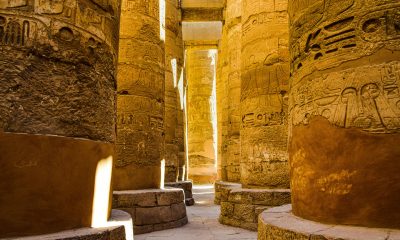
Bathed in the golden light of the Egyptian sun, the towering columns of Karnak Temple stand as silent witnesses to more than three thousand years of history. They remind the world that Africa is home to one of humanity’s greatest civilizations—a continent whose achievements in architecture, engineering, religion, and scholarship continue to inspire generations.
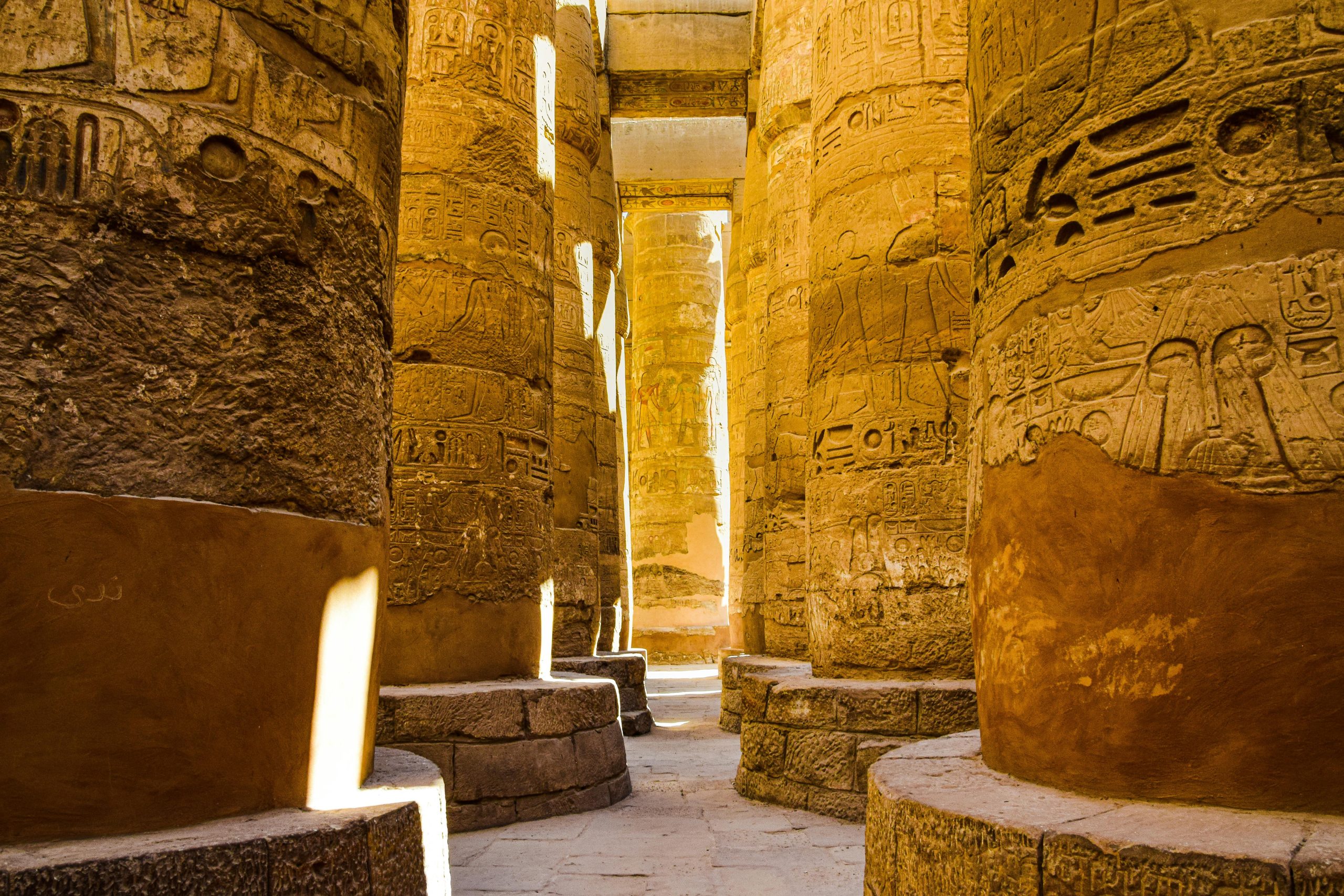
As the morning sun illuminates the towering stone columns of the Karnak Temple Complex in Luxor, Egypt, visitors are greeted by one of the most extraordinary architectural achievements in human history. Massive pillars, intricately carved with hieroglyphics and sacred symbols, stretch toward the sky, creating a breathtaking avenue through time. Every stone reflects the ingenuity, faith, and artistic excellence of one of Africa’s greatest civilizations.
The Karnak Temple Complex is not simply an ancient monument; it is a living testament to Africa’s remarkable contribution to world history. Constructed and expanded over nearly two thousand years by successive Egyptian pharaohs, Karnak became one of the largest religious complexes ever built. Dedicated primarily to Amun-Ra, the king of the Egyptian gods, it served as the spiritual heart of ancient Egypt and a centre of political authority, ceremonial life, and architectural innovation.
The famous Great Hypostyle Hall is among Karnak’s most impressive features. Hundreds of enormous sandstone columns rise high above visitors, many decorated with finely carved hieroglyphs that recount the achievements of kings, religious ceremonies, and historical events. Walking through these columns evokes a profound sense of wonder, reminding us that ancient African engineers achieved extraordinary feats long before modern construction technology existed.
Karnak also challenges many misconceptions about Africa. Too often, discussions about the continent focus only on contemporary challenges while overlooking its foundational role in the development of human civilization. Ancient Egypt was a centre of mathematics, astronomy, engineering, architecture, medicine, writing, and administration. Its achievements influenced neighbouring societies and continue to fascinate historians, archaeologists, and scholars around the world.
The temple reflects the sophistication of ancient African craftsmanship. Every carved inscription required skilled artisans who transformed stone into historical records. These carvings preserve the beliefs, political events, religious ceremonies, and artistic traditions of one of history’s most influential civilizations. Long before printing presses or digital archives, these walls became enduring libraries carved in stone.
Karnak was also a place of movement. Pilgrims, merchants, diplomats, priests, scholars, and travellers visited the temple from different regions of Africa and the ancient world. The Nile River connected Egypt with Nubia and other African kingdoms to the south while linking it to the Mediterranean world in the north. These exchanges facilitated trade, diplomacy, cultural interaction, and the movement of ideas across continents.
This history reminds us that migration is not a modern phenomenon. Africa has long been a continent of movement, exchange, and cultural interaction. Ancient trade routes, river systems, and caravan networks connected diverse peoples, enabling the flow of knowledge, technology, religion, and commerce. Karnak stands as a symbol of these centuries of connection.
The temple also teaches the importance of preserving heritage. Despite the passage of millennia, wars, changing rulers, and environmental challenges, much of Karnak still stands. Ongoing archaeological research and conservation efforts continue to reveal new insights into ancient Egyptian society, ensuring that future generations can appreciate this extraordinary legacy.
For Africans living across the world, monuments such as Karnak represent a source of pride. They remind the global community that Africa is not merely the birthplace of humanity but also the birthplace of some of the world’s earliest centres of organised government, monumental architecture, scientific inquiry, and artistic excellence.
The world has much to learn from Karnak Temple.
The first lesson is the importance of preserving history. Civilizations leave behind monuments that help future generations understand their achievements, beliefs, and values.
The second lesson is the power of human creativity. Without modern machinery, ancient Egyptian architects and engineers designed structures that continue to inspire awe thousands of years later.
The third lesson is the value of knowledge. The inscriptions carved into Karnak’s walls demonstrate a commitment to recording history, religion, and culture for future generations.
Finally, Karnak reminds us that Africa’s history is central to world history. The continent’s civilizations helped shape the development of architecture, governance, religion, art, and science in ways that continue to influence humanity today.
Reframing Africa’s migration story means recognising that Africa has always been a continent of ideas, innovation, and cultural exchange. Long before modern borders existed, Egypt welcomed travellers, traders, and scholars whose journeys contributed to the growth of one of the world’s greatest civilizations.
Every column reflects extraordinary craftsmanship. Every hieroglyph preserves a chapter of history. Every sunrise over Karnak celebrates the enduring legacy of Africa’s ancient civilizations.
The Karnak Temple Complex is more than an archaeological treasure—it is a monument to Africa’s intellectual, artistic, and architectural achievements. It reminds the world that the story of human civilization cannot be fully told without recognising the profound contributions of ancient Africa, whose legacy continues to stand proudly beneath the Egyptian sun.


Wings Across Borders: Migration, Resilience, and the Search for Belonging

Weaving Futures: African Women, Tradition, and the Threads of Migration

The Young of Monkeys: Lessons for African Migration and Human Adaptation

-
 Stories4 months ago
Lines of Identity: The Story Behind African Tribal Mark
-

 Culture4 months ago
Knowledge Without Borders: African Scholar Migration in a Changing World
-
 Stories4 months ago
The Heart of Community: Zambia’s Traditional Marketplace and the Spirit of Enterprise
-
 Culture4 months ago
The Wisdom of the Elders: African Proverbs, Parables, and the Art of Guiding the Next Generation
-
 News4 months ago
Woven with Pride: Ghana’s Kente Cloth, Beads, and the Story of Cultural Identity
-

 Culture4 months ago
The Mammoth’s Legacy: What an Extinct Giant Teaches Us About Africa and Migration
-
 Culture4 months ago
When Africa Dances: Rhythm, Identity, and the Journey of a People
-

 Awards4 months ago
Carved Beauty: The African Woman in Sculpture and the Story of Heritage