
Essays
Guardians of Tradition: The Samburu Moran and the Living Heritage of Kenya
Standing proudly in brilliant beadwork, colourful feathers, and traditional attire, the Samburu moran represents more than a warrior. He embodies courage, cultural identity, and a living tradition that has endured for centuries. His presence reminds the world that Africa’s heritage is not confined to museums—it continues to thrive through the people who preserve it.

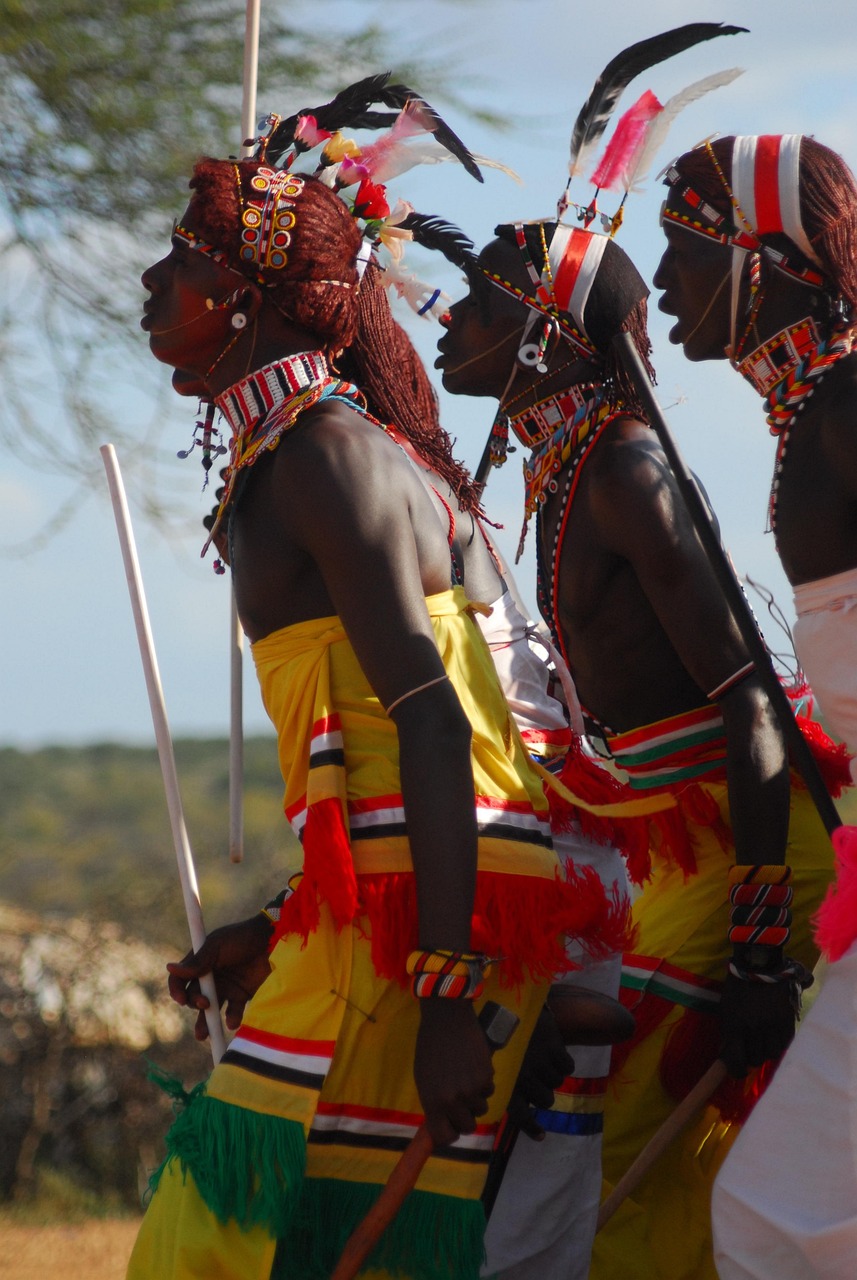
Against the breathtaking landscapes of northern Kenya stands a Samburu moran, dressed in vibrant traditional clothing adorned with colourful beads and feathers. His appearance is striking, yet every detail carries meaning. The intricate beadwork, the carefully arranged ornaments, and the ceremonial attire reflect a cultural heritage that has been preserved through generations. To many visitors, he may appear simply as a warrior in traditional dress. To the Samburu people, however, he represents identity, responsibility, and the continuity of a proud way of life.
The Samburu are a pastoral community living primarily in northern Kenya. Closely related to the Maasai, they have maintained many of their traditional customs while adapting to the realities of the modern world. Cattle remain central to their economy and culture, symbolising wealth, family, and social responsibility. Their deep connection with the land has shaped a way of life based on resilience, cooperation, and respect for nature.
One of the most recognised figures within Samburu society is the moran, or warrior. Traditionally, young men entered this stage of life through important initiation ceremonies that marked their transition into adulthood. Becoming a moran was not simply about learning to defend the community. It also meant accepting new responsibilities, demonstrating discipline, protecting livestock, and serving the wider community with honour and integrity.
The moran’s appearance is rich in symbolism. Colourful bead necklaces, bracelets, earrings, and decorative ornaments are not merely attractive accessories; they express cultural identity, craftsmanship, and social belonging. Among the Samburu, beadwork is an important artistic tradition, with different colours often carrying symbolic meanings. While interpretations can vary, red is frequently associated with courage and unity, white with peace and purity, green with the land and life, and blue with the sky and the importance of rain to pastoral communities.
Feathers worn during ceremonies also have cultural significance. They may represent honour, achievement, or participation in important community events. During celebrations, songs, dances, and traditional attire come together to strengthen community identity and pass cultural knowledge from one generation to the next.
Ceremonies occupy an important place in Samburu life. They celebrate milestones such as initiation, marriage, and community gatherings. These occasions bring families together, reinforcing relationships and preserving customs through music, storytelling, dance, and shared meals. They remind younger generations of their heritage while strengthening social bonds across the community.
Like many Indigenous communities across Africa, the Samburu have experienced change. Education, urbanisation, tourism, conservation efforts, and economic development have introduced new opportunities and new challenges. Many Samburu people now combine traditional practices with modern education, business, and professional careers. Their story illustrates that cultural heritage and modern life can coexist rather than compete.
Migration has also become part of this evolving story. Samburu men and women increasingly pursue education and employment in Kenyan cities and abroad while maintaining connections with their communities. They carry their cultural identity with them through language, traditions, ceremonies, and artistic expression, demonstrating that heritage can travel across borders without losing its meaning.
The world has much to learn from the Samburu people.
The first lesson is the importance of identity. Traditional clothing, beadwork, and ceremonies remind us that culture provides people with a sense of belonging and continuity.
The second lesson is respect for community. The role of the moran has traditionally emphasised responsibility, service, and the protection of others rather than personal recognition alone.
The third lesson is the value of preserving Indigenous knowledge. The Samburu’s understanding of livestock management, the environment, traditional craftsmanship, and community organisation reflects generations of experience that continue to offer valuable insights today.
Finally, the Samburu remind us that culture is living. Traditions survive because people continue to practise them, adapt them, and pass them to future generations. Preservation does not mean remaining unchanged; it means ensuring that heritage remains meaningful in changing times.
Reframing Africa’s migration story means recognising that Africa’s cultural diversity is one of its greatest strengths. The Samburu moran is not simply a symbol of the past but a representative of a living culture that continues to contribute to Kenya’s identity and to the world’s appreciation of African heritage.
Every bead tells a story. Every feather honours a tradition. Every ceremony strengthens a community.
The Samburu moran reminds us that Africa’s greatest treasures are not only its landscapes or wildlife but also its people and their enduring cultures. Their traditions speak of courage, responsibility, creativity, and resilience—values that continue to inspire generations within Africa and around the world.



Essays
The Young of Monkeys: Lessons for African Migration and Human Adaptation
The lives of young monkeys offer a powerful reflection on African migration, revealing how movement, learning, and survival are shaped by strong social bonds, adaptability, and the continuous search for safety and belonging
Essays
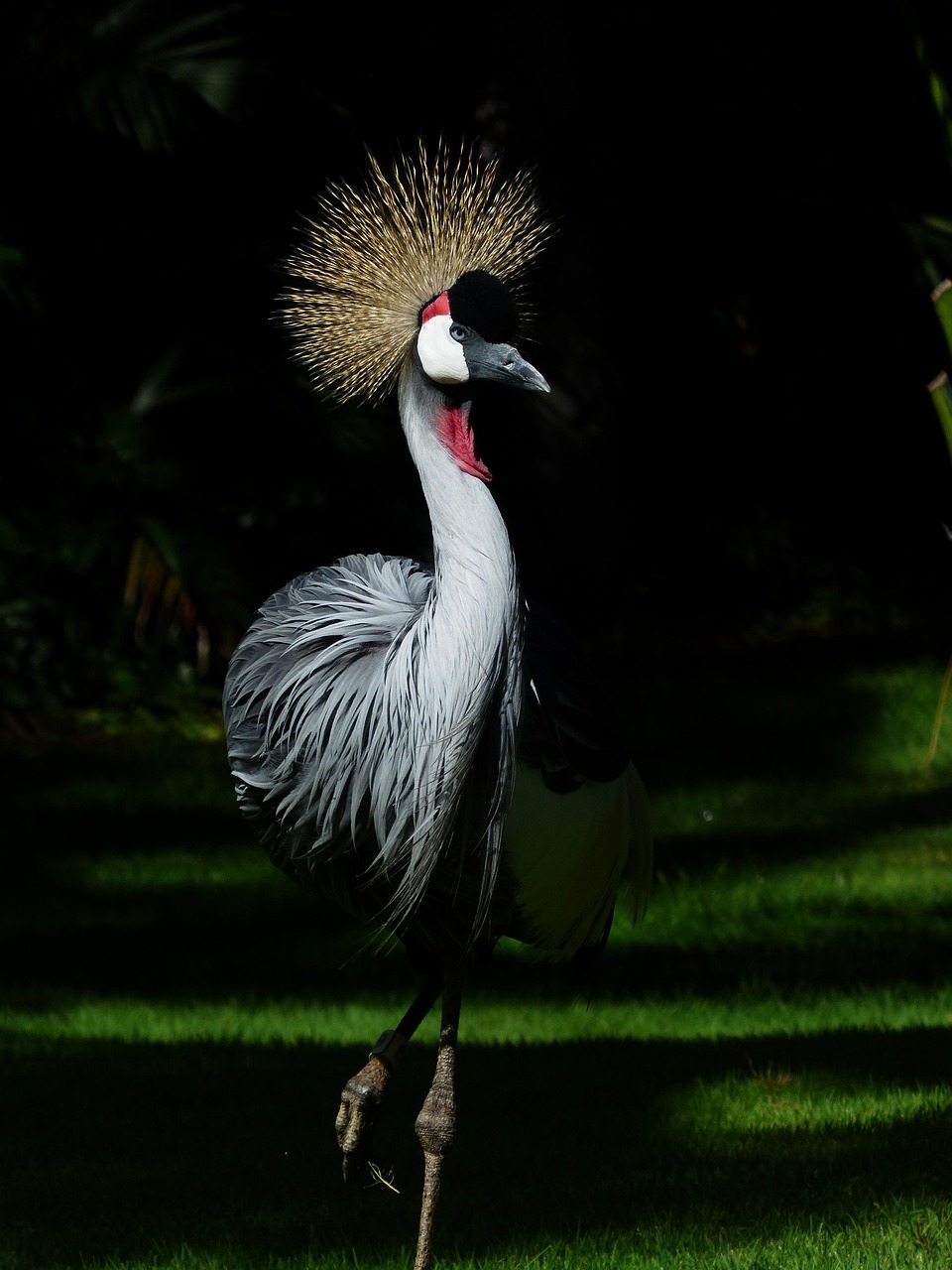
Wings Across Borders: Migration, Resilience, and the Search for Belonging
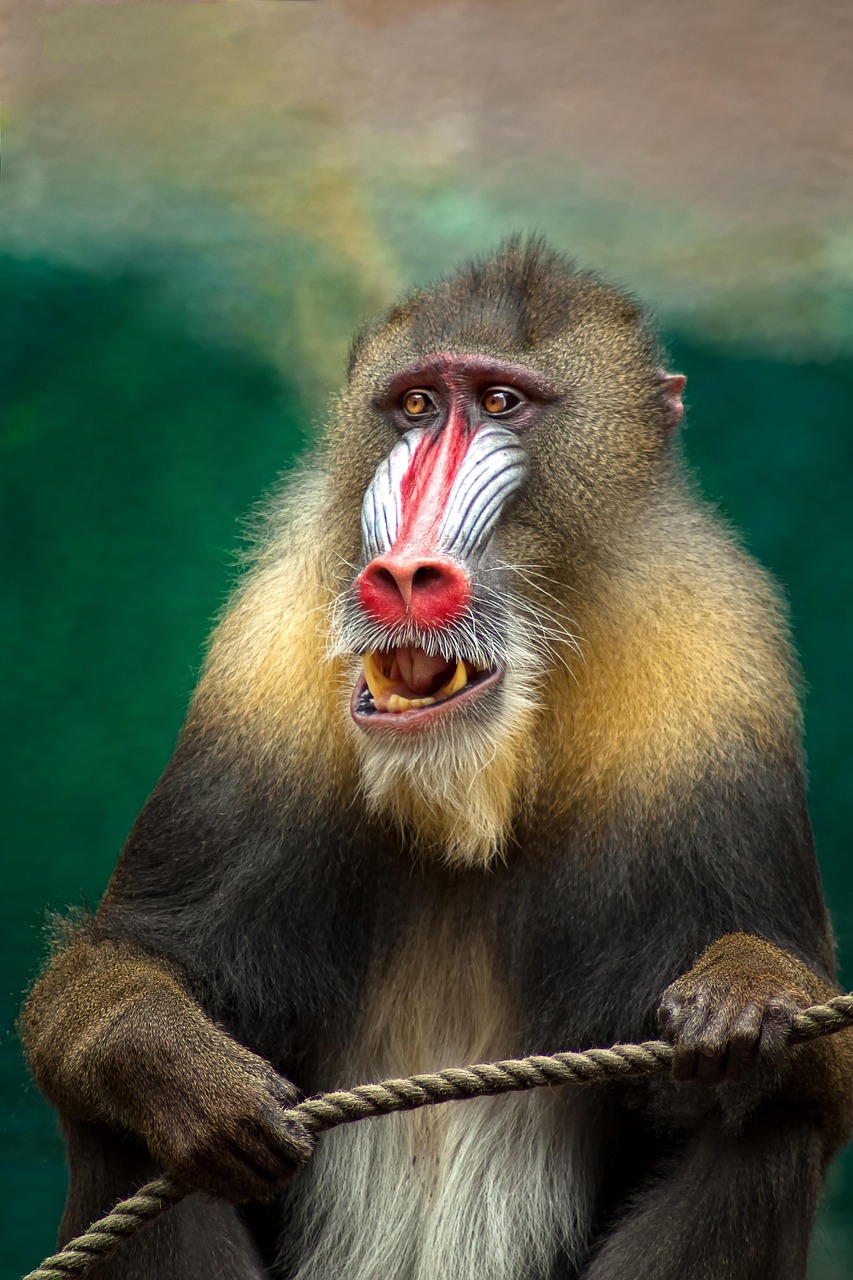
Like birds crossing borders without barriers, migration reflects humanity’s enduring search for safety, opportunity, and belonging
Essays
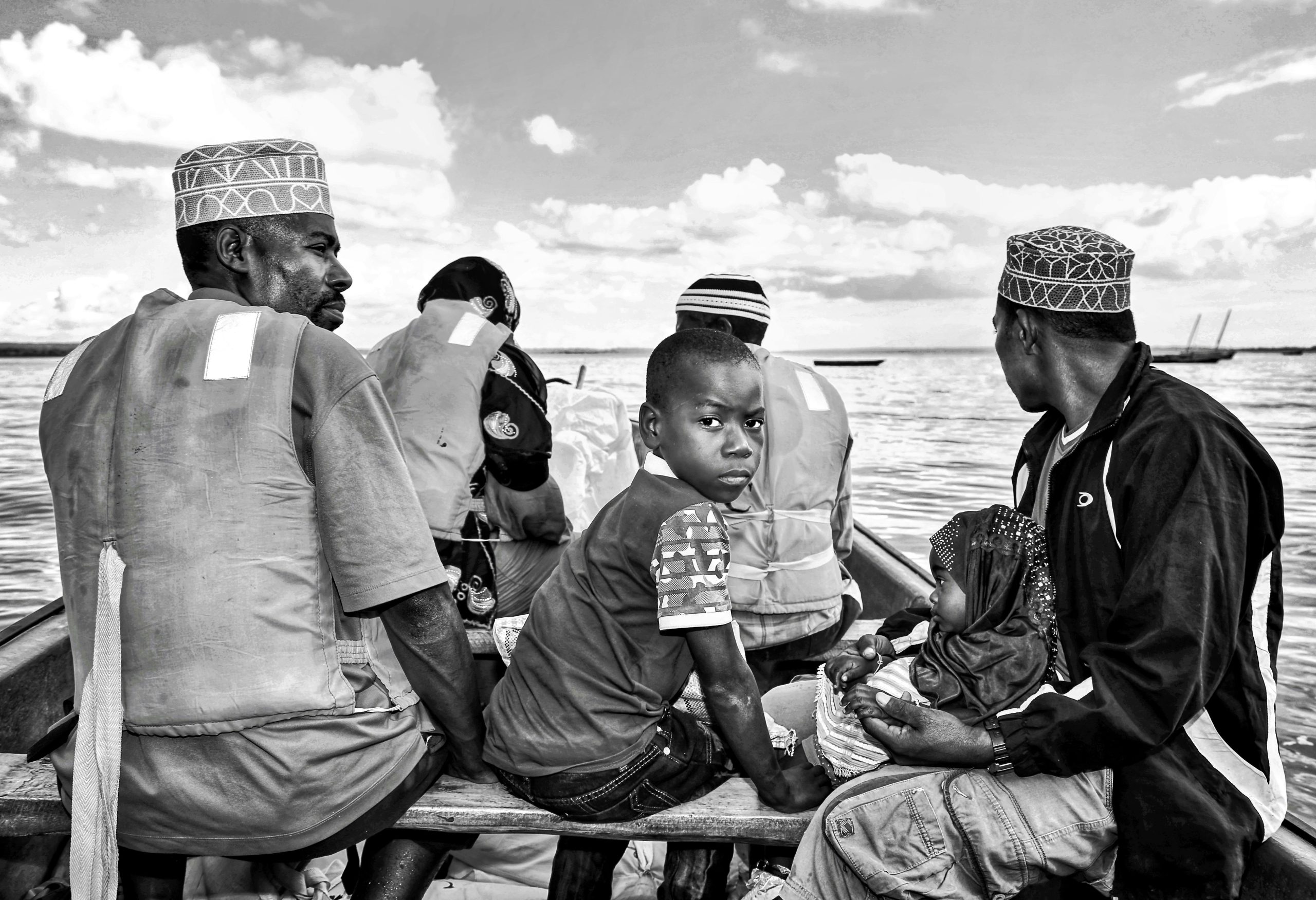
Across the Waters: Canoes, Courage, and Africa’s Migration Story
Long before roads, railways, and airports connected Africa, rivers, lakes, and coastlines served as the continent’s first highways. A canoe carrying young men across the water is more than a means of transport—it is a symbol of courage, survival, trade, and the enduring human desire to seek opportunity. Africa’s migration story has always been written not only on land, but also across its waters.


Wings Across Borders: Migration, Resilience, and the Search for Belonging

Weaving Futures: African Women, Tradition, and the Threads of Migration

The Young of Monkeys: Lessons for African Migration and Human Adaptation

-
 Stories4 months ago
Lines of Identity: The Story Behind African Tribal Mark
-

 Culture4 months ago
Knowledge Without Borders: African Scholar Migration in a Changing World
-
 Stories4 months ago
The Heart of Community: Zambia’s Traditional Marketplace and the Spirit of Enterprise
-
 Culture4 months ago
The Wisdom of the Elders: African Proverbs, Parables, and the Art of Guiding the Next Generation
-
 News4 months ago
Woven with Pride: Ghana’s Kente Cloth, Beads, and the Story of Cultural Identity
-

 Culture4 months ago
The Mammoth’s Legacy: What an Extinct Giant Teaches Us About Africa and Migration
-
 Culture4 months ago
When Africa Dances: Rhythm, Identity, and the Journey of a People
-

 Awards4 months ago
Carved Beauty: The African Woman in Sculpture and the Story of Heritage