
Uncategorized
Hello world!

Welcome to WordPress. This is your first post. Edit or delete it, then start writing!

Uncategorized
The Language of Movement: African Dance, Body Art, and the Story of Identity
Her feet move confidently to the rhythm of the drums, while intricate body paint and traditional adornments reflect centuries of cultural expression. To many observers, it is simply a dance. To her community, however, every movement, colour, and pattern tells a story of identity, celebration, and belonging. African dance is not merely entertainment—it is a language through which history, culture, and community come alive.
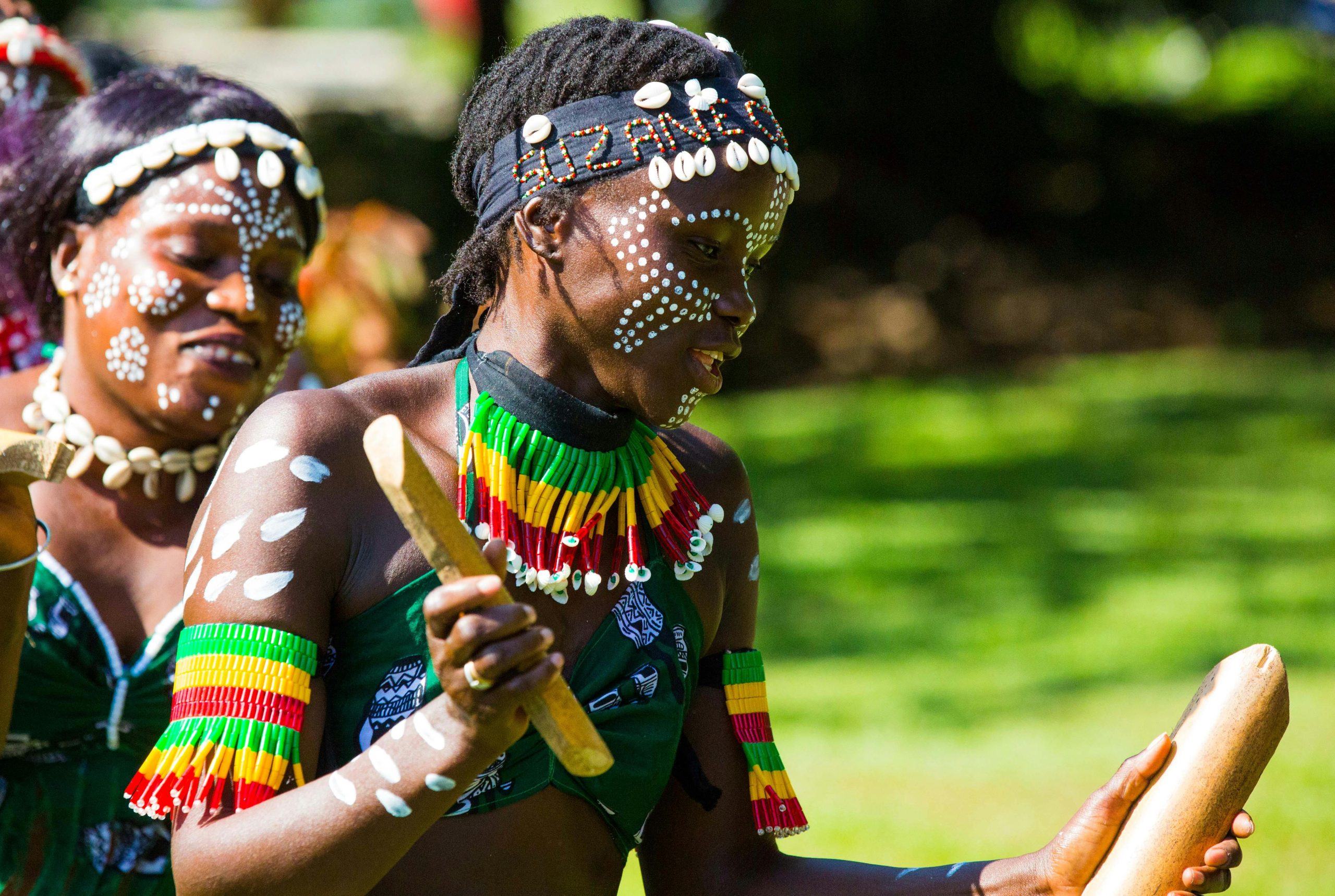
A young African woman dances with energy and grace. The rhythm of the drums guides every step as her body moves in harmony with the music. Her skin is decorated with carefully painted patterns, and her traditional attire reflects the artistry of her community. Her smile, posture, and movement tell a story that words alone cannot express.
For many people outside Africa, such a performance may simply appear colourful and entertaining. Yet behind every dance step and every painted design lies a rich cultural tradition shaped over centuries. African dance is one of the continent’s oldest forms of storytelling, preserving history, celebrating life, and strengthening communities.
Across Africa’s more than 3,000 ethnic groups, dance traditions are extraordinarily diverse. Every region has developed its own rhythms, movements, costumes, and ceremonies. While styles differ widely, many dances share a common purpose: they communicate meaning. Dance celebrates births, marriages, harvests, victories, religious ceremonies, community festivals, and rites of passage. It can also express grief, gratitude, unity, or hope.
The movements themselves often carry symbolic meaning. Some dances imitate the graceful movements of animals, reflecting humanity’s close relationship with nature. Others celebrate courage, fertility, cooperation, or community. Certain dances involve coordinated group movements that symbolise unity, while others allow individual performers to express creativity and confidence. The exact meanings vary from one culture to another, reminding us that Africa is not a single culture but a continent of remarkable diversity.
The body paint worn by the young woman is equally meaningful. Across many African communities, natural pigments made from clay, charcoal, ash, chalk, or plant-based dyes have traditionally been used to decorate the body during ceremonies and celebrations. The patterns may represent beauty, identity, celebration, spirituality, or community belonging. In some cultures, body painting marks important life events or festivals; in others, it is associated with artistic expression or ceremonial occasions.
These painted designs are not merely decorative. They transform the human body into a canvas that reflects cultural identity. Every line, shape, and colour tells part of a story, connecting the individual to family, community, and heritage.
Young women have always played an important role in preserving these traditions. Through dance, song, storytelling, and artistic expression, they help ensure that cultural knowledge is passed from one generation to the next. While traditions continue to evolve, many communities remain committed to teaching younger generations the dances and ceremonies that define their cultural heritage.
Migration has carried African dance and artistic traditions across the globe.
Today, African dance groups perform at international festivals, universities, cultural centres, and theatres around the world. African choreographers, musicians, and dancers have influenced global performing arts, while contemporary African dance continues to blend traditional rhythms with modern creativity. Young African women are increasingly becoming ambassadors of this cultural heritage, introducing audiences worldwide to the richness and diversity of African artistic traditions.
Body art has also inspired global fashion, visual arts, and performance. At the same time, it reminds us that cultural appreciation should be accompanied by understanding and respect. These artistic traditions are rooted in specific histories and communities, and recognising their origins honours the people who have preserved them.
The world has much to learn from this image.
First, dance is a language. It allows people to communicate joy, memory, identity, and belonging without speaking a single word.
Second, culture is living. Traditions survive because each generation learns, adapts, and shares them with others.
Third, women are essential custodians of cultural heritage. Through music, dance, art, and family life, African women have played a central role in preserving and transmitting the values and traditions that define their communities.
Finally, migration carries culture as well as people. Every African dancer performing abroad, every cultural festival held in the diaspora, and every traditional rhythm shared with a new audience demonstrates that migration enriches societies through cultural exchange.
The young woman dancing before us is not simply performing for entertainment. She is preserving a history that predates modern borders, carrying forward traditions that have united communities for generations, and inviting the world to appreciate Africa through its creativity rather than its stereotypes.
Every drumbeat echoes the past. Every dance step celebrates the present. Every painted pattern honours a community’s story.
To reframe Africa’s migration story is to recognise that Africa’s greatest journeys are not only made by people crossing borders but also by the cultures they carry with them. Through dance, music, and artistic expression, African women continue to share the beauty, diversity, and resilience of a continent whose stories deserve to be celebrated around the world.


Wings Across Borders: Migration, Resilience, and the Search for Belonging

Weaving Futures: African Women, Tradition, and the Threads of Migration

The Young of Monkeys: Lessons for African Migration and Human Adaptation

-
 Stories4 months ago
Lines of Identity: The Story Behind African Tribal Mark
-
 Culture4 months ago
Knowledge Without Borders: African Scholar Migration in a Changing World
-
 Stories4 months ago
The Heart of Community: Zambia’s Traditional Marketplace and the Spirit of Enterprise
-
 Culture4 months ago
The Wisdom of the Elders: African Proverbs, Parables, and the Art of Guiding the Next Generation
-
 News4 months ago
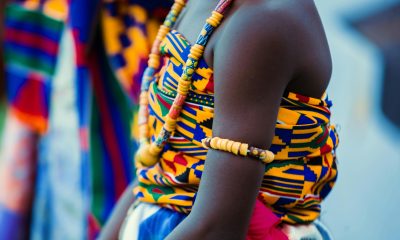
Woven with Pride: Ghana’s Kente Cloth, Beads, and the Story of Cultural Identity
-

 Culture4 months ago
The Mammoth’s Legacy: What an Extinct Giant Teaches Us About Africa and Migration
-
 Culture4 months ago
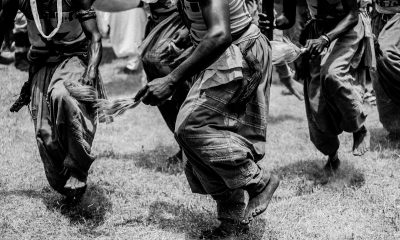
When Africa Dances: Rhythm, Identity, and the Journey of a People
-

 Awards4 months ago
Carved Beauty: The African Woman in Sculpture and the Story of Heritage
A WordPress Commenter
April 14, 2026 at 2:49 pm
Hi, this is a comment.
To get started with moderating, editing, and deleting comments, please visit the Comments screen in the dashboard.
Commenter avatars come from Gravatar.